“NONNA, WHAT IS SAINT PETER’S FIESTA” IS BACK IN STOCK AT THE BOOKSTORE OF GLOUCESTER!

Author Laura Ventimiglia shares that “The Bookstore of Gloucester has restocked Nonna, What is St. Peter’s Fiesta? Get your copy today & enjoy a piece of Fiesta. Viva!!!! Remember, all proceeds benefit St. Peter’s Fiesta, Inc, a 501c3 nonprofit.”

Charlotte has a new friend who recently moved to Gloucester and we gave her a copy for her birthday. This book is such a great way to explain Saint Peter’s Fiesta to folks old and young that are new to town.

A SECOND PIPING PLOVER NEST!

Good Morning from Plover Central!

I hope everyone saw the earlier email; all three are present and feeding in the wrack and at the flats. Mom is using her foot today but either there is a new piece of seaweed attached to the part that is still wrapped around her foot or the old piece is coming untangled (wouldn’t that be fantastic!). We’ll just keep monitoring her. I hope the family heads down to the Creek today.

In searching for the chick last night, I found a second nest, with three eggs. This is wonderful and exciting and also follows the behavior of several other pairs around the north shore whose nests were wiped out by that tide and are now renesting. This is a huge commitment on all our parts. Please let me know if you need to spend less time on the beach with our new soon to be chicks and we will try to work out a schedule suitable for everyone.

New nest at Salt island

After that king tide of May 29th wiped out the nest at the Salt Island side, I couldn’t locate the #1 pair and didn’t see any signs of renesting, and no signs of the very pale female. It was very surprising a few days ago to see theSalt Island pale Mom in the roped off area visiting at #3. The Salt Island Dad has been spotted frequently by all of us but I do not know when the first egg was laid therefore we don’t have a definite hatch day. I will try to figure out an approximate time frame and let everyone know. Joe and Dave have been alerted and hopefully the exclosure will go up tomorrow.

All that being said, this is going to be a tough one I think, hatching so late during the busiest part of the summer and so far away from the Creek. We’ll just do the very best we can.

Thanks so very much again to Jonathan, Duncan, and Duncan. The lanyard and badges are such a tremendous help!!!

Happy Sunday!
xxKim

OUR AWESOME NEW PIPING PLOVER AMBASSADOR BADGES!

Thank you Jonathan Golding, Duncan Todd, and Duncan Hollomon for the fantastic badges.

Demonstrated by the youngest member of Team Plover. Not easy getting a three-almost-four years-old to model! The words on the flip side read Federal and State Threatened Species

HAPPY MISTY MORNING FROM PLOVERVILLE AND THANK YOU JONATHAN, DUNCAN T, AND DUNCAN H

Good Morning PiPl Friends,

Sally and I were remarking last night how the chicks seemed to have grown overnight. The plumplings are losing their baby faces and are turning into tweens. All three were feasting in the tide flats and wrack. The tide again was high, not as high as the previous two days, and the receding water is leaving a smorgasbord in its wake. The beach is so quiet on these foggy misty days. Perhaps the peaceful time foraging has allowed them to put on extra ounces.

I only saw Mom very briefly this morning. She was not putting any weight on her right foot and there appears to be a new piece of seaweed attached. I am going to stop by later today and try to get a better look.

Jonathan arrived this morning at GHB with the most fantastic and perfect Piping Plover badges. I think he is passing the bag along to Heidi, who will pass on to either Bette Jean or Jane Marie, and so on throughout the day. A thoughtful gift for us all and so very needed. A HUGE shoutout and thank you to Jonathan for organizing and purchasing, to Duncan T for his wonderful graphic skills, and to Duncan H for helping to organize.

Heidi saw a Dogfish Shark several days ago at the Creek! I think this is the second sighting in the past week. I’ll post her video later today.

Have a great day!
xoKim

The chicks two days apart, at 14 days and 16 days old

LINK TO MY MONARCH BUTTERFLY PRESENTATION FOR CAPE ANN CLIMATE COALITION

PLEASE JOIN ME TUESDAY NIGHT FOR “THE MONARCH BUTTERFLY AND CLIMATE CHANGE” PRESENTATION

HERE IS THE LINK

Tuesday evening I will be giving a presentation about how climate change is impacting Monarch Butterflies for the Cape Ann Climate Coalition’s quarterly meeting. Jennifer Wallace Brown is giving a presentation “Electrifying Everything.” I hope you can join us! This event is free and open to the public.

Please consider making a tax deductible donation to our online fundraiser to bring Beauty on the Wing to American Public Television. More information can be found at kimsmithfilms.com and monarchbutterflyfilm.com

 DONATE HERE

Common Milkweed blooming at Good Harbor Beach

RAINY MORNING PIPING PLOVER UPDATE

Good morning PiPl Friends, or Team Plover, as my granddaughter calls us,

All three snuggled under Dad on this wet and windy morning. I didn’t see Mom, but wasn’t there for very long.

No need for Ambassadors to go in the rain. There wasn’t a soul on the beach this morning and despite the weather, I am sure they are relishing the peace and quiet.

I took this photo yesterday of a pair of 25 day old chicks that I have been filming. You may recall their Super Dad, the PiPl that tried to roll the stray egg into the depression where the chicks were hatching. That nest had been destroyed by the same king tide that took out our nest at #1.

Sharing these photos to show the amazing wing growth that is taking place. The first photo is our chick’s wing buds at one day old, the next two at ten days old, the next at 14 days old, and the last is one of the Plover twins, at 24 days old.

Thank you so much to everyone for all your tremendous cooperation, updates, good thoughts, positive spirits, helpful ideas, and dedication to seeing this beautiful bird family survive on Gloucester’s most popular and beloved beach.

xoKim

Piping Plover chick wing buds one day old

Piping Plover chicks ten days old

Piping plover chick 14 days old

Piping plover chick 24 days 

PLEASE JOIN ME TUESDAY NIGHT FOR “THE MONARCH BUTTERFLY AND CLIMATE CHANGE” PRESENTATION

Tuesday evening I will be giving a presentation about how climate change is impacting Monarch Butterflies for the Cape Ann Climate Coalition’s quarterly meeting. Jennifer Wallace Brown is giving a presentation “Electrifying Everything.” I hope you can join us!

BEAUTIFUL JUNE MORNING UPDATE FROM PLOVERVILLE

Good afternoon PiPl Friends!

When I returned home from filming this afternoon my husband remarked, “another perfect day in paradise.” So much to love about these fine, fine June days!The filament is still wrapped around Mom’s foot however it doesn’t prevent her from going after birds ten times her size. Here she is chasing a Grackle this morning

The tide again rose more than halfway through the roped off area. Both parents and chicks were feeding well this morning, spending almost the entire time in the roped off refuge. Jennie currently can’t locate the chicks as I write this, but I imagine they are sleeping during the heat of the day, with very full bellies.

Eating an insect from the tip of the grass

I arrived this am at 5:15 and all the way from the footbridge, I could hear Dad loudly and repeatedly sounding the alarm. There was a photographer with her gear inside the roping. She became Extremely Defensive when I asked her to step back ten to fifteen feet, trying to explain about Dad piping alarm calls when people are too close, and Mom just getting by with her injured foot. She would have none of it and became extremely argumentative. I walked further down the beach and away and she began to argue even more vigorously. I surprised myself when I blurted out ZIp It, which is what I say to three and half year old Charlotte when she is being super fresh.The Ambassador badges can’t come soon enough!

When going to and from the beach, take a moment to smell the Milkweed. The dunes are redolent with the sweet scent of honey and hay, the perfume of Common Milkweed. Common Milkweed is in full glorious bloom all around Cape Ann and it is the only milkweed that has that beautiful fragrance. I just wish the Monarchs were here, too. I am giving a presentation on the Monarch Butterfly and Climate Change, Tuesday evening, the 29th, for the Cape Ann Climate Coilition’s quarterly meeting at 7:00pm. Flyer and zoom links to follow. It is free and open to the public. I hope you can come!Common Milkweed (Asclepias syriaca)

The full Strawberry Moon rises tonight over Gloucester at 8:46. It is the last Supermoon of the year and the skies look promising.

Have a great rest of your day, and beautiful evening!
xxKimWake up!

HORSESHOE CRABS AT GOOD HARBOR BEACH! (AND SMITH’S COVE)

On Monday morning Good Harbor Beach daily walker, Bill, spotted a Horseshoe Crab at the shoreline. It was burrowing in the sand and heading out by the time I ran over to photograph. When I wrote about this briefly in a Piping Plover post, Tom Schaefer shared that he had recently seen a pair mating at Good Harbor Beach! And Martha Cooney wrote to say she and her brother had seen a Horseshoe Crab a Smiths Cove.

Horseshoe Crabs are seen at many of our local beaches and inlets but I think it is a fairly rare occurrence at GHB. If you have ever seen a Horseshoe Crab at Good Harbor Beach, please write and let us know. And we’d love to know also of any recent sightings around the north shore. Thank you!

Burrowing in

From Mass Audubon –

Horseshoe Crab Massachusetts Conservation Efforts

Horseshoe crabs have been crawling ashore in Massachusetts for about 350 million years, and they look the same now as they did when living side-by-side with dinosaurs.

In fact, horseshoe crabs are commonly referred to as “living fossils” because they are one of the most ancient creatures still living today.

The species that currently calls Massachusetts home is the Atlantic Horseshoe Crab (Limulus polyphemus). Unfortunately, the Commonwealth’s population of these incredible marine animals is in decline and facing increasing threats to their survival.

Species Overview


Horseshoe crabs are one of the most fascinating creatures in our oceans!

Unique Adaptations

They have excellent eyesight thanks to 5 pairs of eyes, and can see just as well at night as they can during the day. Horseshoe crabs also have a wide field of vision, which means they can see their surroundings in all directions—in front, behind, both sides, and above!

Photoreceptors on their tails are sensitive to circadian rhythms, enabling horseshoe crabs to “tell time” by tracking the hours of daylight. Large chemical receptors on their legs gather sensory input in much the same way as insect antennae.

Mating & Nesting

In spring, adult crabs make their way onto beaches during full moons to mate. Females usually only come ashore to nest for a single tide cycle each year. Males use their front clasping claws to physically attach themselves to their chosen mate, and they will stay attached for the entire tide cycle (or longer!). The female digs shallow nests about 5″-10″ deep in the sand, where she then lays 2-5 clusters that each consist of anywhere from 2,000-4,000 eggs.

Development takes 2-4 weeks, during which the eggs will molt four times before finally hatching. Once hatched, larvae remain in their clusters in the sand, not feeding, for several more weeks. They then molt into tiny, spiny juveniles and usually swim out to sea at the next moon cycle. Young crabs will spend anywhere from a few weeks to a full year near the beach where they hatched before heading out to new waters.

Conservation Status


In Massachusetts, horseshoe crabs are harvested to be used as bait for the eel and conch fisheries. Additionally, their blood is the only source of a chemical that’s used to test medical devices and injectable drugs for toxins. When harvested for medical use, the crabs are caught, bled, and then returned to the water.

Increased harvesting of these fascinating animals threatens their population. The problem has been compounded by closures of horseshoe crab fisheries in New Jersey, New York, and other neighboring states. As a result, there is increased harvest pressure on the dwindling populations of horseshoe crabs in Massachusetts waters.

It’s crucial that state managers have a robust estimate of the number of crabs in Massachusetts before they can set appropriate harvest quotas to ensure a sustainable fishery. As a first response, Massachusetts has reduced the annual quota for horseshoe crabs and prohibited harvests around full moons from late April through June.

Research & Ways to Help


Mass Audubon has been conducting long-term surveys of spawning horseshoe crabs on Cape Cod and Martha’s Vineyard since 2001 in collaboration with the University of Rhode Island, the National Park Service, the MA Division of Marine Fisheries, and several other organizations and institutions.

At our Felix Neck and Wellfleet Bay wildlife sanctuaries, conservation staff work with trained community science volunteers in the spring and early summer to count adult horseshoe crabs spawning at several sites on and around the new and full moons at high tide.

The data collected during these surveys is submitted to the MA Division of Marine Fisheries, which uses the information to determine the best conservation and management practices for Massachusetts horseshoe crabs and the horseshoe crab fishery.

We invite you to join our efforts to help preserve these very special marine animals! Volunteers are needed every year during April, May, and June to count horseshoe crabs as they come onto beaches to spawn at high tide during the new and full moons.

Heading out to sea


HAPPY TWO WEEKS OLD PIPLS!

Good Morning Friends!

Gloriously chilly morning at GHB. Fifty two degrees! The chicks all three spent their two week birthday morning thermosnuggling with Dad and Mom.

Snuggles with Mom this morning

The tide came up nearly to the rock. The wrack lies entirely within the roped off area, providing lots of good foraging. With cool temperatures typically keeping beach goers away, hopefully today will be a peaceful one for the family.

High tide through the refuge

Mom is still limping, but moving quickly and flying at normal height.

Thank you to all for your daily reports! After yesterday’s downpours it was especially great to know the Family had congregated back in their refuge.

Thank you to Duncan T for volunteering to cover all empty shifts this weekend!

Have a super day!
xxKim

Clearing skies

You’re Invited: Discovery at Deveaux Virtual Celebration TONIGHT AT 6PM

PiPl Friends, I thought you may be interested in what looks to be an interesting celebratory event, tonight a 6pm. If you are interested and can’t attend, register anyway, and they will send a link to a recording of the event.

In 2019, on a small island in coastal South Carolina, biologists discovered a phenomenon that was difficult to believe.

Nearly 20,000 whimbrel were stopping at Deveaux Bank along their migration north — half the estimated eastern population of the declining shorebird.

Hear from the people who were there. Join us on June 22, 2021 for a free virtual screening and panel discussion featuring members of the dedicated team who made the discovery.

Join us on June 22 at 6 p.m. EST as we celebrate the newly announced discovery with a virtual screening, panel discussion and audience Q&A with the dedicated team who made it happen.

Registrants will receive an email with a link to the webinar on the evenings of June 21 and 22.

REGISTER HERE

A pair of Whimbrels at Brace Cove in 2015


Maina Handmaker (Panelist), Whimbrel Researcher & Graduate Student, University of South Carolina

As a graduate student in the Senner Lab at the University of South Carolina, Maina studies the role nocturnal roost sites play in the stopover ecology and migratory performance of Atlantic flyway Whimbrel. Prior to joining the Senner Lab, Maina worked as the Communications Specialist for the Western Hemisphere Shorebird Reserve Network (WHSRN). Her current research uses GPS transmitters to track the daily movements of Whimbrel that roost on Deveaux Bank during their migratory stopovers on the coast of South Carolina, seeking to better understand how individuals select foraging and roosting sites and how those choices influence their entire annual cycle.

Andrew Johnson (Panelist), Conservation Media Center filmmaker, Cornell Lab of Ornithology

Andy Johnson is a film producer at the Cornell Lab of Ornithology’s Center for Conservation Media. Andrew studied biology at Cornell University, where his research focused on tracking Whimbrel migrations. Now, with a career in natural history filmmaking, the work on Deveaux Bank has been a convergence of his longtime interests in shorebird migration, conservation, and visual storytelling.

Dr. J. Drew Lanham (Panelist), Alumni Distinguished Professor of Wildlife Ecology, Master Teacher, and Certified Wildlife Biologist at at Clemson University

A native of Edgefield, South Carolina, Dr. J Lanham is an author, poet, ecologist, and an extraordinary birder. His focus is on the ecology of songbirds and the intersections of race, place, and conservation with wild birds as the conduit for understanding. Dr Lanham is the author of The Home Place: Memoirs of a Colored Man’s Love Affair with Nature, which received the Reed Award from the Southern Environmental Law Center, the Southern Book Prize, and was a finalist for the John Burroughs Medal. He is a birder, naturalist, and hunter-conservationist who has published essays and poetry in publications including Orion, Audubon, Flycatcher, and Wilderness, as well as anthologies including The Colors of Nature, State of the Heart, Bartram’s Living Legacy, and Carolina Writers at Home.

Continue reading

SUPER MOM DOING OKAY

Good Morning PiPl Friends!

Thank you to all our PiPl Ambassadors and beach going friends for keeping wonderful watchful eyes on Super Mom and PiPl Family, and for all the great info sharing!All three chicks are beautiful and as sturdy as can be on this, their 13th day birthday. Mom is flying at a normal height level and managing to maneuver around the beach. The largest piece of seaweed has fallen off. The filament is still wrapped around her foot with a piece about two inches long trailing. Her foot does not appear to be as swollen and painful looking as yesterday morning. The light from the overcast sky was fairly low this morning and I could not get a really good image for us to look at. Will try again later this afternoon when I stop by to see how she is doing.

Yes to Barbara, I spoke to the boys on the beach that had run through the roped off area, showed him Dad as he ran by, and explained about why we care for our endangered/threatened species. They seemed sincerely apologetic and I suggested they may want to be PiPl Ambassadors next year 🙂 I am very glad they apologized to you too, Barbara!

Thank you to everyone who is helping with picking up the trash. Last year I thought the garbage left behind was horrendous but blamed it on Covid, this year no excuses. The objects are larger and number greater, and it seems to be getting worse every year. We need a national anti litter campaign but in the meantime we’ll just do the best we can. I have a super idea to share about a great solution (a revenue generator for the City, too) from a friend who lives and frequents beaches in North Carolina. People who leave trash behind are ticketed. Word gets out, everyone stops littering for a bit. Then folks become lax and the officers are sent back to the beach for a few days to ticket again. There are many creative ways in which we could address this problem. It is not a DPW problem for lack of cleaning, but a people problem. I filled one and a half large trash bags and barely, barely made a dent. This morning I focused on the area behind the dune roping and wrackline and found a large knife, sticking straight up in the seaweed.

In the future we will not be going into the roped off area to collect garbage until the chicks fledge (unless it is something dangerous to the chicks). Even though there were very few people on the beach and I was at the opposite end to where they were foraging, it was disruptive, especially to Mom. At other PiPl beaches, including the DCR beaches I am documenting shorebirds at, trash is not collected in the restricted areas. It’s unsightly, but the reasons not to go in far outweigh the aesthetic value of cleaning the restricted area.

Yesterday morning Bill, who has been daily walking GHB for decades, spotted a living Horseshoe Crab at the shoreline. In all his years walking Good Harbor he has never seen a live Horseshoe Crab. Neither have I, nor had a number of people we spoke to yesterday morning, seen a living Horseshoe Crab at GHB. We have all seen them at many of our surrounding beaches, but never GHB! If anyone has ever seen a Horseshoe Crab at GHB, please write and let us know. Thank you!

Thank you to all our Ambassadors, each and everyone doing a tremendous job keeping watch over our PiPl Family.
xoKim

PIPING PLOVER SUPER MOM INJURED

Good morning PiPl People,

All three present, which is wonderful however, Mom has a dangling something twisted around her foot. I thought it was seaweed but one of our early morning beach walkers, Lynn, thinks it is a hair tie. There is a fine piece wrapped around the foot in addition to the large piece.

Please give her extra, extra space. The family was not functioning as well as usual. Although Mom is thremosnuggling all three chicks, she is spending a great deal more time defending against avian predators. She can fly low and hop. She flies off towards the Crows or gull and then hops around trying to remove the dangling whatever.

Again, we really need to give her space so she can get down to the water and when there, feed, undisturbed. I am calling Jodi from Cape Ann Wildlife shortly and will contact Carolyn.

Not to jump to conclusions but Mom’s foot is very swollen. Occasionally shorebirds lose a foot or leg and they do go on to live. We’ll know more after talking to Jodi and Carolyn.

Edited note – update from Carolyn Mostello, Mass Wildlife’s Coastal Biologist, and our state advisor.

“Looks like seaweed to me, too. Yes, plovers can do ok with one foot; that said, these injures aren’t beneficial and could be very harmful.

I wouldn’t recommend doing anything at this point. However, please keep us posted on the condition of this bird. If she really deteriorates, we might consider trapping her and taking her to a rehab.” 

Thanks so very much to Carolyn for getting back to us!

The beach looked amazingly clean this morning! Sally shares that the group SurfRiders cleaned the beach yesterday. When I arrived there were at least half a dozen yellow bags waiting to be picked up and filled to capacity. And our awesome DPW was there at about 6am to not only pick up the bags but remove the wooden chair and other large items left on the beach. Thank you SurfRiders and Gloucester DPW!

Trash blows into the roped off area and behind the roping, up against the dunes. I can occasionally clean up back there, when the family is down at the water’s edge, and when there is absolutely no one else on the beach. I do not want everyday beachgoers to see anyone back there, even if it is to clean up trash because it doesn’t set an example we want others to see. Usually Monday mornings after sunrise there is a little lull in the beachgoers and I can get back there then.

Jennie, I think Cody is filling in several hours this afternoon but will double check, and I am going to try to get over there this afternoon.

Today’s update was going to be all about Super Dad Plovers but because of Mom’s injury, we’ll save that for another day. Just wishing all the dad’s, grandfathers, uncles, great grandpas, and Super Dads a very Happy Fathers Day and everyone, Happy First Day of Summer!

xxKim

Super Mom thermoregulating her chicks, despite foot injury

the things folks leave on the beach

HOORAY FOR OUR LITTLE CHICKS’ TEN DAY MILESTONE!

Good Morning PiPl Friends,

Today marks the chicks’ ten day old birthday. Ten days is considered a milestone because at this point in time their chance of surviving improves vastly. From a nest of four eggs, on average, only 1.2 chicks survive. We’re aiming to fledge all three of our chicks!

Federal biologists count a chick as fledged at 35-36 days, whereas the State of Massachusetts considers a chick fledged at 28 days. We go with the 35-36 days because chicks develop at slightly different rates, depending on diet and accessibility to their food. We have observed that although they can fly some distance at 26 days, the chicks still rely on Mom and Dad to thermoregulate and for protection from predators. I have even seen a family of 42 day old chicks, that looked as large as their Dad, all crammed under his wings on chilly evening.

HexapodDad –  our wee ones under Dad’s wings this morning

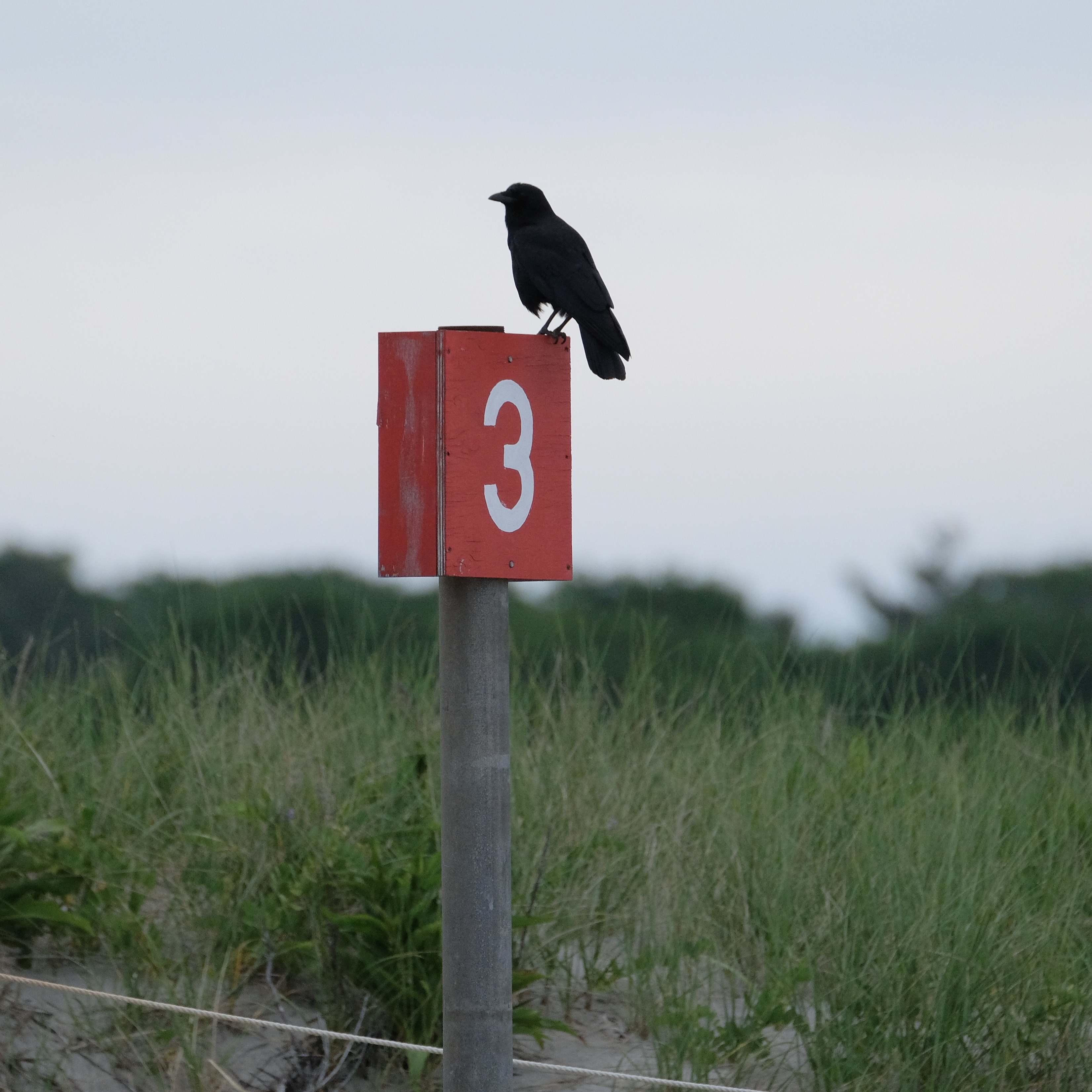
No dogs in sight and the family was happily foraging and warming under wings the length and depth of #3, and a bit beyond.

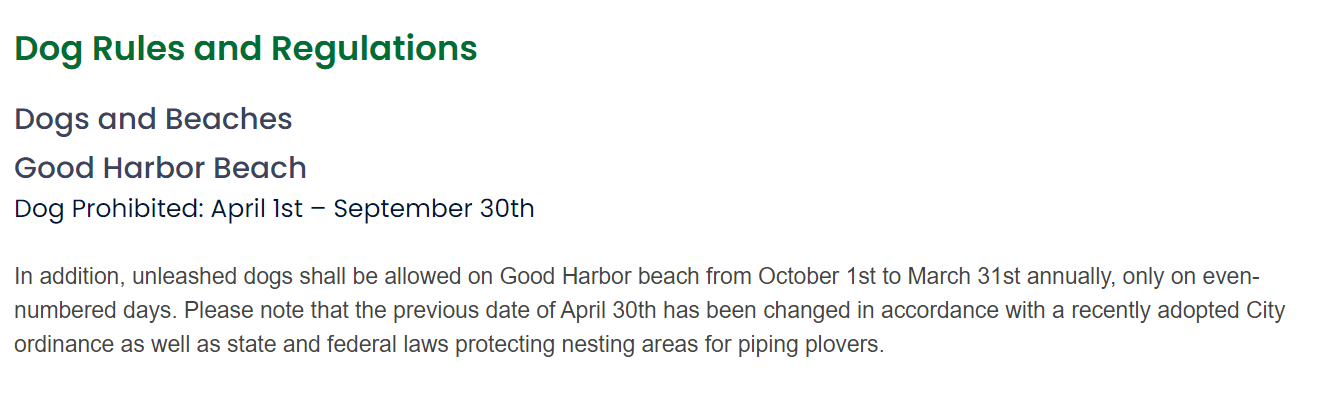
Sally had a tremendously great idea which was to take a screenshot of the dog regulations to share with scofflaw dog owners, especially the ones that insist that dogs are permitted on the beach after hours. We can grab the screenshot and put it on our phones.

Fines

$300 per violation. Fines for violations will be double in season for beaches and other off-leash areas as determined. (GCO Ch. 4, Sec. 4-16a)

The trash people leave behind on the beach (and oftentimes not trash but perfectly good items) is beyond belief. I forgot to bring garbage bags this morning, thankfully Heidi did!! THANK YOU HEIDI! Last year I tied a few  bags onto the roping low down for the days when I forget to bring a bag and will try to remember to do that tomorrow. Anyone can help themselves to the bags if needed. Please don’t pick up tissue looking paper unless you are wearing gloves because people are using the dunes as their personal bathroom. Tissue paper degrades and it is too gross to handle.

Yesterday as I was leaving GHB via the footbridge, an entire family, Mom, Dad, and three kids, each had a bag and were picking up trash.  I wish so much I had taken a photo but had to hurry back. Thank you kind Family!

Have a great Saturday and maybe I’ll see you at the Juneteenth Celebration at Stage Fort Park!


SENSE AND SENSIBILITY! COME CELEBRATE THE GRAND OPENING OF THE BRAND NEW COVE GALLERY ON ROCKY NECK!

So looking forward  to attending the grand opening of the new Cove Gallery!


HAPPY BEAUTIFUL JUNE DAYS FROM GOOD HARBOR BEACH!

Good morning PiPl Friends,

Another glorious June morning, with the family of five all present. The chicks spent almost the entire two hours that I was there feeding up by the dunes, in the Sea Rocket and dune grasses. As Heidi came onto her shift and we were catching up, the family appeared to be calling the troops to head over to the Creek.

The PiPls extra, extra wary behavior, and the fact they did not come to the water’s edge for several hours, was very unusual morning behavior and I wonder if it was because a dog owner had walked her dog along the length of the roping at #3. This was clear to see from the footbridge as I was coming onto the beach at 5:15. Although the dog was on a leash, she had him right at the edge of the roping. And, too, there was a pile of buried garbage and plastic attracting a pair of crows, also near the roping.

Dog owners that bring dogs to Good Harbor Beach and folks burying garbage pose real threats to the Plovers for the many reasons explained. Just a friendly reminder to all, please do not bring your dog to Good Harbor Beach, and please take home all of your picnic and party trash.

Recently there was a motorized bike at Good Harbor. Motorized bikes are a relatively new thing and to let everyone know – no vehicles are permitted at Good Harbor Beach. According to state guidelines, a motorized bike is definitely considered a vehicle and is currently not permitted at Good Harbor Beach while shorebirds are present. If a person is moving toward the vicinity of the Plovers on a motorized bike and doesn’t respond to sharing information about the PiPls, or change direction, please call the police.

Crow digging for chips

Happy Beautiful June Days!

Unlike today, yesterday the chicks spent the better part of the morning in the wrack line and at the shoreline. 


GOOD HARBOR BEACH PIPING PLOVER CHRONICLES CONTINUE

Good Morning!

All THREE present and accounted for! Although one did give a good scare, wandering on his own nearly as far as the last lifeguard chair by boardwalk entrance #1. Mom and Dad stayed close by the other two and both parents seemed particularly threatened by gulls this morning.

Mom successfully luring the young gull from her chicks

Badges are a great idea, Duncan. Are you thinking of a neck badge, something like this or did you have something else in mind.

When the chicks are primarily feeding at the wrackline and the beach is busy, please feel free to move a sign or two to the wrackline.

Thank you so very much to everyone that attended the film screening last night! I hope you will have a chance to see it again if that is the only way you have seen Beauty on the Wing. We were watching it through Catherine’s monitor, which is not the ideal way to view any film because of the poor visual quality, and perhaps because it was airing from Canada, the audio was not synced well to the text. All that being said, the conversation afterward was very interesting. Later this morning I am giving a screening to the British Mexican Society in London, all thanks to Zoom!

Have a wonderful day!
Warmest wishes,
Kim

Lots of good eating at Good Harbor!

The tiny speck to the right of the adult is one of the chicks. 

HAPPY ONE WEEK OLD BIRTHDAY ALL THREE WEE ONES!

Good Morning PiPl Friends!

Today marks the one week old birthday of our three Good Harbor Beach Piping Plover chicks. The family spent the morning foraging at the wrack line. It sure is good eating there, with lots of mini mini invertebrates to be had, including mollusks, insects, and larvae.

Invertebrate dangling

The morning was breezy and sunny, with the regular early morning beach walkers, along with a nice crowd of surfers. Thank you to everyone visiting and for keeping eyes on the Plovers. We are so fortunate to have such a conservation-minded community!!

New definition of Zooming

Ten days old is the next milestone because when PiPl chicks reach that age, their chance of surviving improves exponentially.

Mom thermosnuggling chicks this morning

I am giving a round of applause to our very excellent Dad and Mom, who are stars in the world of Piping Plover parents. Perhaps it’s their age, or familiarity with Good Harbor Beach, but they are truly model parents, always tending their babes and always on high alert for potential threats. Bravo Mom and Dad!!!

Mom and Dad courting, April 15th

Dad feigning a broken wing to distract a predator

Dad thermosnuggling five day old chick

A FOGGY GOOD HARBOR BEACH GOOD MORNING

Good Morning PiPl Friends!

Peaceful, serene morning at Good Harbor Beach with the PiPl chicks. All three were actively alternating between foraging, mostly at the wrack line, and thermosnuggling. Thank goodness for less than perfect beach days; the gray weather helps the PiPls grow stronger by allowing for less stressful foraging by the water’s edge.

The chicks are often difficult to see in the best of light. It’s even more challenging in fog and mist. Please travel cautiously, especially around the #3 area and especially, especially at the wrack line. Thank you!

Two little buttsGood Harbor Beach lifeguard chair

BEAUTY ON THE WING MONARCH BUTTERFLY FILM FREE (VIRTUAL) SCREENING WEDNESDAY EVENING AT 7PM AT DOCTALKS FILM FESTIVAL!

Laura Azevedo, Director of Filmmakers Collaborative, and I are featured guests at the 2021 DOCTalks Festival and Symposium that takes place annually (this year virtually from New Brunswick). We will be screening Beauty on the Wing and then discussing myriad topics related to filmmaking. The screening and discussion are FREE and OPEN TO THE PUBLIC. Please see below to register for the event.  Our talk and screening is scheduled to take place June 16th at 7pm (our time), which is actually 8pm Atlantic Daylight Time. I hope you can join us!

Please consider making a tax deductible contribution to our online fundraiser to bring Beauty on the Wing to American Public Television. DONATE HERE and READ MORE HERE

Event Registration:

Register at Eventbrite: www.eventbrite.com/e/2021-doctalks-festival-symposium-tickets-152537905983

Free Public Screenings & Talks

All evening screenings & talks are open to the public. A Zoom link will be provided for admission.


REST IN PEACE LITTLE CHICK

Good morning Friends,

One of the little Plovers has passed. He became very weak on the trek back from the Creek and passed sometime during the night.

Piping Plover Ambassadors Sally and Barbara observed the family on their return trip. The little one was not doing well, struggling to keep up with Mom and Dad and the three siblings. He was abandoned in the sand, barely moving and piping softly. Sally and Barbara did the right thing, watching from the edge of the roping and not interfering. When I arrived, it was clear the only chance he had of surviving, albeit very slim, was to get back with the family. We placed the chick near a hummock the family likes to snuggle at and Dad immediately began to thermosnuggle the chick. We left at dark and all four chicks were snuggling under Dad.

This morning the chick was found exactly where he was left last night. I don’t think he lasted too much longer after we departed and its good he was with the siblings and Dad when he passed.

It’s alway a question to help or not to help. The agent the City is working with wrote that she thinks we did the right thing. I think that even if we had found a wildlife rescuer in time, it would not have survived even the car ride.

Thanks so very much to PiPl Ambassadors Sally Golding and Barbara Boudreau. It’s very challenging being an Ambassador to these beautiful little marshmallows, especially in situations where you feel so helpless. Many, many, many thanks to Sally and Barbara. They handled the situation perfectly and we are grateful <3

Five day old Piping Plover chick and Dad

PIPING PLOVER CHICK LOST AND FOUND!

Good Morning PiPl Friends!

Only three chicks were spotted by our last Ambassador of the day yesterday evening. When I arrived at 5:30 this morning I, too, was more than disappointed to see only three chicks and was trying not to think of what may have happened to the tiny baby.

Hooray for Heidi! At 8:30am she had located the fourth chick. Smaller and quieter than the other three, it was up by the dune grass, thermosnuggling beneath Dad.

Tiny chick, big beach

The family is not yet feeding at the Creek but at the main beach and it is harrowing watching them run between people. They are trying to get to the wrackline. The parents appear to have a fascinating herding technique of getting them all to the wrack to feed for short stints before corralling the clan back to the refuge.

The beachgoers were amazing! They observed while standing back, which allowed the family to feed without disturbance. People are so awesome! So many were interested in their story and wanted to help. I am so grateful and so proud of our community for their consideration and efforts protecting the PiPls! If you see a Piping Plover ambassador on the beach, thank them for the tremendous job they are doing. And thank you Everyone for giving the PiPls some space!

If you would like to be a Piping Plover Ambassador, please contact me at kimsmithdesigns@hotmail.com or leave a comment. Thank you!

I’ve got a secret

PIPING PLOVERS AND CROWS

Good Morning Friends!

Beautiful quiet morning at GHB with our two day old little family. All four mini-marshmallows present and accounted for!

Reminder when visiting the PiPls, please stay at least ten feet back from the ropes. These first ten days the chicks are at their most extremely vulnerable. Case in point – An interested person came up to the ropes, hoping to get a shot with their cell phone. Mom was frightened off her roost snuggling the chicks and then a Crow flew in! Fortunately, Dad was nearby and gave the crow the business, in no uncertain terms.

People hovering for periods of time around the nesting area attracts both Crows and gulls. Crows are one of the greatest threats to Piping Plovers everywhere. This year has been especially horrific at several other beaches where I am documenting the PiPls. At one beach in particular they have decimated all nests, including renests, as well as killed at least four chicks. Once they discover how tasty PiPl eggs and chicks taste, they can’t seem to get enough. Crows are smart. It’s not that this beach has a great many Crows, but that the adults teach the young Crows and for that reason, the problem is continuing to grow.

Please clean up all garbage after visiting our beautiful beaches and please do not bury your garbage. The Crows and gulls are not deceived and will find.

*        *       *

A note about the Cecropia Moth caterpillars for friends still interested in raising these beautiful, albeit declining and threatened, members of the Giant Silk Moth Family. Caterpillars have at long last hatched! I’ll post later this afternoon to plan a caterpillar pick up day.

Happy last days of spring! Our garden is redolent with the scent of roses and the fragrance is wafting through my windows as I write this.

Warmest wishes,

Kim

Mom crouched in defensive mode, frightened off her roost this morning


PIPING PLOVER AMBASSADORS NEEDED

Hello PiPl Ambassadors,

Attached is the ambassador schedule. We are working out the kinks and are are still looking to fill in a few gaps. Please let me know if you have any leads.  We are looking for someone to fill the 11 to 12 noon time, 2 to 3pm, and 3 to 4pm.

If you don’t mind sharing, could you please email me your phone numbers. I’ll add that information to the schedule and we can text each other. This will come in especially handy in case you miss the person before you and need a location on the chicks (thanks Jonathan for the suggestion!).

Thank goodness for the cooler temps! The chicks spent much of the early morning thermosnuggling.

When I arrived at GHB this morning, the solar moon eclipse was taking place. It was amazing and I tried to photograph. There were dozens of photographers lining Nautilus Road. So much fun to see so many so early in the morning!

Thank you Everyone for your kind dedication. The Plovers thank you, too!
xoKim

HAPPY NEWS – GOOD HARBOR BEACH PIPING PLOVER HATCH DAY!

Eleven weeks since the day they arrived at Good Harbor Beach, daunting tides, torrential rain storms, countless disruptions, and near daily monitoring, four precious chicks hatched today. All look fluffy and healthy! Judging from their stage of “fluffiness,” I think they hatched about four hours or so ago. And, they all look fairly close in hatching time, which is a good thing and means we may not have one perpetually lagging behind in growth and movement around the beach. When I left at around 5:30pm, all four were tucked in under the shade of Dad.

Piping Plover ambassadors will be on the Beach from now until when the chicks fledge, which will be in about 35 days, or five weeks. Please feel free to ask us questions and learn more about the PiPls. We love to share!

Please stay clear of the symbolic roping. Especially now. For the first ten days of the chick’s life they are at their most extremely vulnerable.

Please be aware that Plover chicks do not stay in the roped off area, that is simply their refuge.  From their second day of life on, they travel up and down the length of the beach. Please be aware, especially when jogging and running along the beach, that one may be near underfoot.

Bringing dogs to the beach is simply the most dangerous thing anyone can do to tiny marshmallow-sized newborn chicks. No dogs, leashed or unleashed, at any time of day are permitted at GHB, even before 6am or after 6pm, which many are under the impression is acceptable.

If so inclined, please bring a trash bag to help keep Good Harbor Beach free from plastic pollutants and garbage. Less garbage means fewer crows and gulls, both of which eat shorebird eggs and hatchlings. Thank you for your help!