Category Archives: Oh Garden of Fresh Possibilities!

How to Offend Flowers

Cornus florida rubra ©Kim Smith 2012

Native Pink Flowering Dogwood ~ Cornus flordia rubra

While writing Oh Garden of Fresh Possibilities! I would often come across what seemed at the time random information, but would jot it down anyhow hoping that it would find its way into the pages of my book. The following excerpt was found within a display of Ming Dynasty (1368-1644) porcelain at the Walters Art Museum in Baltimore where I was researching Chinese flower and bird painting. I laughed out loud when reading and it makes me smile with every subsequent read but wonder if it is only funny to we flower- lovers.

Enjoying flowers with tea is the best, enjoying them with conversation the second and enjoying them with wine the least. Feasts and all sorts of vulgar language are most deeply detested and resented by the spirit of the flowers. It is better to keep the mouth shut and sit still than to offend the flowers. 

—from a Ming Dynasty  (1368-1644)  treatise on flowers Walters Art Museum

The idea that flowers can be offended by bad manners reflects the belief that the world we inhabit is an organism in which all phenomena interrelate. By the same reasoning, someone who drinks tea from a peach- shaped pot will live longer (peaches symbolize longevity), and someone who dips his writing brush in a peony-shaped bowl will have good fortune, as the peony is a metaphor for success and wealth. The love of flowers was and continues to be a passion among the Chinese and trees and plants are genuinely loved as living creatures.

To win a free copy of Oh Garden of Fresh Possibilities ! Notes from a Gloucester Garden leave a comment or see yesterday’s post about the Magnolia virginiana.

The Emperor of China and How to Make Chrysanthemum Tea

Emperor of China Chrysanthemum ©Kim Smith 2012

An ancient variety of chrysanthemum originating from China, the ‘Emperor of China’ resembles and is thought to be the chrysanthemum depicted in early Chinese paintings. Chrysanthemums are also grown for their medicinal properties, and their purported magic juices were an important ingredient in the life-prolonging elixir of the Daoist. Fragrant chrysanthemum tea was considered good for the health, and tonic wine was brewed from an infusion of their petals. Although thought to be rich in healing properties and lovely in form, a more modest well-being was conferred by the vigorous blossoming of the chrysanthemum. Perhaps the late flowering chrysanthemum suggests their connection to a long life, for other plants have finished flowering just as the chrysanthemums begin.

The techniques for learning to paint the orchid, bamboo, plum blossom, and chrysanthemum comprise the basis of Chinese flower and bird painting. They are referred to as “The Four Gentlemen” and are thought to symbolize great intellectual ideas. The orchid is serene and peaceful, though sophisticated and reserved from the world. Bamboo is vigorous and survives throughout the seasons, forever growing upright. The plum blossom expresses yin-yang dualities of delicate and hardy, blooming through snow and ice to herald the arrival of spring. Chrysanthemums continue to flower after a frost, are self-sufficient, and require no assistance in propogating themselves.

China owes its astonishing wealth of plant life to a combination of geographical incidents. The mountains escaped the ravages of the great ice caps and unlike much of Europe and North America, where many plants were wiped out, plant species in China continued to evolve. Additionally, the foothills of the Himalayas are moistened by soft winds from the south, creating an ideal climate for alpine plants. In this warm and moderate environment, three different floras – that of the colder, drier north; that of the sub-tropical south; and that of the alpine species – all mingled and crossed freely for thousands of years.

CHRYSANTHEMUM TEA

Chrysanthemum tea is a tisane made from dried chrysanthemum flowers. The flowers are steeped in boiling water for several minutes, and rock sugar or honey is often added to heighten the sweet aroma. Popular throughout east Asia, chrysanthemum tea is usually served with a meal. In the tradition of Chinese medicine, the tisane is thought to be a “cooling” herb and is recommended for a variety of ailments including influenza, circulatory disorders, sore throats, and fever.

Excerpt from Oh Garden of Fresh Possibilities! Notes from a Gloucester Garden.Leave a comment to be eligible to win a copy. See yesterday’s post about the Magnolia virginiana.

Read more about the ‘Emperor of China’

Chrysanthemum ‘Emperor of China’ begins its lovely tableau in mid-fall and continues to bloom through the first hard frost. Plum rose with silvery highlights, the quills shade paler toward the outer margins. When the plant is in full bloom, the rich green foliage shifts colors to vibrant hues of bronze to scarlet red. The ‘Emperor of China’ exudes a delicious lemon-spice fragrance noticeable from some distance.

As with New York asters, it is helpful to pinch the tips of each shoot to encourage branching and more blossoms. Repeat this process at each four- to six- inch stage of new growth until the middle of July, or when the buds begin to develop. ‘Emperor of China’ is hardy through zone six and thrives in full sun to light shade in well-drained soil. This cultivar forms a 21/2′ mound in only a few years. Give the plant a top dressing of compost and mulch after the first hard frost.

Win a FREE Copy of Oh Garden of Fresh Possibilities!

Eastern Tiger Swallowtail©Kim Smith 2010

Tuesday through Friday of this week I will be bringing you expert gardening advice excerpted from my book Oh Garden of Fresh Possibilities! Notes from a Gloucester GardenMy book is currently on sale on my publisher’s website (David R. Godine) for the unheard of price of 15.00 (the list price is 35.00.) In response to Godine’s super sale, I am offering a free copy of my book.

Leave a comment or question on any of the posts by Friday at 8PM to be entered into the drawing to win. Multiple entries are allowed. One person will be chosen at random. The book will be shipped on Monday, the 17th, which should allow time for it to arrive by Christmas. Shipping is included to addresses within the United States and Canada.

Praise for Oh Garden: Smith’s writing is lithe and clean and her experiences in conjuring beauty out of her garden in Gloucester make for excellent reading.
Hawk and Whippoorwill

Excerpt from Oh Garden of Fresh Possibilities! Part One: Creating the Framework, Chapte Three ~ Planting in Harmony with Nature

Magnolia virginiana ~ Sweetbay Magnolia

Located in the heart of Ravenswood Park in Gloucester there is a stand of Magnolia virginiana growing in the Great Magnolia Swamp. It is the only population of sweetbay magnolias known to grow this far north. I took one look at the native sweetbay magnolia and breathed in the fresh lemon-honeysuckle bouquet of the blossoms, fell in love, and immediately set out to learn all I could about this graceful and captivating tree.

Magnolia virginiana ©Kim Smith 2012 copy

Returning from a trip to visit my family in northern Florida, I had tucked the bud of a the Southern magnolia (Magnolia grandiflora) into my suitcase to paint upon my return. I was dreaming of someday having a garden large enough to accommodate a Magnolia grandiflora and was elated to discover how similar our sweetbay magnolia is to the Southern magnolia. For those not familiar with the Southern magnolia, it is a grand, imposing specimen in the landscape, growing up to fifty feet in the cooler zones five and six, and one hundred feet plus in the southern states. M. grandiflora is the only native magnolia that is evergreen in its northern range, flowering initially in the late spring and sporadically throughout the summer. The creamy white flowers, enormous and bowl-shaped (ten to twelve inches across), emit a delicious, heady sweet lemon fragrance.

In contrast, the flowers of the sweetbay magnolia are smaller, ivory white, water-lily cup shaped, and sweetly scented of citrus and honeysuckle. The leaves are similar in shape to the Magnolia grandiflora, ovate and glossy viridissimus green on the topside, though they are more delicate, and lack the leathery toughness of the Southern magnolia. The lustrous rich green above and the glaucous silvery green on the underside of the foliage creates a lovely ornamental bi-color effect as the leaves are caught in the seasonal breezes.

Magnolia virginiana is an ideal tree for a small garden in its northern range growing to roughly twenty feet compared to the more commanding height of a mature Southern magnolia. M. virginiana grows from Massachusetts to Florida in coastal freshwater wetland areas as an understory tree. The tree can be single- or multi-stemmed. Sweetbay is a stunning addition to the woodland garden with an open form, allowing a variety of part-shade loving flora to grow beneath the airy canopy. The leaves are a larval food for the Eastern Tiger Swallowtail butterfly. Almost immediately after planting we began to notice the swallowtails gliding from the sunny borders of the front dooryard, where an abundance of nectar-rich flowers are planted specifically to attract butterflies, around to the shady border in the rear yard where our sweetbay is located.

Garden designs are continually evolving. Part of our garden has given way to a limited version of a woodland garden, for the shady canopy created by the ever-growing ceiling of foliage of our neighboring trees has increasingly defined our landscape. We sited our Magnolia virginiana in the center of our diminutive shaded woodland garden where we can observe the tree from the kitchen window while standing at the kitchen sink. Gazing upon the tree bending and swaying gracefully in the wind, displaying its shifting bi-color leaves, provides a pleasant view when tending to daily chores.

See Tuesday’s excerpt about pear trees

Eastern Tiger Swallowtail ©Kim Smith 2010Eastern Tiger Swallowtail

Win a FREE Copy of Oh Garden of Fresh Possibilities!

Tuesday through Friday of this week I will be bringing you expert gardening advice excerpted from my book Oh Garden of Fresh Possibilities! Notes from a Gloucester GardenMy book is currently on sale on my publisher’s website (David R. Godine) for the unheard of price of 15.00 (the list price is 35.00.) In response to Godine’s super sale, I am offering a free copy of my book.

Leave a comment or question on any of the posts by Friday at 8PM to be entered into the drawing to win. Multiple entries are allowed. One person will be chosen at random. The book will be shipped on Monday, the 17th, which should allow time for it to arrive by Christmas. Shipping is included to addresses within the United States and Canada.


Praise for Oh Garden! from The Boston Globe’s Carol Stocker ~ Oh Garden! is a treasure, and perhaps the best garden gift book of the season. Both dream-like and practical, it captures the gardener’s journey by integrating personal essays, hand’s-on advice, and paintings.
—The Boston Globe

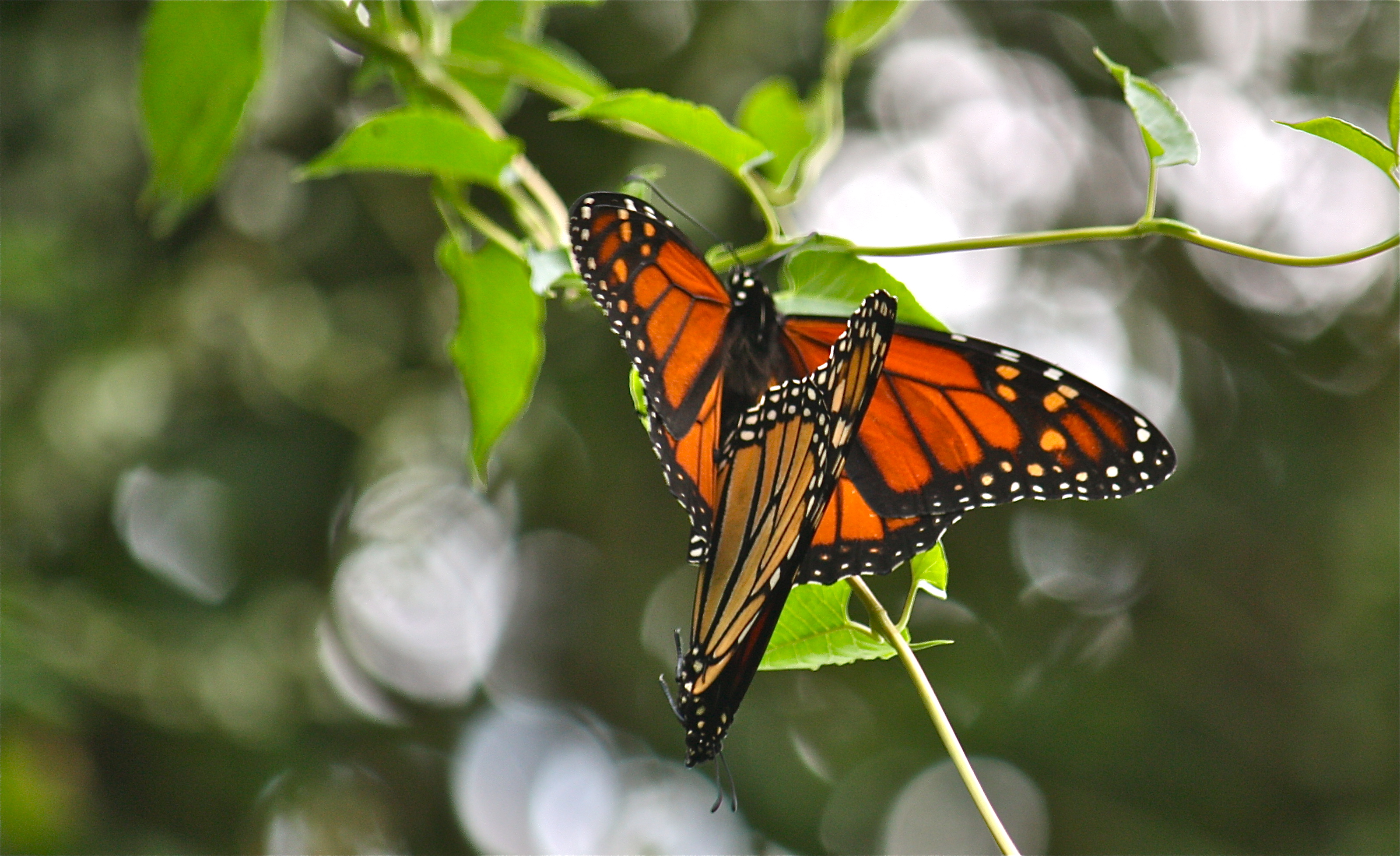
Monarch Butterflies Mating ©Kim Smith 2010.jpgA Pair of Monarchs Mating in Our Pear Trees 

Excerpt from Part One: Creating the Framework, Chapter One

He who plants pears, Plants for heirs

Pyrus communis, or common European pear, is not seen growing in the wild. The cultivated pears as we know them today are thought to be derived from Pyrus nivalis and P. caucasia. Few pears ripen well on the tree and that may be one reason they have not been grown as extensively in America as apples and peaches, although apple and peach trees are not as long lived as pear trees. A healthy pear tree can live and bear fruit for several centuries.

The trick to harvesting pears is to pick them as they are ripening, while they are still quite firm. If you wait until the flesh yields with pressure on the outside, the fruit will be rotted inside. Each individual variety of pears has an estimated ripening date from when the tree blooms. Note the date when the tree begins to flower and count the days forward to the approximate ripening time. The quality of the soil, where the tree is sited, as well as changes in the weather from year to year will influence the number of days until the pears are ready to be harvested. Bearing in mind that this is only an approximation, begin monitoring the fruit closely as the day approaches. Nearing the correct time of harvest, the color of the fruit will begin to change. For example, the ‘Beurre Bosc’ begins to turn a light golden yellow beneath its russet skin. Carefully hold the stem of the pear in one hand and the fruit-bearing spur in the other hand. Gently twist with an upward turn. Remove the pear and stem, not the bumpy, fruit-bearing spur. It takes several years for a spur to develop, and if damaged or accidentally harvested with the pear, the crop will be significantly decreased the following year.

Stack the fruit in the coldest section of a refrigerator and store for several weeks. After two to three weeks, remove a pear or two and let it ripen at room temperature for several days. At this point the pear will ideally be fully ripe and ready to eat. Depending on the cultivar, pears will keep for weeks to several months when kept well chilled.

My Book On SALE for ONLY 15.00!!! “Oh Garden of Fresh Possibilities! Notes from a Gloucester Garden”

Just in time for your holiday gift giving, my book, Oh Garden of Fresh Possibilities! Notes from a Gloucester Garden, which I both wrote and illustrated, is on sale on my publisher’s website for only 15.00. The price is unbeatable as the list cost is 35.00.  Oh Garden! makes an ideal gift for the garden-maker and nature lover on your holiday gift list and at this price, I recommend you buy one for yourself and one for a friend!

Oh Garden of Fresh Possibilities! .jpg

Praise for Oh Garden ~

Anyone who gardens along the Eastern Seaboard from Maine to South Carolina will appreciate Oh Garden of Fresh Possibilities! (David R. Godine, $35). This book is filled with design ideas and plants that work well in this coastal region, as author and garden designer Kim Smith relates her experiences with her garden in Gloucester, Massachusetts. The first part of the book, “Creating the Framework,” delves into trees, shrubs, and other elements for creating structure in the garden, while the second section addresses how to fill out the framework to create a harmonious living tapestry in your garden. —Viveka Neveln, The American Gardener

Oh Garden! is a 250 page hardcover book crammed full of the most excellent gardening advice you will find anywhere, guiding you through the four seasons, and woven throughout with over 85 illustrations, and fabulous plant lists. All week I will be bringing you excerpts from my book, with more praises from The Boston Globe and other literary reviewers.

Before and After Photos Willowdale Estate and Thank you Manchester Garden Club!

Willowdale Estate April 2008

In preparing for the lecture I presented for the Manchester Garden Club, which was held at Long Hill in Beverly, I came across several “before” photos of Willowdale Estate, from the spring of 2008, which was the year I began working on the gardens. By the way, the Manchester Garden Cub ladies could not have been more welcoming, and enthusiastic about my program. Thank you Constance and Marne for inviting me to speak to your lovely group, and for all your kind assistance!

Taming the Wisteria Willowdale Estate Spring 2008

I’ve learned over the years to always take the all-important “before” photos. My lecture attendees, clients, and prospective clients, love, love to see the transformation documented!

Five months later, September 2008. We created a “wisteria arbor” that guests could pass through.

Willowdale Estate May 2012

Stained Glass Butterflies

Click to view enlarged images. 

From our garden ~ Newly emerged female Monarch Butterfly drying her wings. Monday a male emerged, Wednesday a female–looks promising for another batch of Monarchs before summer’s end!

Newly Emerged Female Monarch Butterfly

Fragrant Daylilies

Oftentimes well-meaning hybridizers neglect fragrance, instead favoring a particular color or over-sized blooms. Hemerocallis dumortieri is a species daylily, which means the plant you see growing in the garden is exactly as you would find it growing in fields of wildflowers in Manchuria, eastern Russia, Korea, and Japan. The golden yellow-orange flowers have a scent to match their color; the fragrance is a heavenly combination of orange blossoms and honeysuckle.

H. dumortieri  is one of the earliest daylilies to flower, beginning to bloom in May in eastern Massachusetts.  The plants are compact, with narrow, arching leaves and the copper-hued buds open to warm marigold-yellow, star-shaped flowers; the backs of the tepals are washed with reddish brown striations.

Sweet Scents of Spring

Flowering Crabapple

Fragrant Snowball Viburnum (Viburnum x carlecphalum)

Narcissus’ Geranium’

Dwarf fothergillaFothergilla ‘Mount Airy’

Flowering Dogwood ~ Cornus florida ‘Rubra’

Is there a tree more lovely in flower than the North American native dogwood?

Whether flowering with the classic white bracts, the stunning rubra bracts, or the less often seen pale, creamy rose-tinted bracts, our native dogwood (Cornus florida) never ceases to give pause for beauty given.

NATIVE TREES SUPPORT NATIVE POLLINATORS!

At this time of year when traveling along southern New England roadways we are graced by the beauty of the dogwood dotting sunny roadside borders where meets the woodland edge. The bracts and flowers emerge before the leaves, serving only to heighten their loveliness. The fresh beauty of the bract-clad boughs is offset by the impressionistic symphony of tree foliage unfurling, shimmering in hues of apple green, chartruese, moss, and lime peel.

*Bract – A bract is a leaf-like structure surrounding a flower or inflorescence. The colorful bracts of poinsettias, the hot pink bracts of bougainvillea, and the bracts of dogwoods are often mistaken for flower petals.

The open florets (pea-green colored) and unopened buds are surrounded by the rose red-shaded bracts.

Read about how to help prevent an attack by the lethal dogwood anthracnose.

Continue reading

Some Favorite Jonquils and Narcissus

‘Minnow’ and Greigii Tulips 

The first photo is of the petite and scented jonquil ‘Minnow,’ offset by the coral red Greigii species tulip. Both are low-growing, which makes them ideal for rock gardens, and both varieties reliably return annually. The second photo is an ever-increasing little patch of narcissus and I know not the cultivar’s name. It was a spring gift that had been purchased as a potted plant from the grocery market, then planted in the garden in early summer.

The third photo is perhaps my all time favorite and consider it the very best for several reasons. ‘Geranium’ is divinely scented—sweet with a hint of fresh lemon blossom; its color and shape meld beautifully with a wide range of spring flowering bulbs; and ‘Geranium’ not only reliably returns each spring, it also increases in number.

Narcissus tazetta ‘Geranium’

For more information about narcissus and jonquils, including a list of the most sweetly scented varieties, see my book Oh Garden of Fresh Possibilities! ~ Notes from a Gloucester Garden, page 178.


Flowering Plum Tree

Flowering Plum Tree ~ Prunus cerasifera ‘Thundercloud’

Filmed on Plum Street, Gloucester. Liltingly fragrant and a hummingbird attractant, Prunus cerasifera ‘Thundercloud’ is the most widely planted purple-leaf street tree in the U.S.

Video Edit app for iPhone

Rendering and compressing are very, very fast in this  application; it is designed for ease of use and for speed. There are are no editing transitions, audio overlays, or other extra features included in this app, however that is not necessary when you want to capture, edit, and share in the fastest time possible.

Open Video Edit, click on the plus sign in the lower right corner, chose a clip from your camera roll, and click Choose in the lower right hand corner. Wait while the application compresses the video clip; a one minute clip took about 20 seconds to compress. You can add up to twenty clips and rearrange the clips in any order by dragging the clips in the timeline with your fingertip. Next type in the title, click Done. Click the check mark in the upper right corner, which brings you to the Render To page. You can render to iPhone, Email, Facebook, or YouTube. The 2 minute and 9 second video took less than ten seconds to render to my iPhone and twelve minutes approximately to render to youtube.


Cherry Blossom Time

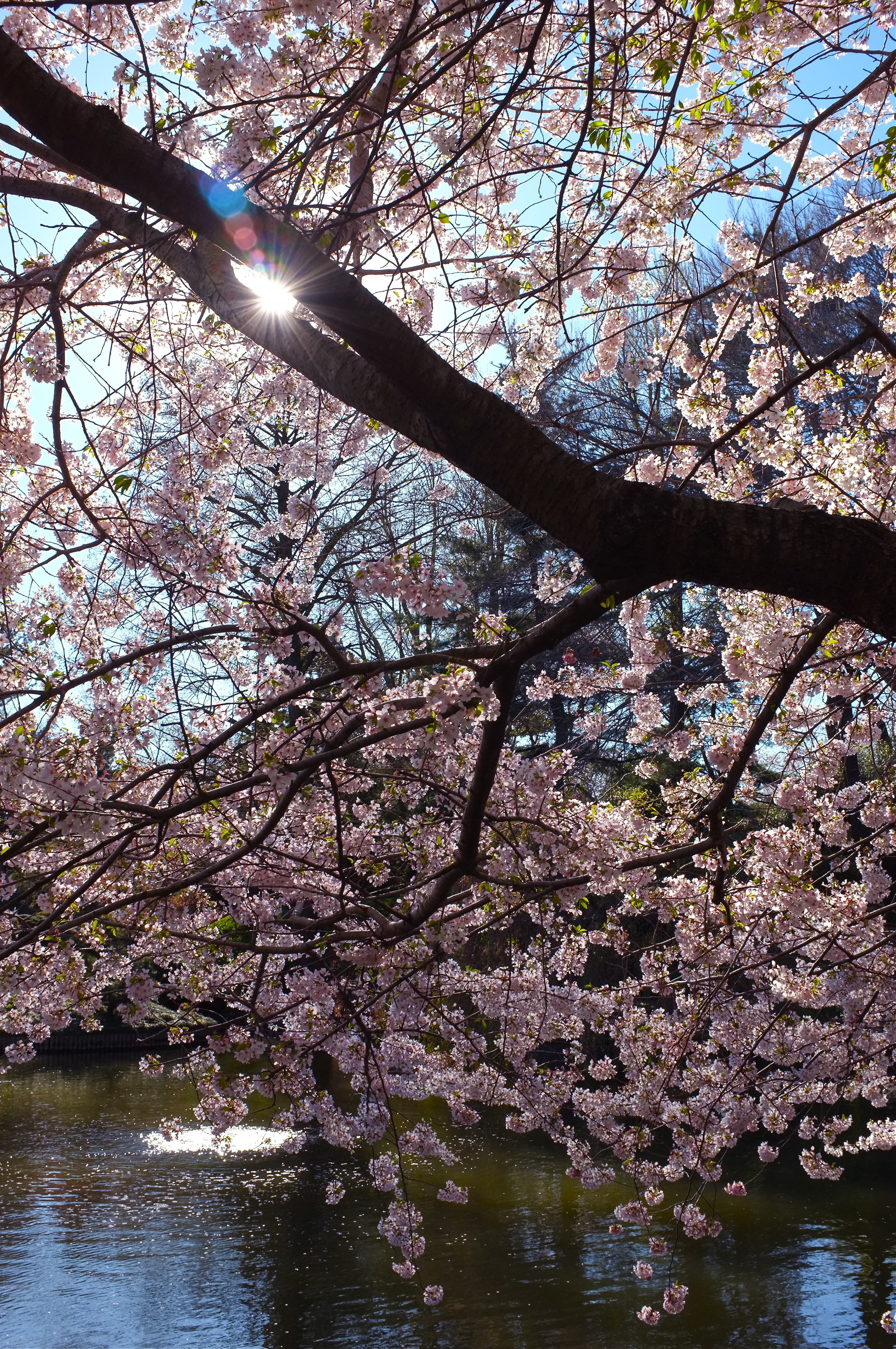
Native to Japan, the Yoshino cherry (Prunus x yedoensis) is cultivated extensively and is also found growing wild on plains and mountains countrywide. For more than ten centuries, and continuing with no less enthusiasm today, cherry blossom time has been cause for joyful celebration that is deeply integrated in the Japanese culture.

When cherry blossoms begin to fall heavily, the flurry of blossoms is called “cherry snowstorm.” The following is a traditional Japanese song that has been passed down for generations.

Sakura

Cherry blossoms, cherry blossoms

As far as you can see.

Across yayoi skies

Is it mist? Is it clouds?

Ah, the fragrance!

Let us go, Let us go and see!

To see a cherry blossom snowstorm:

In the Japanese language the cherry is called “sakura,” which is generally believed to be a corruption of the word “sukuya” (blooming). Poets and artists strive to express the loveliness of its flowers in words and artistry. Called the flower of flowers, when the Japanese use the word “hane” (flower) it has come to mean sakura, and no other flower. Since the Heian period “hanami” has referred to cherry blossom viewing; the term was used to describe cherry blossom parties in the Tale of Gengi. Aristocrats wrote poetry and sang songs under the flowering trees for celebratory flower viewing parties. The custom soon spread to the samurai society and by the Edo period, hanami was celebrated by all people.

From ancient times, during early spring planting rituals, falling blossoms symbolized a bounteous crop of rice. Beginning with the Heian period (794–1185), when the imperial courtiers of Kyoto held power, the preference for graceful beauty and the appreciation of cherry blossoms for beauty’s sake began to evolve. The way in which cherry petals fall at the height of their beauty, before they have withered and become unsightly, and the transience of their brief period of blooming, assumed symbolism in Buddhism and the samurai warrior code.

The delicacy and transience of the cherry blossom have poignant and poetic appeal, providing themes for songs and poems since the earliest times. The motif of the five petal cherry blossoms is used extensively for decorative arts designs, including kimonos, works in enamel, pottery, and lacquer ware. Cherry tree wood is valued for its tight grain and is a lustrous reddish brown when polished. The wood is used to make furniture, trays, seals, checkerboards, and woodblocks for producing color wood block prints.

In modern times the advent of the cherry blossom season not only heralds the coming of spring, but is also the beginning of the new school year and the new fiscal year for businesses. Today families and friends gather under the blooms and celebrate with picnicking, drinking, and singing. The fleeting beauty of the blossoms, scattering just a few days after flowering, is a reminder to take time to appreciate life. In the evening when the sun goes down, viewing the pale-colored cherry blossoms silhouetted against the night sky is considered an added pleasure of the season.

The tradition of celebrating cherry blossom season began in the United States when, on Valentine’s Day in 1912, Tokyo mayor Yukio Okaki gave the city of Washington, D.C., 3,000 of twelve different varieties of cherry trees as an act of friendship. First Lady Helen Taft and the wife of the Japanese ambassador, Viscountess Chinda, planted the initial two of these first cherry trees in Potomac Park. Today cherry blossom festivals are celebrated annually not only in Wash- ington, D.C., but in Brooklyn, San Francisco, Seattle, and Macon, Georgia.

It is said that the true lover of cherry blossoms considers the season is at its height when the buds are little more than half open—for when the blossoms are fully opened there is already the intimation of their decline.

Magnolia ‘Elizabeth’ at the Brooklyn Botanic Garden

Yesterday while visiting our daughter Liv we stopped briefly at the Brooklyn Botanic Garden. We could not have come on a more perfect day to see both the magnolias and the cherry trees in the Japanese garden in full, spectacular bloom.

You may recall that in a previous “Top Five Magnolias” post I mentioned that Magnolia ‘Elizabeth’ was patented by the Brooklyn Botanic Garden in 1977. She was first hybridized in 1956 and is named after Elizabeth Van Brunt, a patron of the garden.

Everyone was taking snapshots of Elizabeth!

Top Five Recommended Magnolias

Does your magnolia look like this:

Magnolia blossoms ruined by hard frost

Rather than this:

Magnolia soulangiana ‘Alexandrina’

Today begins a series on my top five magnolias, based on many years of observing and writing about this most highly appreciated species. Magnolias are one of the loveliest of springtime flowers, with silky buds developing into waxy fragrant goblets, and with their stunning display juxtaposed against bare branches, few trees are more breathtakingly beautiful than a mature magnolia in full glorious bloom. If you have a favorite magnolia, please write and let me know why!

Foremost in recommending magnolias are that the flowers have a beautiful shape, which will hold up well even in inclement weather, that they are intensely fragrant, and no less importantly, that they come into flower a bit later in the spring, or early summer. I had formerly recommended the Star Magnolia (see Joey’s photos Blooming Baby) however, Star Magnolias (Magnolia stellata) bloom the earliest of all the magnolias and they are the most susceptable to damage from a hard frost. Their bloom time is fleeting, at best, and the flowers are often quickly ruined.

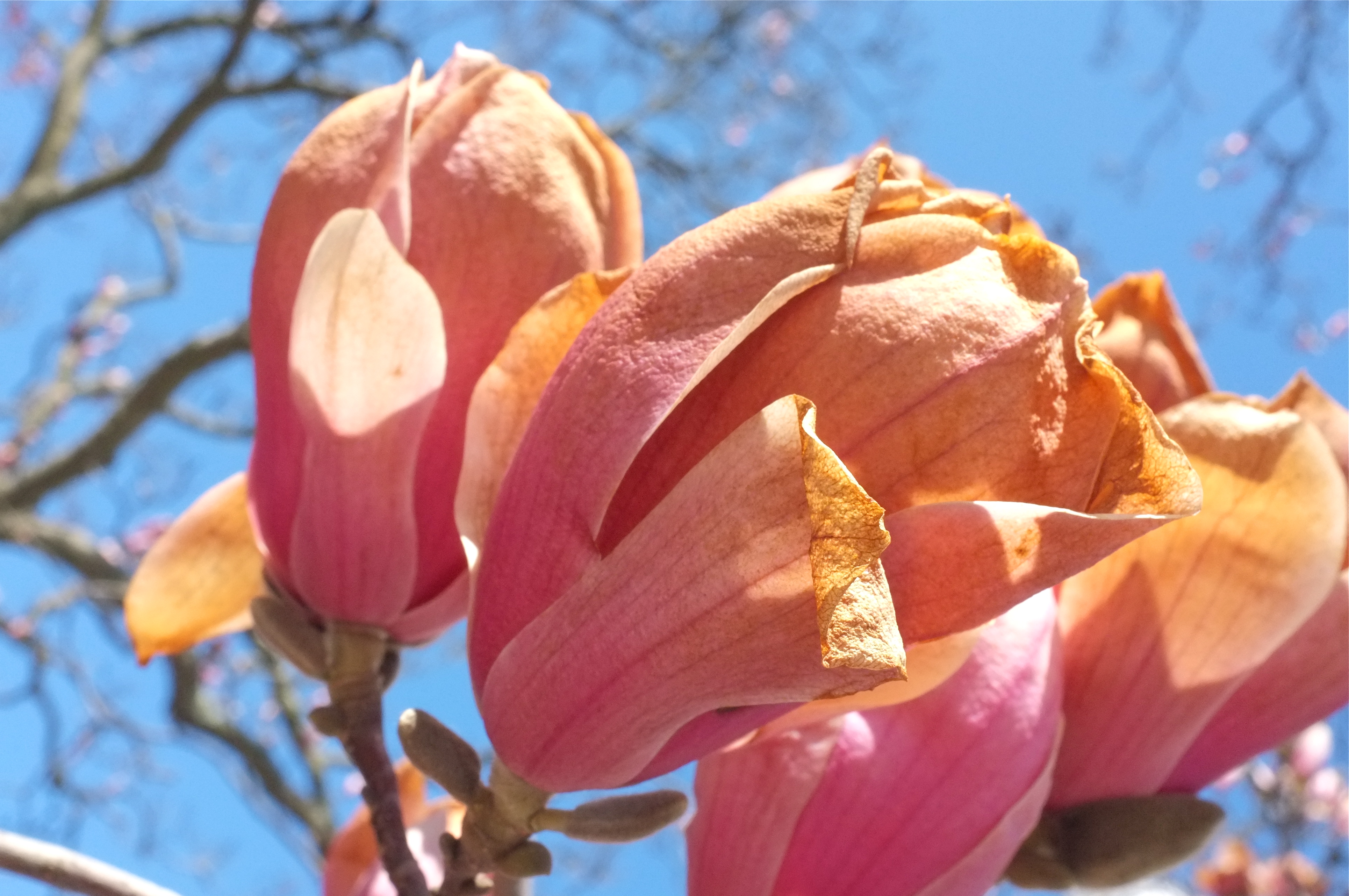
Today’s recommendation is for the Saucer Magnolia (Magnolia soulangiana x ‘Alexandrina’). The saucer magnolia is the magnolia of Boston’s Commonwealth Avenue fame.  A simply stunning and  mature pair can be seen in Gloucester flanking the front entryway to the Classic Revival brick house on the way to Eastern Point (opposite Niles Beach). The outer petals of ‘Alexandrina’s’ flowers are a richly colored deep pink, shaded white and pale pink inside, with a lovely fragrance. This variety has an upright habit, which makes it ideal for standard tree forms. Plant in full sun, to very, very, light shade.

Tip –if you hold fragrance in as high regard as do I, go to the nursery when the species of tree that you are shopping for is in full bloom. Oftentimes a tree may identified as a particularly fragrant variety, but then again it may not be accurately identified. Through no fault of the nursery– perhaps tags were switched, or perhaps their distributor has not accurately labeled the plant; whatever the case, take your nose from tree to tree.

No group of trees and shrubs is more favorably known or more highly appreciated in gardens than magnolias, and no group produces larger or more abundant blossoms.”  ~  Ernest “Chinese” Wilson, botanist and plant explorer

Global climate change is creating extremes in weather worldwide. The horticultural problems created by a spring cycle of freezing-thawing-freezing temperatures are only going to increase. The gardener’s best defense is to plant species that can withstand these new horticultural parameters.

Japanese Flowering Quince ‘Toyo-Nishiki’

Come join me Wednesday, March 14,  at 10:30 for my lecture The Pollinator Garden, presented by the Arlington Garden Club.

I am in the process of organizing photos for my upcoming season of garden design lectures and am enjoying looking over the past year in photos. This was my first year with the Fujifilm x100 and the photo of the flowering quince below was one of the first photos I took with the x100. I do love my camera!

Chaenomeles speciosa ‘Toyo-Nishiki’

Coaxing Winter Blooms

From mid-February on is the recommended time to prune members of the copious Roseaceae (Rose family) and their cut branches create stunning arrangements. The bare limbs dotted with five-petalled blossoms are particularly evocative juxtaposed against the cool, low light of winter. I am picturing the plum rose of Prunus cerasifera‘Thundercloud,’ the vivid pink of peach blossoms, the elegant sparkling white blossoms of apricot trees (Prunus armeniaca), and the brilliant fiery red-orange ‘Texas Scarlet’ Japanese flowering quince illuminating the rooms in which they are placed. I have to say my favorite of favorites is Chaenomeles speciosa ‘Toyo-Nishiki,’ with buds swollen and ready to burst by mid-winter and flowering in multiple hues of white, rose, and apricot pink, the beauty of their blossoms emphasized by the sharply zigzagging branches.

Note: Flowering quince provides nectar for northward migrating hummingbirds. It is not too early to put out your hummingbird feeders.

More information about Chaenomoles ‘Toyo-Nishiki’ may be found in Chapter Three, “Planting in Harmony with Nature,” Oh Garden of Fresh Possibilities!

Think Spring!

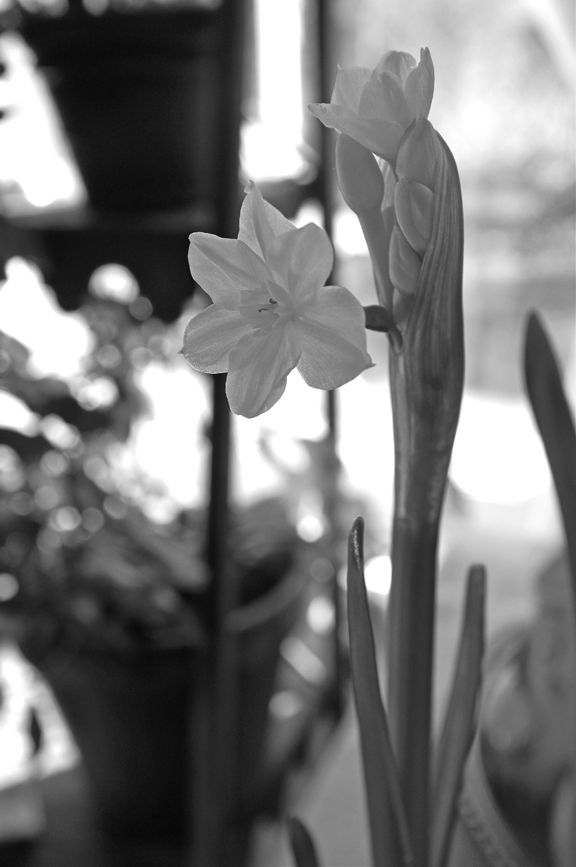
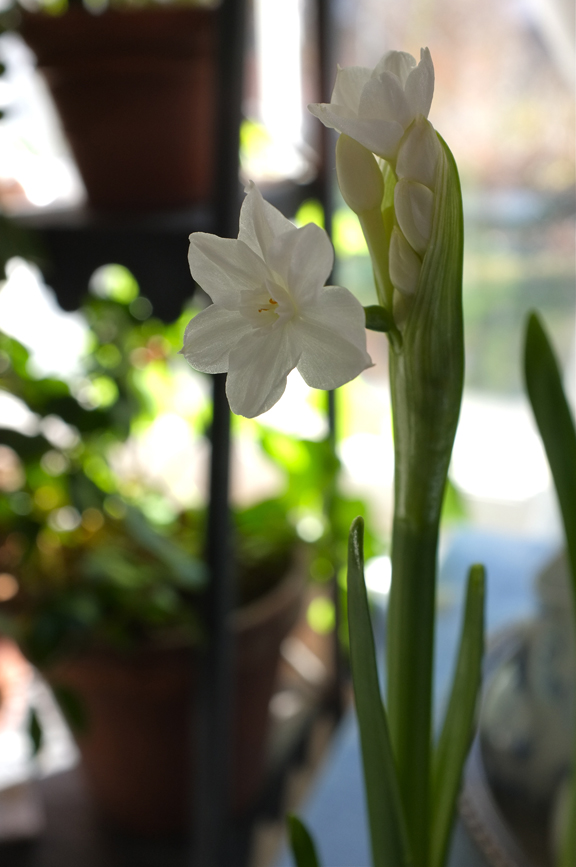
Narcissus ‘Ziva’

Which version do you prefer, black and white or color?

Beginning in November, we maintain a continuous flow of blooming narcissus by planting a new batch every two weeks or so. Paperwhites ‘Ziva’ blooms before the first of the year and ‘Galilee’ just after the holiday season. The ‘Chinese Sacred Lily’ (Narcissus tazetta var. orientalis) is almost as easy to force and has a sweeter, though no less potent fragrance. The scent is a dreamy blend of orange and honeysuckle. They are also a member of the tazetta group bearing multiple blossoms atop slender stalks, with white petals and cheery yellow cups. The ‘Chinese Sacred Lily,’ brought to this country by Chinese immigrants in the late 1800s, is traditionally forced to bloom for New Year’s celebrations.

With both paperwhites and ‘Chinese Sacred Lilies,’ place the bulbs in bowl or pot and cover with stones. The emerging green tips should be poking though the stones. Water up to the halfway point of the bulb and place in a cool dark room; an unheated basement is ideal. Water periodically and within a week or so, new growth will be visible. Then place the bulbs in the room away from strong light, continue to water as needed, and once in bloom, they will flower and scent your home for a week or more. Illustrations of paperwhites and the Chinese Sacred Lily, as well as the complete chapter, can be found in Oh Garden of Fresh Possibilities! Notes from a Gloucester Garden (David R. Godine, Publisher).

Antennae for Design

January, February, March, and for we who dwell in New England, oftentimes well into April, are ideal months for interior home improvements. During these more homebound months I am actively looking for home and garden design inspiration. And, too, with projects that were shelved during the summer months because of seasonal work and summer guests, winter is a great time of year to focus on home improvements. I was inspired to write this weekly series after a recent visit to our home from Joey, Jill, and their two darling daughters. The family stopped by for hot chocolate and story time and Joey was non-stop with investigative questions and curiosity. It got me thinking about the impetus for writing my book, Oh Garden of Fresh Possibilities!, which was originally conceived as a guide for young couples and new home owners (and someday, hopefully, for my children when they will one day have gardens of their own). My book grew to be more than that, but I am again thinking of the couples with young children that have recently moved to our East Gloucester neighborhood.

Plaster Ceiling Medallion

To think of it, we are following in an old Gloucester and northern seacoast tradition by tending to the interior of our homes during these winter months, in that of “house-pride.” The town’s carpenters, many of whom were master shipbuilders and shipwrights, would have had more free time during the winter months. Fine carpentry details are evident throughout our house, which was built in 1851. And, like many of Gloucester’s older houses, our home is graced with details created by the skilled plasterers that emigrated from Italy and settled on Cape Ann. Although a modest house, particularly by today’s “starter castle” standards, I wouldn’t trade our lovely 19th century home, with its quirky and elegant details (along with it’s many foibles) for all the world’s McMansions.

I propose Antennae for Design will encompass home and garden design inspiration, home improvement tips, feature interviews with local business owners who specialize in art and design, and after visiting local well-tended homes and gardens, sharing information found there.  Let me know through the comment section or by emailing at kimsmithdesigns@hotmail.com of your thoughts and any topic that you may find particularly relevant or of interest.

Amaryllis ‘Orange Sovereign’

Amaryllis ‘Orange Sovereign’ will be in full bloom by Christmas Day!

For tips on coaxing winter blooms, including forcing bulbs and flowering tree and shrub branches, see Oh Garden of Fresh Possibilities!  David R. Godine, Publisher.

Oh Garden of Fresh Possibilities!

Dear Friends,

It’s that time of year again for holiday gift making and gift giving. Possibly you are one of those fantastically super organized holiday spirits finished with your holiday shopping, or even more probably, you’re not in the mood for another holiday commercial. If so, please forgive, but  I am writing to suggest that my book Oh Garden of Fresh Possibilities! ~ Notes from a Gloucester Garden, which I both wrote and illustrated, makes a wonderful holiday gift. If you already own a copy, perhaps you will agree that it would make a thoughtful gift for that someone on your list who loves to garden, or a young couple who may have recently purchased a home and needs sound advice, or someone who simply likes to read about flowers, butterflies, garden lore, and garden-making.

This is a link to the Press Page of my blog, where you can read excerpts of reviews by The Boston Globe’s Carol Stocker, Bloomsbury Review, Patriot Ledger, North American Butterfly Association, and more. With spending any spare hours blogging and with my video projects and garden design newsletter, I am embarrassed to say that my website has not been updated in over a year, however, both the Book Page and Story Page on my website provide more information about Oh Garden!

Oh Garden of Fresh Possibilities! ~ Notes from a Gloucester Garden is available at Toad Hall, and wherever fine books are sold.

Excerpted from the introduction ~

We all carry within us the image of a home to create and a garden to tend. Perhaps you dream as I do of a welcoming haven to foster family bonds and friendships and to rejoice in life’s journey. The garden and the home to which it belongs becomes a memory catcher to weave a life’s tapestry.

To imagine a garden paradise one must live in one’s home to listen to its own particular music. Gradually, by degrees, the idea of the garden will grow. A home and a garden should look as though they had grown up together and will when one takes the time and necessary thought. A garden cannot be hurriedly created. Delicious, blissful pleasure is derived from the garden’s use as a continuation of the home.

Our gardens provide a safe harbor from hectic lives, a place to celebrate life and an opportunity to express our creativity. The garden is an inviting sanctuary to guide one through the rhythms and harmonies of the natural world. Planted to nurture the imagination and hearten the soul, a “new” cottage garden is a whimsical, exuberant intermingling of scented flowers and foliage, fresh fruit, and savory herbs.

As a designer, I believe I am here to channel ideas for the benefit of many. This book is my communication of a profound desire to share with readers the immeasurable joy gleaned from creating a personal paradise of one’s own making.

The illustrations are of flowers, songbirds, and butterflies I love to draw and to paint, and selected because they only become more beautiful when intimately observed.

A poetic world lies waiting to be discovered. Let us open the garden gate and take a step within.

And Joe Garland’s lovely blurb for the book’s jacket:

“Drawn by the tender magic of her brush, one feels somehow renewed under the spell of the author’s singular warmth as we stroll within these pages in the intimacy of the secret garden she reveals.”

~ Joseph Garland, author and historian

Aloha and Happy Thanksgiving

Dear Friends,

A Thanksgiving column for you–about the sublime rose ‘Aloha,’ for which I am most thankful. Even more so, I am thankful for my family—our son Alex is arriving home from college this afternoon, then later in the afternoon, my dear mother-and father-in-law from Cincinnati, and then darling daughter tonight on the train from NYC. I count my blessings each and every day, but I am especially grateful that this Thanksgiving my husband and I can share this most special of holidays with our family. I hope with all my heart you have a joyful Thanksgiving.

Warmest wishes, Kim

P.S. Programming notes ~ Two specials that I produced are airing on Cape Ann TV this week and they are The Butterfly Garden at Willowdale Estate and The Greasy Pole Fall Classic (see previous post re Greasy Pole schedule).

Program schedule for The Butterfly Garden at Willowdale Estate airing on Channel 12, Cape Ann TV:

Monday, November 21 at 8:00 pm

Tuesday, November 22 at 2:30 am and 10:30 pm

Saturday, November 26 at 8:00 pm

Aloha Blooming Mid-November

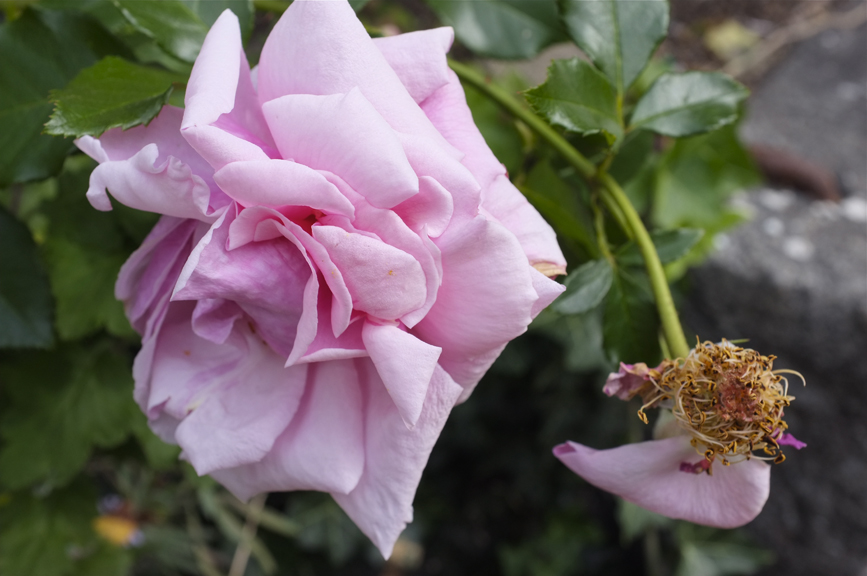
Rosa ‘Aloha’

The French have a beautiful sounding word for a repeat flowering rose and, without doubt, the most remontant rose that we grow is ‘Aloha.’ Embowering our front porch pillars, she welcomes with her fresh-hued beauty.‘Aloha’ begins the season in a great flush, followed by a brief rest, and then continues non-stop, typically through November, and in one recent, relatively mild autumn, into December. I like her so very much that I planted a second and then third and they are all three sited where we can enjoy her great gifts daily.

‘Aloha’s’ buds are full and shapely, and colored carmine rose with vermilion undertones, giving us a preview of nuanced shades to come. She unfurls to form large, quartered, and subtly two-toned blossoms, initially opening in shades of clear rose-pink with a deeper carmine pink on the reverse, or underside of the petals. The blossoms are long lasting, fading to a lovely shade of  pale coral pink. And the petals fall loosely, never becoming balled clumps. With luxuriously long stems and shiny emerald foliage, ‘Aloha’ also makes a divine cut flower.

Oh, and I can’t believe I am several paragraphs in and haven’t yet mentioned her fragrance. She not only welcomes with her great beauty, but also with her potent and dreamy scent. I’ve often heard ‘Aloha’ described as having a green apple fragrance, but find that description only partially accurate; the scent is really much more sophisticated, with notes not only of fresh Granny Smith apple, but also the warm sensuous undertones of the old Damask and Bourbon roses.

Passers-by may think she looks a bit peculiar, ruining my color scheme with her fresh-hued cluster of pink amongst a tumble of drying stalks and seed heads in the beige and brown hues of late autumn, but I don’t mind—to be welcomed by her scent on a cold November morning is simply to be welcomed by a gift—and ‘Aloha’ is a rose that just keeps giving and giving and giving.

I first took note of Aloha, arching along a split-rail fence and growing in the path of drying winter winds and sand. A rose that can withstand winter along the Cape Ann seashore is a rose worth noticing. I asked the owner of the garden if she minded if I took a cutting and she very graciuosly allowed me to take several (see Chapter 14, page 117, in my book Oh Garden of Fresh Possibilities on how to propagate a rose from a cutting).  ‘Aloha’ is one of the easier roses to propagate and I soon had several viable plants. I kept one and gave the rest to friends. Roses grown on their own roots are far superior to those grown on a commercial rootstock. The grafted joint is susceptible to disease and damage. Not only that, in the case of a very severe winter, the growth above the graft is often completely destroyed. The growth that returns in the spring is that of the rooting stock, not of the originally desired rose.

‘Aloha’ was hybridized by Eugene Boerner in 1949 and is in the class Large Flowered Climber. Her parents are the Climbing Hybrid Tea ‘Mercedes Gallart’ and ‘New Dawn.’ Although classified as a climber, the versatile ‘Aloha’ is easily grown as a shrub. The foliage is vigorous and leathery, and rarely visited by pests or disease. ‘Aloha’ is the parent or in the ancestry of many gorgeous roses and has contributed greatly to the development of the David Austin roses.

Roses seen in paintings by the old Dutch masters are the Damask, Bourbon, Gallica, Alba, and Portland roses. Hybrid Perpetuals were derived to a great extent from the Bourbons. Hybrid teas are a cross between the winter-hardy Hybrid Perpetual and the tender, yet repeat blooming, Tea rose; hence the winter-hardy and repeat blooming class called Hybrid Tea. These were cross-pollinated with large flowered climbers, culminating in roses that inherited what are considered by rosarians to be the most desirable qualities—that of repeat flowering, strong fragrance, strong stems, hardiness, and disease resistance.

‘Aloha’ grows vigorously in full sun or a very light bit of shade. A compact climber, she is ideal for planting alongside porch pillars and fences. It is easier to train the canes to grow up a porch pillar or to arch along a fence when they are young as the canes become stiff with age. After the first flush of flowering, deadhead and remove any weak or twiggy growth. Pruning is not mandatory for flowering because ‘Aloha’ blooms on both old wood and on the current season’s growth, however, I like to prune again lightly at the end of the growing season, to shape and to remove twiggy growth. In early spring fertilize and lightly prune yet again, removing any dead winter damage (usually minimal). ‘Aloha’ is not prickle free; be mindful to plant where she won’t create a nuisance (I should heed my own advice, although if planted in a heavily trafficked site she is very easy to keep in check).

Because of her ease in culture, remontant habit, arresting fragrance, and seemingly endless variations in color from within each flower, I would have to say ‘Aloha’ is in my top ten category of favorite roses, if not top five. If you have a rose that you cherish—a rose you grow, or perhaps one you recall from childhood—please write and tell me what it is that you find lovely in your rose.

Aloha (left pillar) Early June

Aloha Late June

Blooming Today in My Garden

In the garden of mid-Ocotober’s dissipating beauty ~

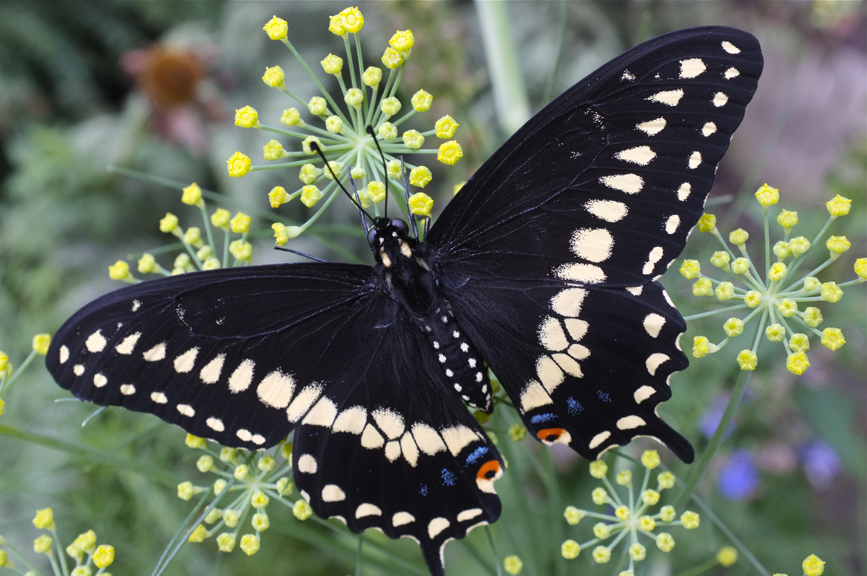
Black Swallowtail Butterfly and Fennel

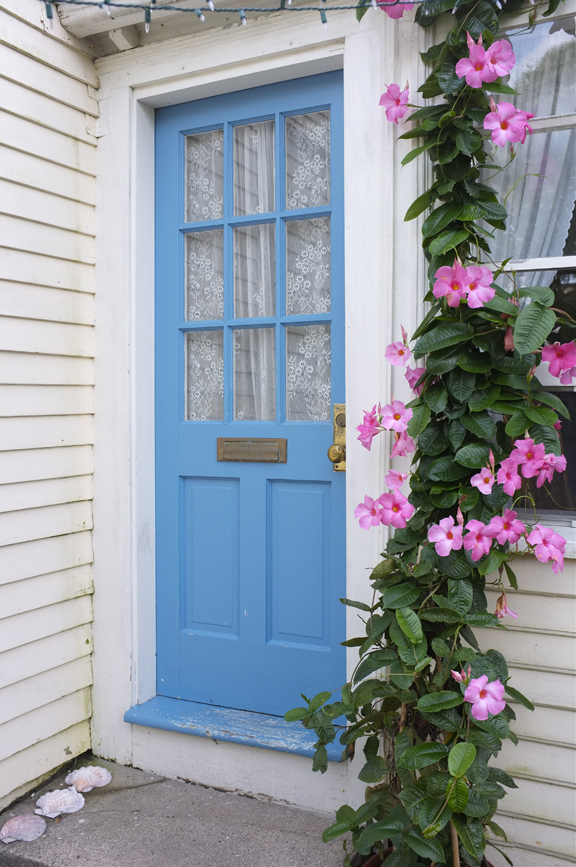
Mandevilla

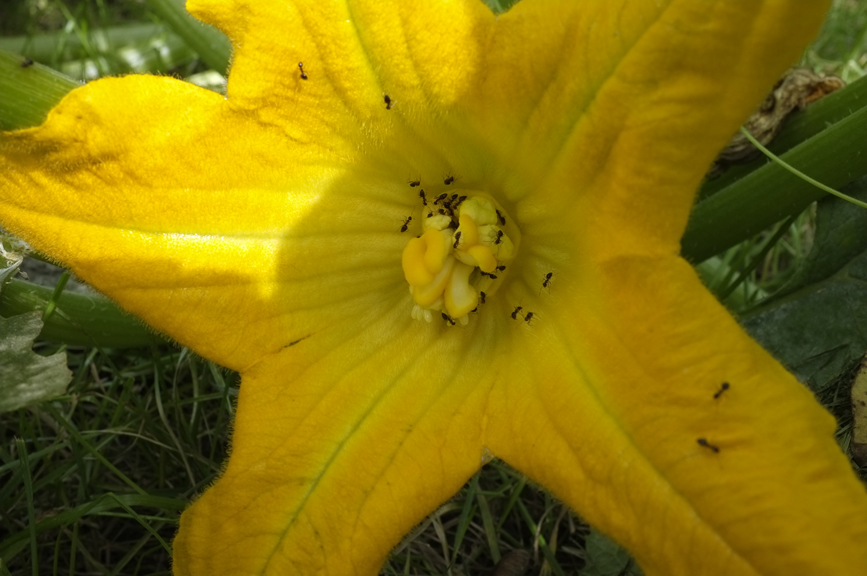
Zucchini Blossom

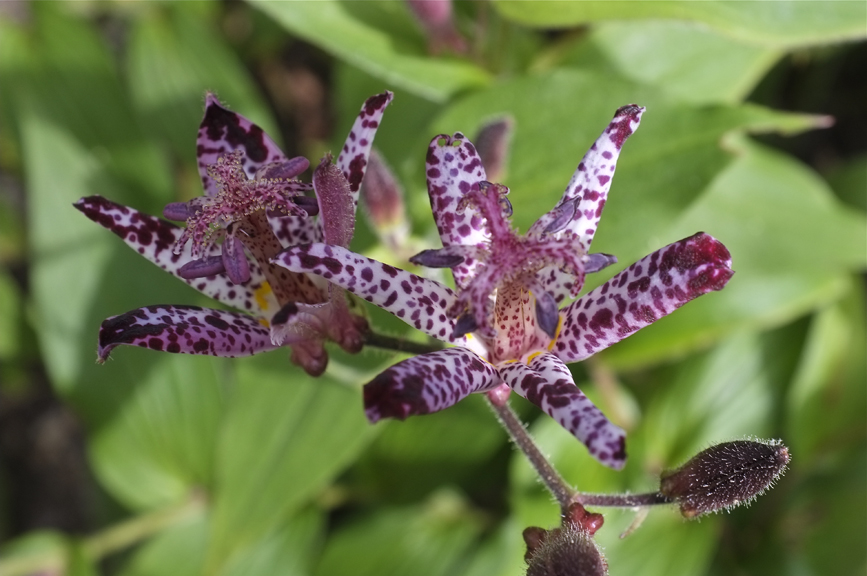
Toad Lily

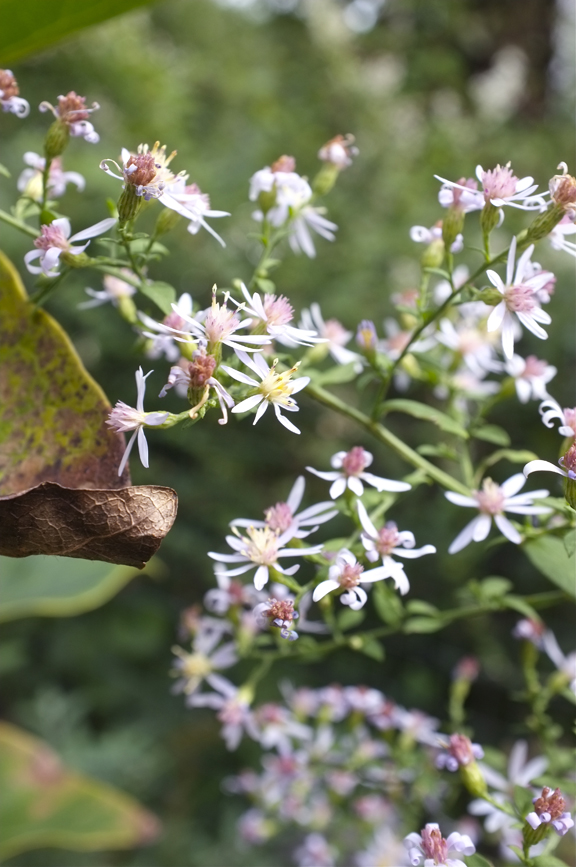
Calico Aster

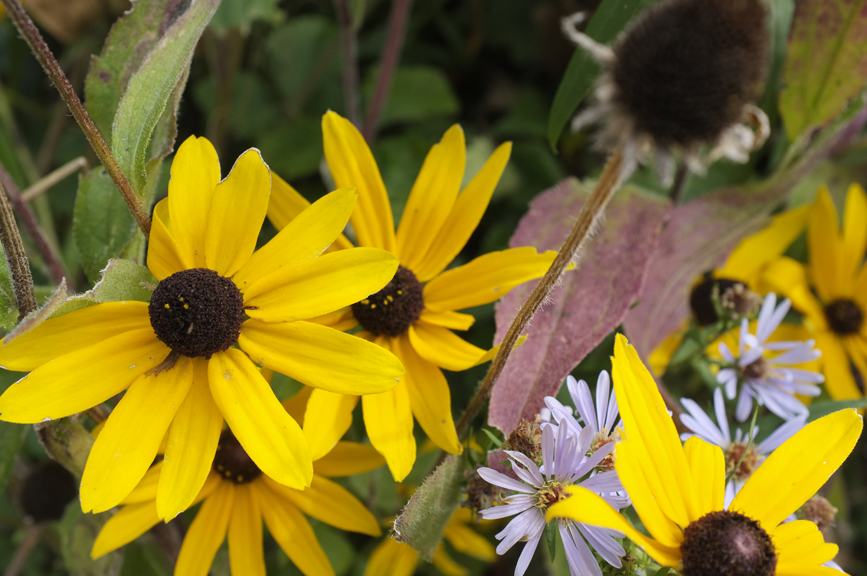
Rudbeckia and Smooth Aster

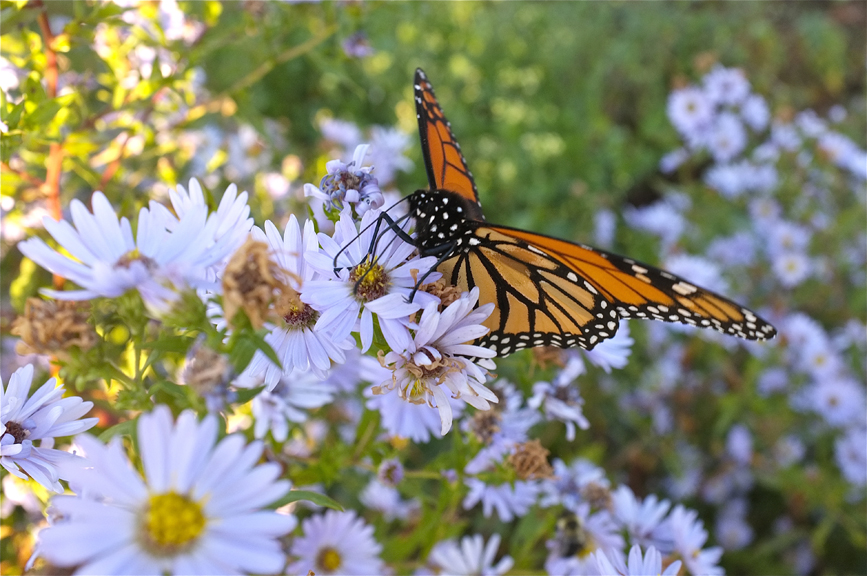
Monarch Butterfly and Smooth Aster

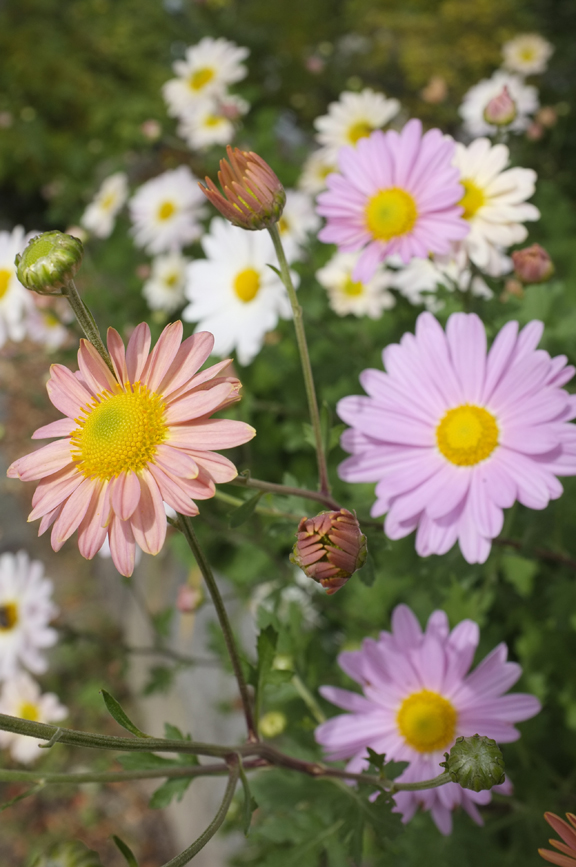
Sheffield and Korean Daisies

Moonflowers and Cardinal Climber

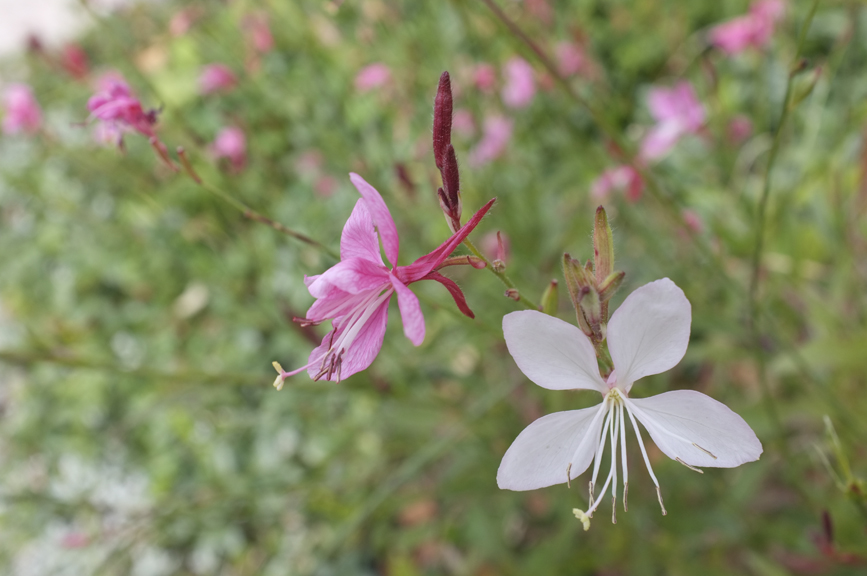
Gaura lindheimeri ‘Siskiyou Pink’

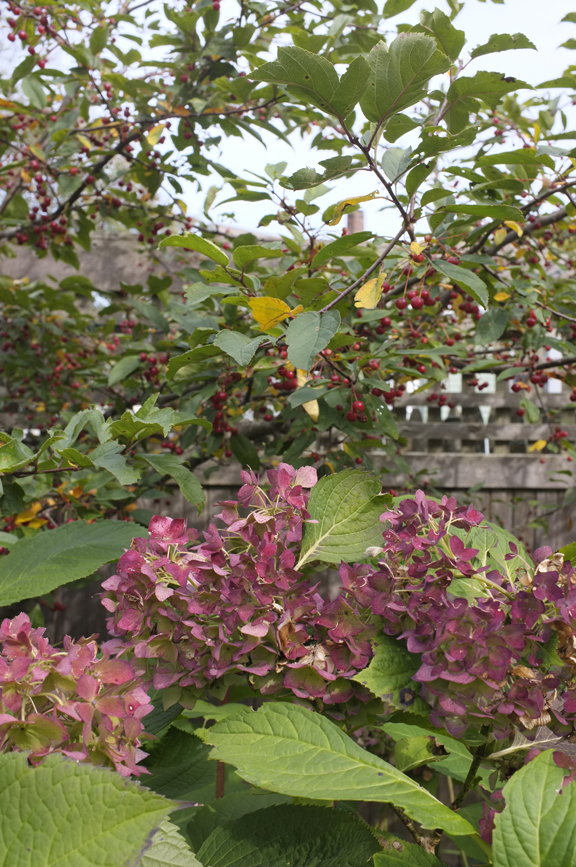
‘Endless Summer’ Hydrangea and Sargent’s Crabapple

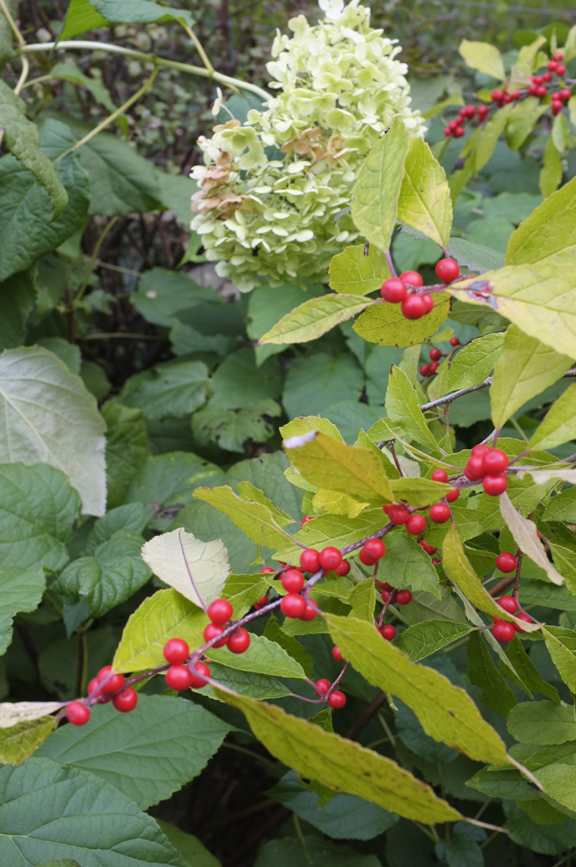
‘Annabelle’ Hydrangea and Winterberry

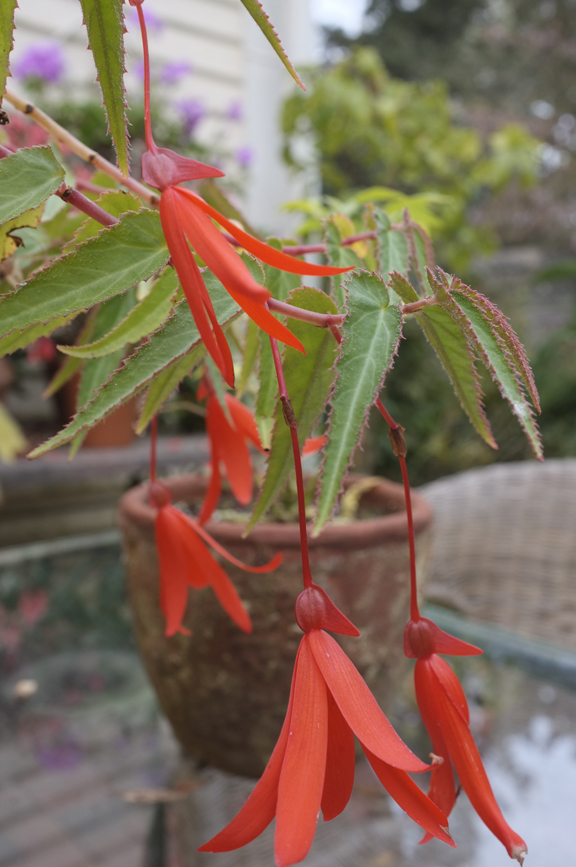
Begonia

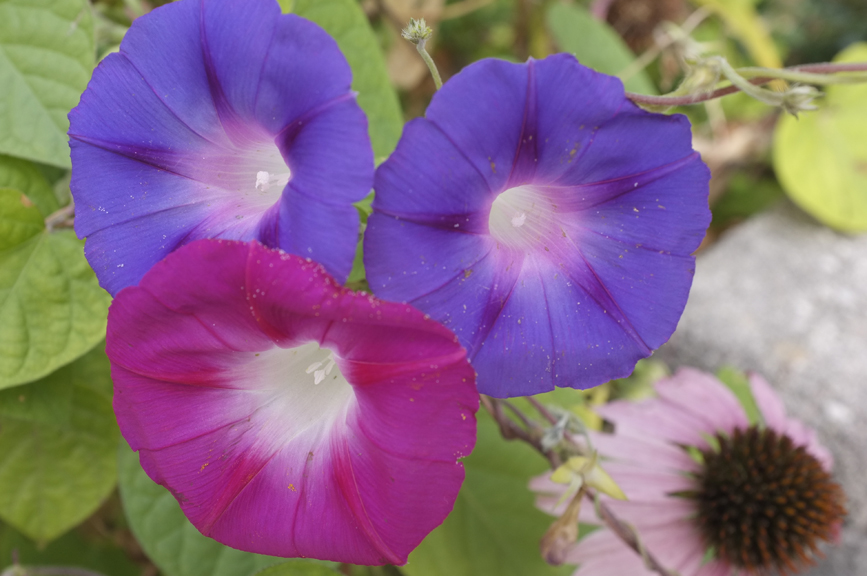
Morning Glories

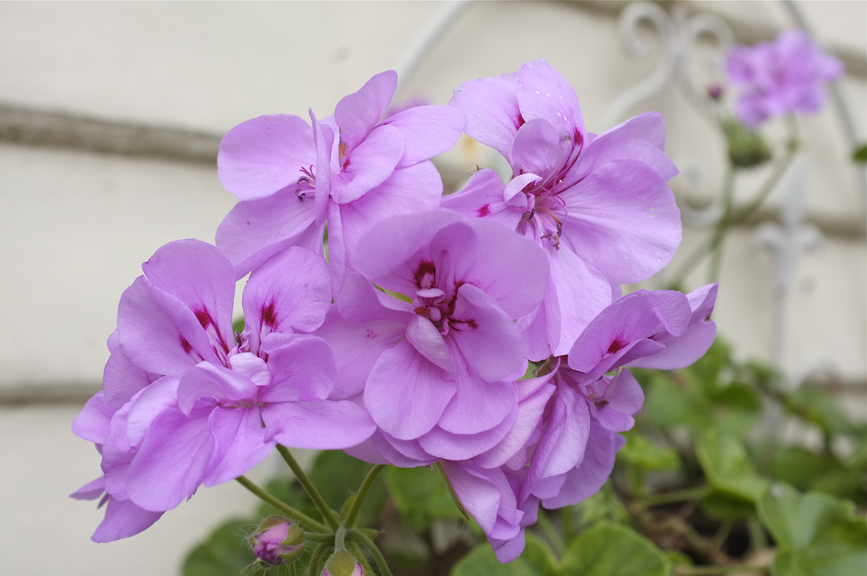
Geraniums

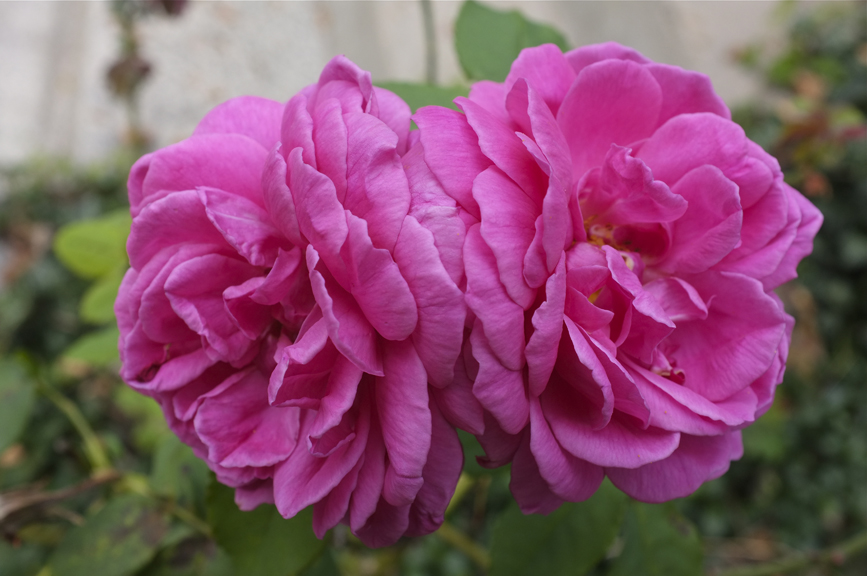
And the fabulously fragrant remontant roses ‘Souvenir de Victor Landeau’ and’Aloha’

Souvenir de Victor Landeau

‘Aloha’

Free Marsh Milkweed Seeds

Available while supplies last!

Plant this,

which will lead to this,

which will give you this!

Monarch Butterfly Nectaring at Marsh Milkweed (Asclepias incarnata) 

Monarch Butterfly Nectaring at Smooth Aster Fall 2011

Summer Phlox and Towering Lilies

“At this point, it is the summer phlox and, above all, the towering lilies that are providing the scent in our garden in Milton. And very heady it is, too- especially on still, hot days.”  – My friend David Godine writes of his beautiful garden in Milton, Massachusetts.
I am wonderfully fortunate that Mr. Godine is both my publisher and editor for my book Oh Garden of Fresh Possibilities!. Not only does David have a deep love for all things books, he is passionate for gardens and gardening.
 Phlox paniculata ‘David’ and oriental lily, with Hummingbird Clearwing Moth, photographed at the butterfly garden at Willowdale Estate.

Yellow!

Dear Gardening Friends,

This past week I gave my Monarch butterfly program to the very interested and very interesting women of the Cape Ann Garden Club; next week I am presenting a simplified version to a group of pre-school children. It comes as no surprise to me that the beautiful life story of the Monarch is as equally enthralling to the young as it is to the young at heart!
Yellow–the color of summer–of sunlight, warmth, and joy. Did you know that yellow daylilies can be fragrant? If you are interested in creating a border of sequentially blooming species daylilies, read Chapter 16 in my book Oh Garden of Fresh Possibilities! where you will find the most comprehensive list of different species of highly fragrant yellow daylilies. I leave you with this photo of the fabulously scented–of honeysuckle and citrus–yellow daylily ‘Hyperion.’
Happy Summer!
Fragrant Yellow Daylily HyperionHemerocallis ‘Hyperion’