Category Archives: Antennae for Design

Magnolia virginiana in Gloucester, Massachusetts

Magnolia virginiana in Massachusetts written by Peter Del Tredici.
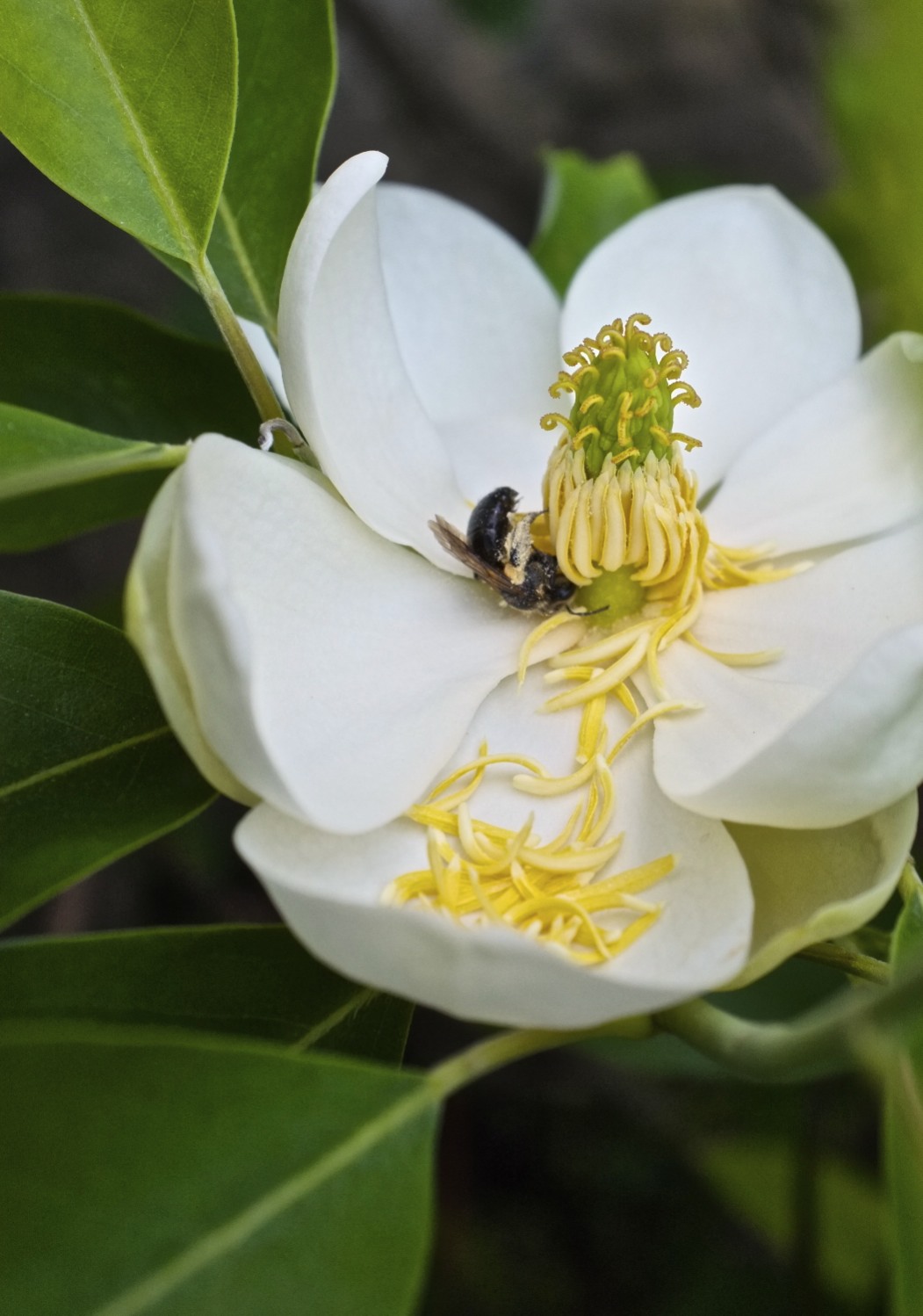
Sweetbay Magnolia virginiana Gloucester Massachusetts Fujifilm x100

History

The sweet bay magnolia swamp in Gloucester, Massachusetts has been a botanical shrine since its discovery in 1806. Early New England naturalists and botanists of all types, from Henry David Thoreau to Asa Gray, made pilgrimages to the site of this northern- most colony of Magnolza virginiana. The local residents of Gloucester were so impressed with a “southern”plant growing this far north that they changed the name oft he Kettle Cove section of the town to Magnolia in the mid-1800s. It is probably no coincidence that this name change occurred at the same time the area was starting up its tourist trade.

In addition to its isolation, the Gloucester Magnolia population was remarkable for having escaped notice until 1806 in an area that was settled in 1623. This fact has led at least one author to speculate that the colony was not wild but escaped from a cultivated plant (Anonymous, 1889). However, the overwhelming consensus of earlier botanists is that the population is, in fact, native. Whatever its origin, the swamp remains today the unique and mysterious place it has been for almost 200 years.

Very little has been written about the magnolia swamp in recent years. The latest, and best, article about it was wntten by Dr George Kennedy, and appeared in 1916 in Rhodora, the Journal of the New England Botanical Club. Dr. Kennedy summarized the history of the stand, and cleared up the confusion about who discovered it by publishing a letter he found, written by the Honorable Theophilus Parsons to the Reverend Manassah Cutler in 1806. The letter captures the emotion of the moment of discovery:

Reverend and Dear Sir:

In riding through the woods in Gloucester, that are between Kettle Cove and Fresh Water Cove I discovered a flower to me quite new and unexpected in our forests. This was last Tuesday week [July 22, 1806]. A shower approaching prevented my leaving the carriage for examination, but on my return, on Friday last, I collected several of the flowers, in different stages, with the branches and leaves, and on inspection it is unquestionably the Magnolia glauca Mr. Epes Sargent has traversed these woods for flowers and not having discovered it, supposes it could not have been there many years. It was unknown to the people of Gloucester and Manchester until I showed it to them. I think you have traversed the same woods herborizing. Did you dis-cover it? If not, how long has it been there? It grows in a swamp on the western or left side of the road as you go from Manchester to Gloucester, and before you come to a large hill over which the road formerly passed. It is so near the road as to be visible even to the careless eye of the traveler. Supposing the knowledge of this flower, growing so far north, might gratify you, I have made this hasty communication.

Your humble servant, Theoph. Parsons

To read Mr. Del Tredici’s fascinating article in full click here Magnolia virginiana in Massachusetts, including an excerpt from when Henry David Thoreau visited the swamp and wrote about it in his Journal.

Peter Del Tredici is a Senior Research Assistant at the Arnold Arboretum and Lecturer at Harvard Graduate School of Design. Peter writes the following for the Arnold Arboretum: “My research interests are wide ranging and mainly involve the interaction between woody plants and their environment. Over the course of thirty plus years at the Arnold Arboretum, I have worked with a number of plants, most notably Ginkgo biloba, conifers in the genera Tsuga and Sequoia, various magnolias, and several Stewartia species (family Theaceae). In all of my work, I attempt to integrate various aspects of the botany and ecology of a given species with the horticultural issues surrounding its propagation and cultivation. This fusion of science and practice has also formed the basis of my teaching at the Harvard Graduate School of Design (since 1992), especially as it relates to understanding the impacts of climate change and urbanization on plants in both native and designed landscapes. Most recently, the focus of my research has expanded to the subject of spontaneous urban vegetation which resulted in the publication of “Wild Urban Plants of the Northeast: A Field Guide” (Cornell University Press, 2010).”
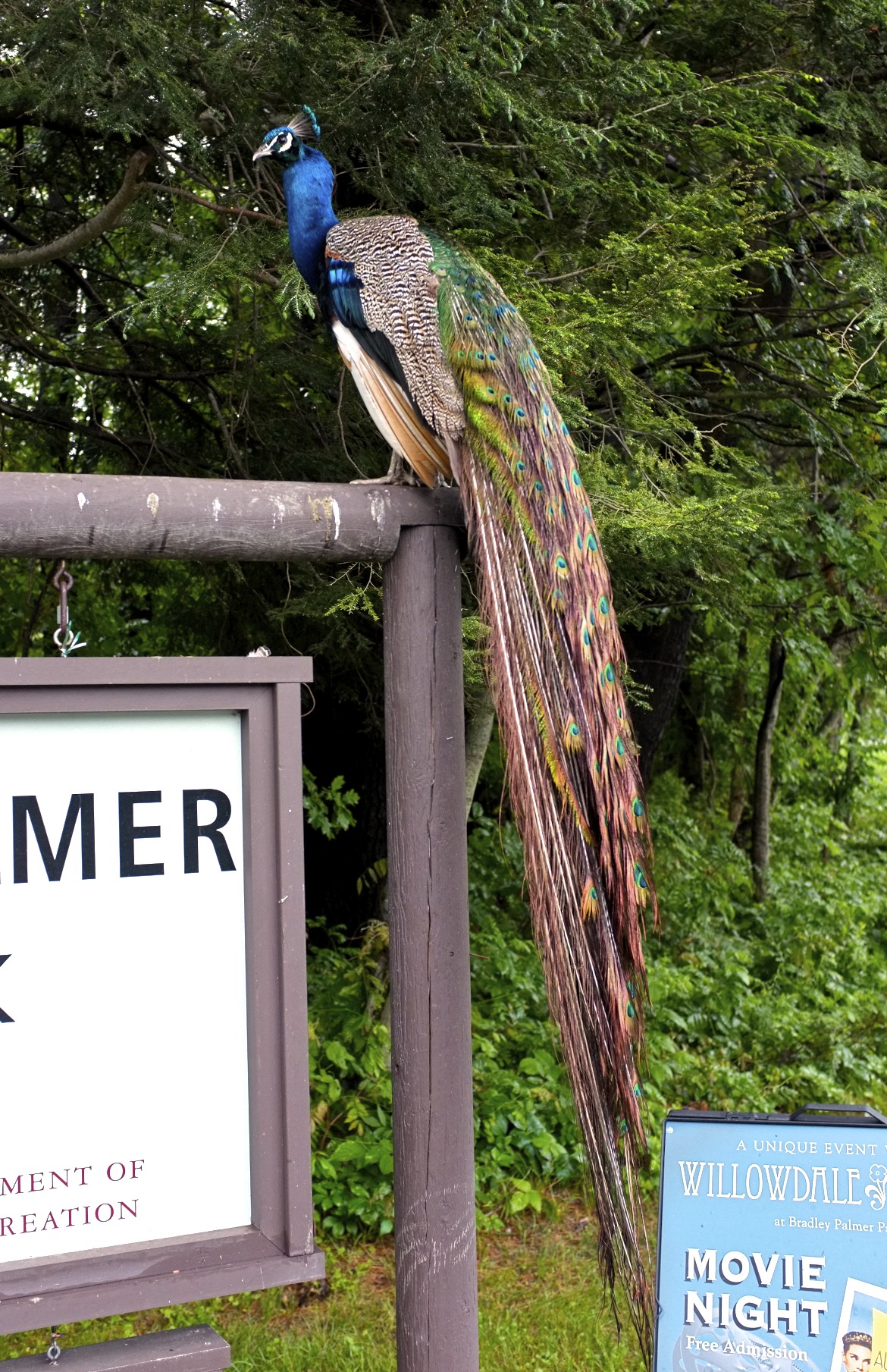
Willowdale Estate Peacock

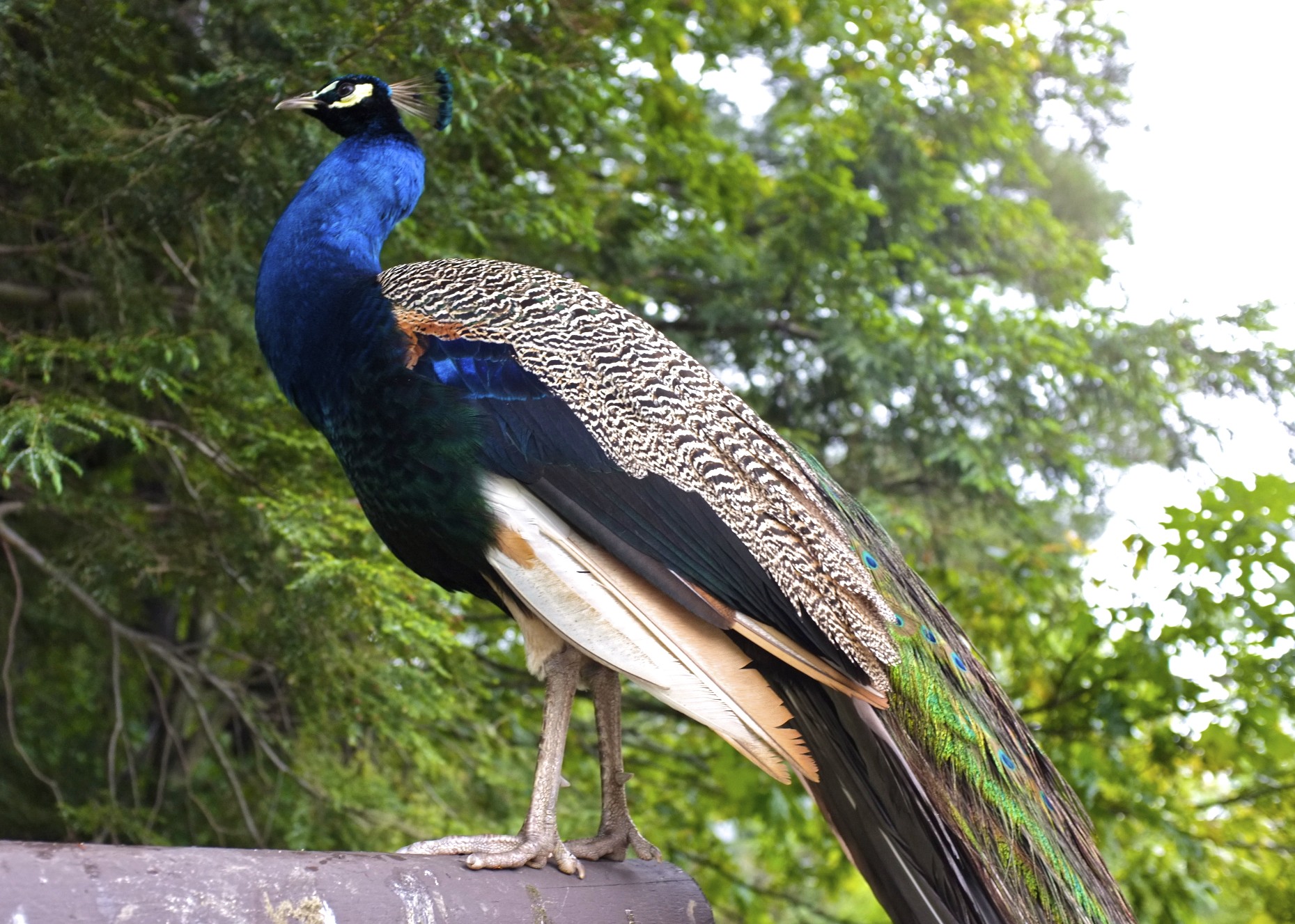
Driving into Willowdale this morning I encountered our neighborhood Indian Blue Peacock. Daily sightings have been reported and the entryway sign is his choice perch. The Fujifilm x100 performed remarkably, despite the lack of sunlight and steady drizzle.

From wiki: Indian Peafowl, Pavo cristatus, a resident breeder in South Asia. The peacock is designated as the national bird of India and the provincial bird of the Punjab. The term peafowl can refer to the two species of bird in the genus Pavo of the pheasant family, Phasianidae. Peafowl are best known for the male’s extravagant tail, which it displays as part of courtship. The male is called a peacock, and the female a peahen. The female peafowl is brown or toned grey and brown.

 Peacock Fujifilm x100

 Peacock Fujifilm x100Peacock Fujifilm x100

More from Eastern Point Garden Tour

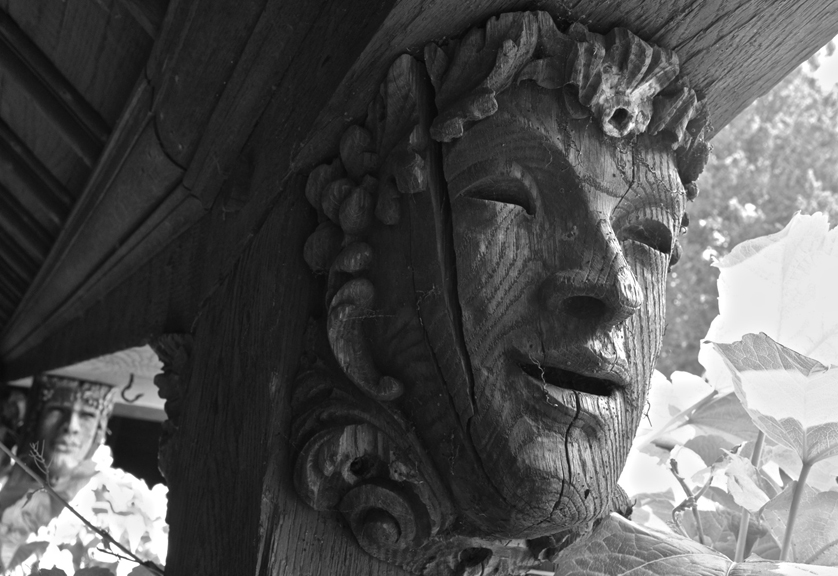
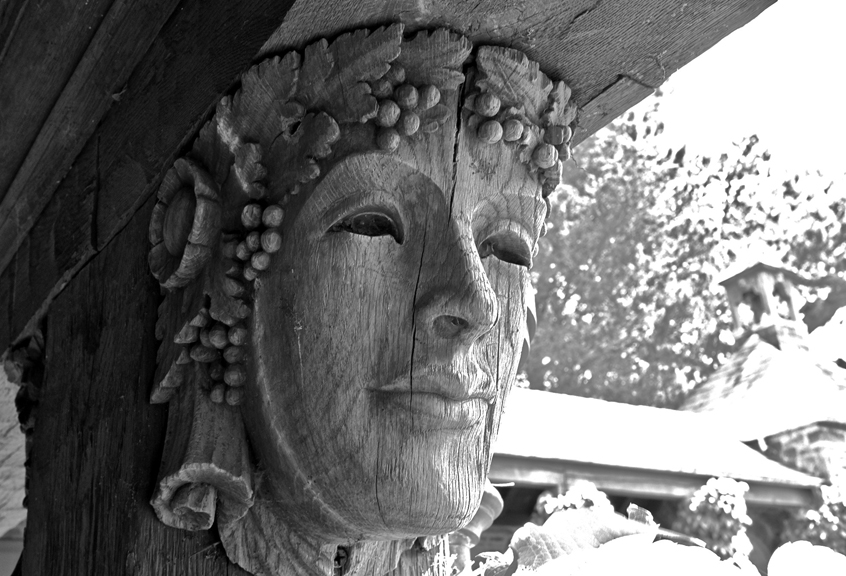
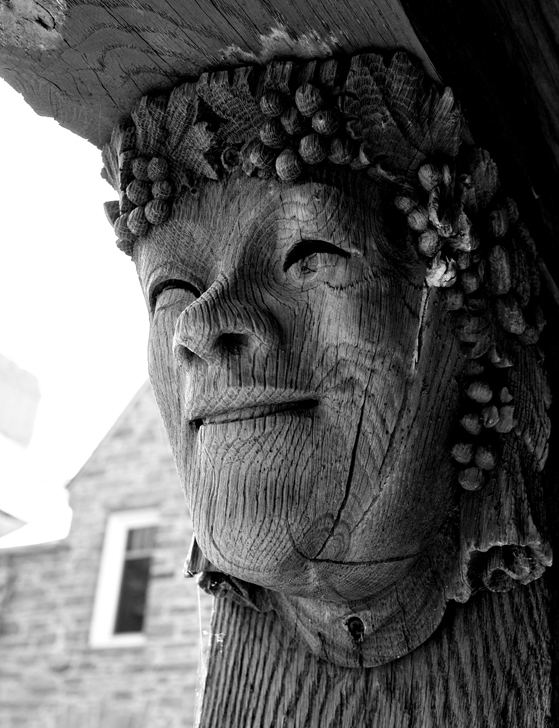
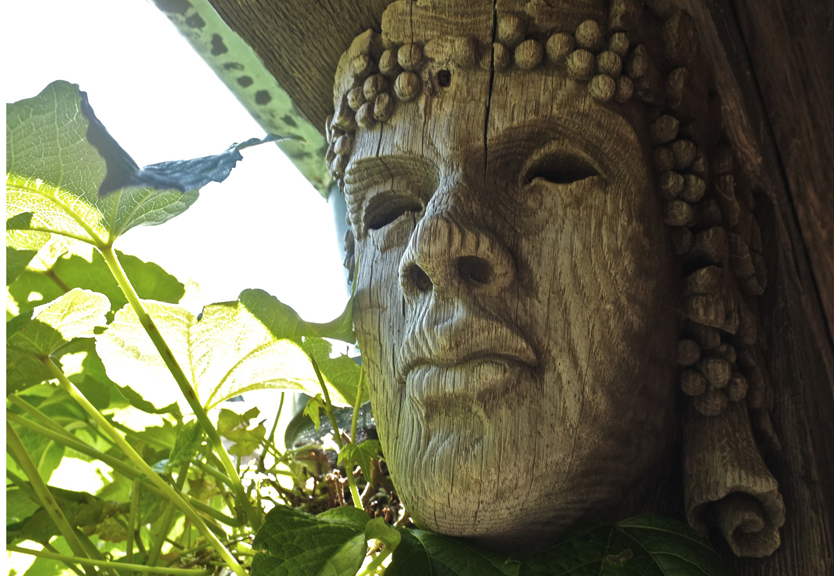
A dozen, or more, carved wooden heads, each unique, adorning the unions where posts meets lintel.Eastern Point Yacht Club Garden Tour

Eastern Point Yacht Club Garden Tour

Eastern Point Yacht Club Garden Tour

Eastern Point Yacht Club Garden TourEastern Point Yacht Club Garden Tour

Snapshots from Eastern Point Yacht Club Garden Tour

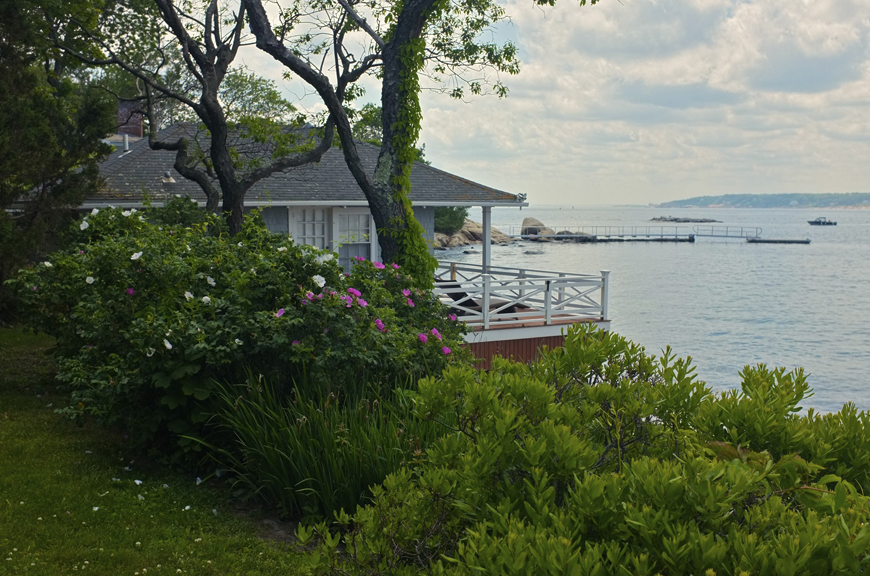
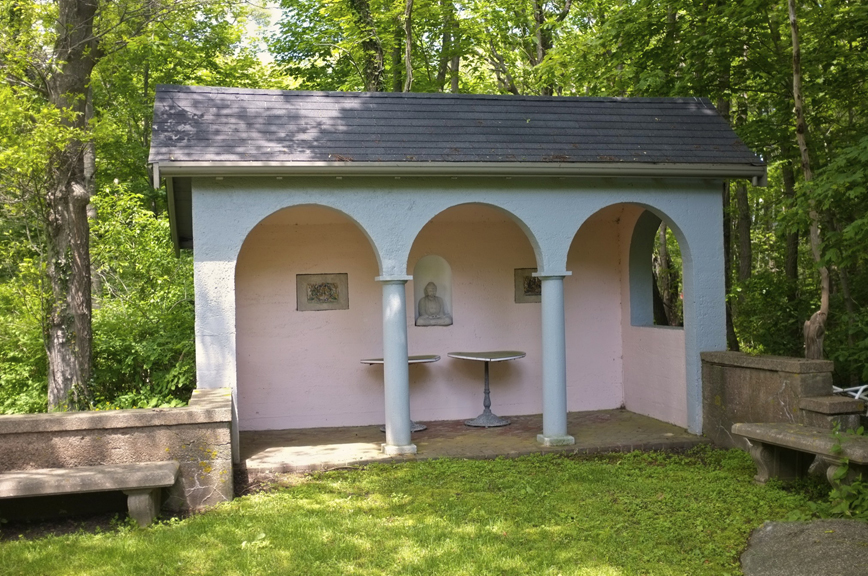
Thank you Good Morning Gloucester blog for posting the flyer for the Eastern Point Yacht Club Garden Tour. I am so wrapped up in work and would have missed it otherwise. I could only get away for the last several hours of the tour and did not get to see all. From what I did see, English cottage garden and English country manner is the dominant style, with a heavy reliance on plants originating from Europe and Asia. I am always on the look out for design inspiration, particularly a creative and natural use of native plants, however, all the gardens were lovely and beautifully maintained. Often put forth is the argument that older American homes need be planted with popular European and Asian plants in order to maintain historical accuracy. Many of the estates along Boston’s North Shore were built during the period of the late 1800’s through the first several decades of the 20th century, when in fact, a great passion for native plants and wildflowers, and their use in the landscape, developed amongst home owners and landscape professionals alike.

Eastern Point Yacht Club Garden Tour Gloucester MA

Eastern Point Yacht Club Garden Tour Gloucester MA

Eastern Point Yacht Club Garden Tour Gloucester MA

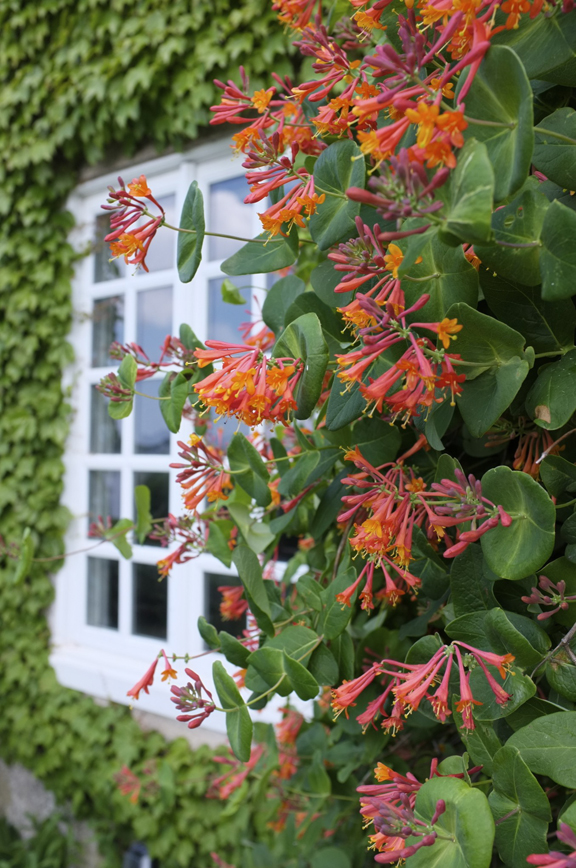
Lonicera 'Firecracker' Eastern Point Yacht Club Garden Tour Gloucester MAThis beautifully growing and vigorous specimen of native Lonicera ‘Firecracker’ is a wonderful hummingbird magnet

Eastern Point Yacht Club Garden Tour Gloucester MA

Eastern Point Yacht Club Garden Tour Gloucester MA

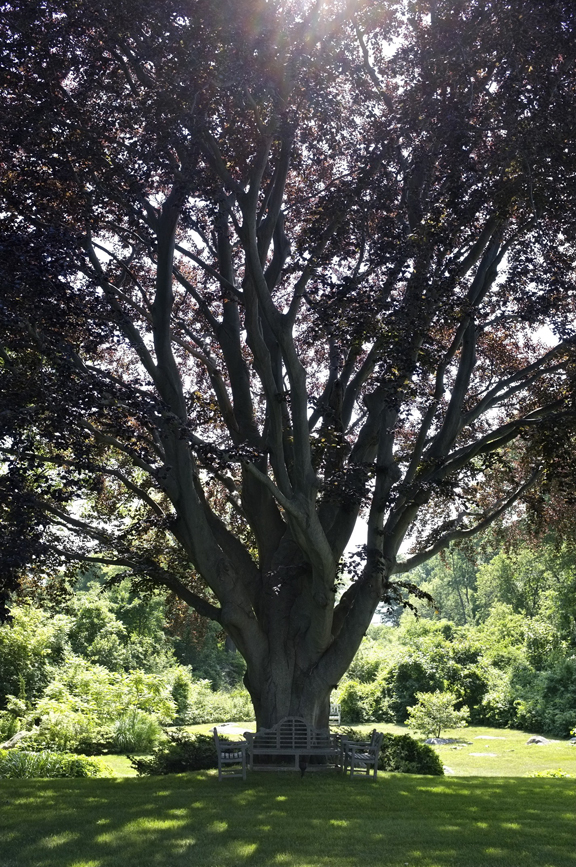
Eastern Point Yacht Club Garden Tour Gloucester MAEuropean Copper Beech

Native Buzz

Native Buzz: Creative Container Gardening for Pollinators Opens at Garden in the Woods

Native Buzz: Container gardening at Garden in the Woods

Fifteen exhibits are placed along the Curtis Path at Garden in the Woods. Some whimsical, and all educational, each of the fifteen exhibits has a distinct concept and use of containers that hold the plants, which attract pollinators, including bees, butterflies, and hummingbirds.

Native Buzz: Creative Container Gardening for Pollinators runs at Garden in the Woods, 180 Hemenway Road, Framingham, MA, through August 31, 2011, Tuesday through Sunday and holiday Mondays from 9 a.m. to 5 p.m. Admission fees for adults (18-64) $10, seniors (65+) $7, youths (3-17) $5. Guided walking tours are offered Tuesday through Friday and holiday Mondays at 10 a.m. Weekend guided walking tours are given at 2 p.m. For more information see Native Buzz.

Hibiscus moscheutos, Crimson-eyed rose mallow, rose mallow, swamp mallowHibiscus moscheutos

Hibiscus moscheutos, with many common names–Crimson-eyed rose mallow, swamp mallow, and rose mallow–makes a long-blooming and gorgeous container plant when kept well-watered and well-fed. With luscious blossoms in pure white, rose red, and shades in-between, nearly all have an eye of deepest red. Popular during the Arts and Crafts period, Hibiscus mosheutos has had a wonderful resurgence with today’s gardeners. It occurs naturally in the east in swamps and marshes, from Massachusetts to Michigan and south to Florida  and Texas,

The mission of New England Wild Flower Society is to conserve and promote the region’s native plants to ensure healthy, biologically diverse landscapes. Founded in 1900, the Society is the nation’s oldest plant conservation organization and a recognized leader in native plant conservation, horticulture, and education. The Society’s headquarters, Garden in the Woods, is a renowned native plant botanic garden in Framingham, Massachusetts, that attracts visitors from all over the world. From this base, 35 staff and more than 1,000 volunteers work throughout New England to monitor and protect rare and endangered plants, collect and preserve seeds to ensure biological diversity, detect and control invasive species, conduct research, and offer a range of educational programs.

Fujifilm x100 Flower Power!

Rocky Neck Dooryard GardenRocky Neck Dooryard Garden

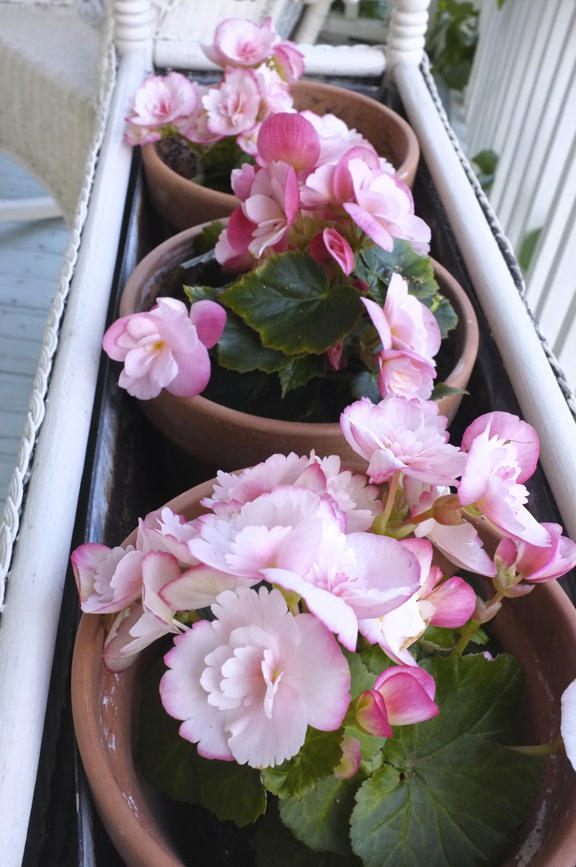
Porch Begonias Fujifilmx100Porch Begonias

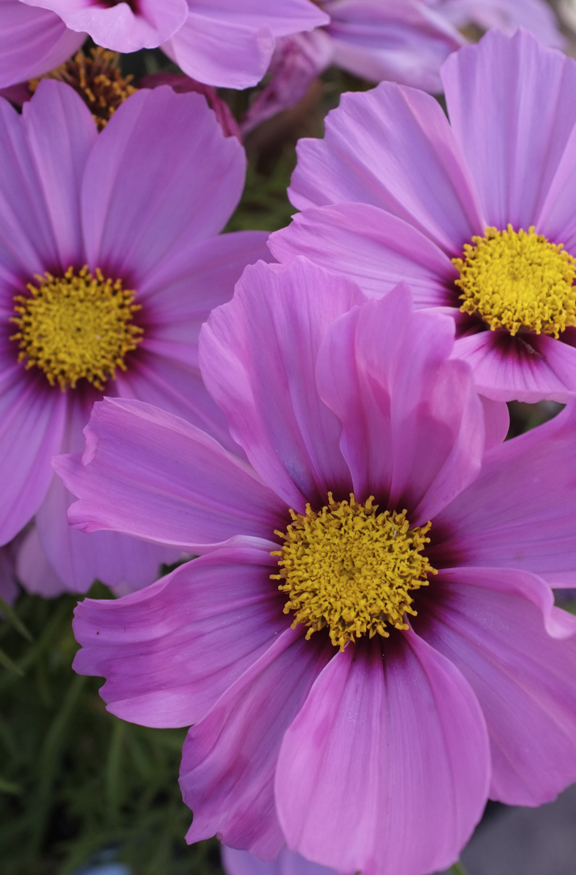
Cosmos bipinnatusCosmos bipinnatus

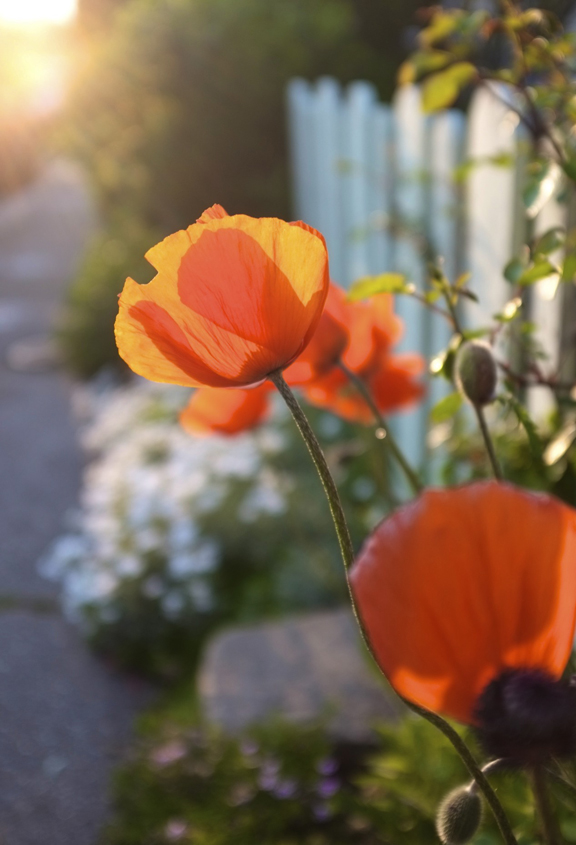
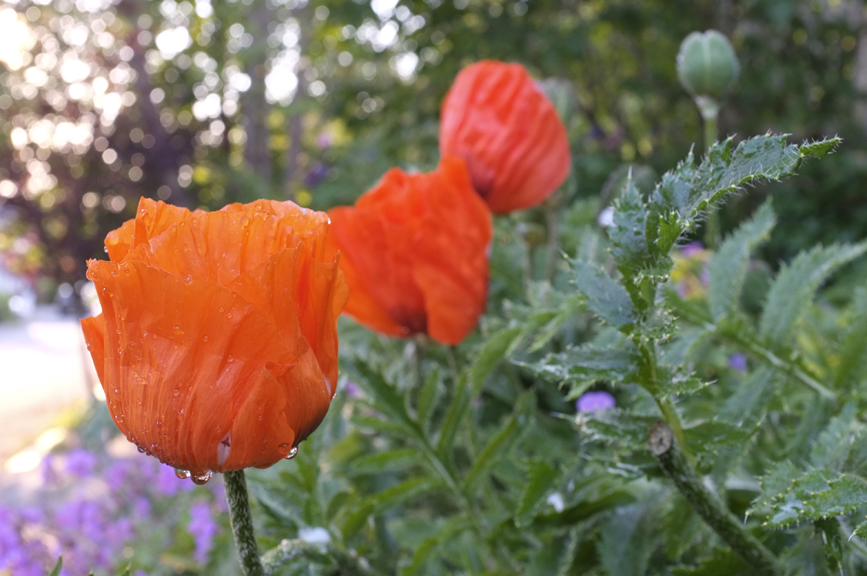
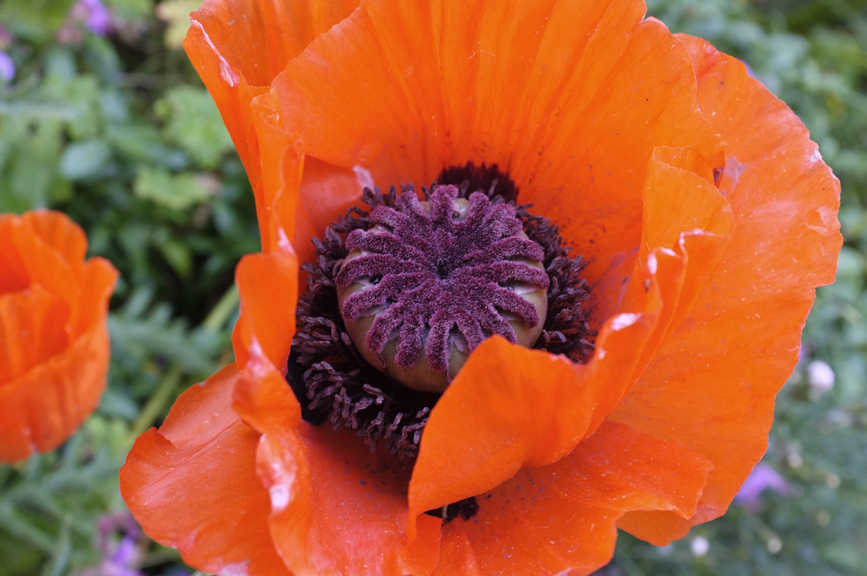
Fujifilm x100 Oriental Poppy (Papaver orientale)Oriental Poppy (Papaver orientale)

Oriental Poppy (Papaver orientale) Fujifilm x100


Lilac Cuture

Lilacs are found growing (where winters are cold enough to afford proper growth and ample blossoms) from the smallest rural village to the urban courtyard. They grow the very best in zones 3, 4, and 5, in the colder regions of zones 6 and 7, and in the warmer regions of zone 2. They will tolerate temperatures of -35 to -40f, though they may suffer some damage from windchill. If temperatures dip to such extreme cold in your region, site the lilac out of the path of chilling winter winds. Lilacs will tolerate frozen ground but not frozen pockets where water does not drain properly. Requiring excellent drainage, they grow best along rocky, limestone hillsides, suggesting just how important good drainage is. When planted in a mesic site, lilacs flower adequately, although, by late summer the foliage may wilt and turn moldy.

Syringa vulgaris President GrevySyringa vulgaris ‘President Grevy’

Lilacs perform best in sandy, gravelly loam mixed with organic matter such as compost and aged manure. Keep the surrounding soil free from weeds with an annual mulch of compost. In early spring sprinkle a cup of wood ashes around the base of the lilac and work it gently into the top layer of soil. Every three years or so apply a cup of ground limestone to the soil, again gently working it into the soil so as not to injure the roots.

Lilacs require full sun to nearly full sun to set flower buds. Where optimal sunlight isn’t always available, one may have some success with pushing the envelope. We are growing lilacs in several locations in half sun, and although they would be fuller in form with far more flowers, all are growing well.

The overall shape of lilacs is greatly improved with an annual pruning. Immediately after flowering is the ideal time to attend to this not unpleasant task. The job becomes less manageable as the shrub grows tall and leggy in a few short years.

After the lilac has become established and is a desirable size and shape, cut to the ground approximately one third of the oldest branches and thinnest suck- ers. This allows the bush to renew itself and for the energy of the bush to go into the remaining growth. Leaving the strongest trunks that form the armature of the shrub, prune diseased or pest-infested shoots or branches, and remove all declining stems, thin suckers, and small, twiggy branches. Some lilacs produce suckers rarely, if at all, and others sucker aggressively. Remove all spent flowers immediately after blooming, snipping very close to the tail end of the panicle so as not to remove the new growth that will provide you with next year’s flowers.

If you are growing lilacs as a background shrub or as a small tree, allow only two to three main stems as trunks, removing lower branches and cutting all other shoots to the ground. ’Beauty of Moscow’, ‘Madame Florent Stepman’ and the common lilac, both var. purpurea and alba, are all well suited for growing into a small multi-stemmed tree. Conversely if you do not want your lilac to become a tree, prune to a height of eight to nine feet, which keeps the blossoms at eye level.

Pagoda dogwood (Cornus alternifolia)Natives Pagoda Dogwood (Cornus alternifolia) and Catawba Rhododendron (Rhododendron catawbiense)

Pagoda dogwood (Cornus alternifolia)The small florets of  the pagoda dogwood are a bee-magnet.

With its versatile form and lovely heart-shaped leaves the lilac is an exceptional companion to a wide range of flowering trees and shrubs. The extended period of florescence a well-planned lilac hedge provides coincides with the long flowering period of our native pagoda dogwood (Cornus alternifolia) and Catawba rhododendrons. Just as the Sargent crabapple (Malus sargentii) is at its flowering peak, with masses of sublimely scented white blossoms, the earliest lilacs begin their fragrant parade. In our garden, the blossoms of Prunus, namely peach, pear and plum, overlap with the flowering of ‘Beauty of Moscow,’ ‘Maidens Blush,’ and ‘President Grevy.’ They are planted in close vicinity along the garden path. The newly emerging fragrant blossoms of Prunus interwoven with the pervasive perfume of lilacs give The Scent of All Spring!

Lilacs are one of the loveliest shrubs to grow as a tall hedge, and they integrate magnificently into the country hedge of mixed shrubs and trees. The ineffable beauty and fragrance of lilacs are enhanced by the many varieties of suitable companion plants. The short list of plants described here is particularly appealing during the lilac’s period of flowering, for their compatible scents, colors, and foliage or for creating a sequentially blooming combination of fragrances. ‘Korean Spice’ viburnum, nearing the end of its florescence while the lilacs are beginning theirs, blooms in pink infused white, snowball shaped flower heads, with an intensely sweet and spicy aroma. Variegated Solomon Seal, Viola ‘Etain,’ late-season jonquils and narcissus, and lily of-the-valley all bloom simultaneously with early lilacs. The most sublimely scented tree peony ‘Rockii,’ with white petals washed with pale rose, and magenta-purple splotches at its heart center, also flowers during lilac time. Later in the season, to coincide with later-flowering lilacs, come the Iris pallidaIris germanica, and native Iris versicolor, English bluebells, early species daylilies with their honey-citrus scent, ‘Bridal Wreath’ spirea, blue and white columbine ‘Origami,’ and white bleeding hearts (Dicentra spectabilis ‘Alba’). Although not at all fragrant, I find the warm, rich yellow color of native honeysuckle Lonicera ‘John Clayton’ particularly appealing with the white and cool blue-lavender-hued lilacs. Just as ‘Therese Bugnet,’ the earliest of roses to flower (with its Rugosa heritage) joins the scene, the lilacs are finished for the season. Lilacs, when pruned to a small tree shape, allow a variety of plants to grow happily at their feet. Herbaceous peonies, although their blooming period usually does not coincide with lilacs, make an ideal garden companion. In our yard, Paeonia lactiflora follow lilacs almost to the day in order of sequential blooming. The dense, full mounds of foliage of the herbaceous peonies visually fill the space left by the trunk of the lilacs, as do hosta. The foliage of hosta, planted on the shady side, makes a companionable partner. Hosta will appreciate the filtered sun and both plants benefit from an annual blanket of compost. Species daylilies, Montauk daisies, and chrysanthemums are ideal companions when planted on the sunnier side of lilacs.

Lonicera ‘John Clayton’

Spring never lasts long enough in New England, with some years leaping from bitter cold to balmy, summer-like temperatures. Despite freezing rain and late spring snow, lilacs bloom and bloom resplendently. For the extended period of time in which the spires of sweet florets are in bloom, our garden is redolent with their heavenly fragrance. The blossoms of Syringa vulgaris, and especially the fragrant sorts, are a nectar source for the Eastern Tiger Swallowtail. The diminutive “violet afloat,” better known by its common name Spring Azure, is captivatingly beautiful floating about the pure white flowers of ‘Marie Legraye.’ Throughout the seasons our lilac hedge is alive with a chattering collection of songbirds. The height and the crooks of the branches are enticing to the innumerable songbirds, though it is the cadmium orange oriole alighting on the blue-hued spires of ‘President Grevy’ that causes the heart to skip a beat.

End Notes: Occasionally one must dig a bit deeper to find the value of a plant in relationship to pollinators for the landscape designed for people and wild creatures. First and foremost a garden should be an inviting habitat for the people who dwell there. What better way to create an invitation than with the beauty and fragrance of the lilac? Although not native to North America, lilacs (Syringa vulgaris) are celebrated in this country as they are part of our cultural heritage. From cuttings tucked into belongings, the earliest settlers connected their previous home to their home of new beginnings. The ease in which lilacs are cultivated is famous and testifies to their success and popularity. At a lecture I attended not too long ago, an example of a white oak, which supports nearly one hundred species of Lepidoptera, was compared to the lilac, which is known to support just twenty-five. From a gardener’s perspective that is like comparing apples to oranges. Very few have space enough to grow an 80-foot-tall white oak, whereas a ten-foot-tall and easily cultivated lilac can find a place in nearly any garden. Besides, twenty-five species of Lepidoptera is not bad. Additionally, lilacs are a rich source of nectar for swallowtails. Our native eastern redbud—although stunning, and providing nectar for bees and  hummingbirds—is much more challenging to cultivate and hosts two species of Lepidoptera. Plant what you like, as long as it is not invasive in your particular region. As much as possible, utilize native plants in your garden design and combine with well-investigated and well-behaved ornamentals.

For an expanded version on the history of lilacs, Lilacs the Genus Syringa written by Fr. John L. Fiala is highly recommended. Filled with hundreds of color photographs and including chapters on the culture of lilacs, hybridizing techniques, and propagation, I have turned to this book repeatedly. Fortunately it has been reprinted and is once again available through Timber Press.

Thank you

Dear Gardening Friends,

Come join me this Tuesday, June 7th at Willowdale Estate, from 4:00 to 6:00, for a house and garden tour of this beautiful, and beautifully restored, historic Arts and Crafts manse. Members of the Willowdale staff will be giving guided tours of the house and I will be available to talk about the garden, including how the Arts and Crafts movement influenced our horticultural decisions. Admission is free and the event is open to the public.

Thank you for all the thoughtful comments and praise for last week’s column “The most highly scented lilacs…” Next week I will send you information on lilac culture as this is the ideal time of year to trim and shape your lilacs for maximum blooms next year.

Single flowers of the Common White Lilac

Reader Irma wrote the following: I picked my lilacs at their height. In water, in the vase they lasted 2 days and drooped! Last year the same. I couldn’t believe it. Do you know why?

Hi Irma, Lilacs have woody stems and do not easily absorb water in the vase. Depending on whatever tool is handy, I do one of two things,. With a hammer, crush the stems, at least six inches along the length, and immediately place in a vase filled with tepid or warm water. Over the years I have also discovered that peeling the stems with a vegetable peeler is just as effective, and less messy. Peel away the woody outer layer, all around the stem, again at least six inches up the stalk (peel down to green). Still, even with treating the stems, the arrangement will be fleeting and only look beautiful for several days. The scent of the lilacs permeating throughout your home is worth the extra effort!

Beauty of Moscow lilacDouble-flowered ‘Beauty of Moscow’

Many wrote last week to say they enjoyed the excerpt from Amy Lowell’s gorgeous poem Lilacs. Here it is in entirety:

Lilacs

Lilacs,
False blue,
White,
Purple,
Color of lilac,
Your great puffs of flowers
Are everywhere in this my New England.
Among your heart-shaped leaves
Orange orioles hop like music-box birds and sing
Their little weak soft songs;
In the crooks of your branches
The bright eyes of song sparrows sitting on spotted eggs
Peer restlessly through the light and shadow
Of all Springs.
Lilacs in dooryards
Holding quiet conversations with an early moon;
Lilacs watching a deserted house
Settling sideways into the grass of an old road;
Lilacs, wind-beaten, staggering under a lopsided shock of bloom
Above a cellar dug into a hill.
You are everywhere.
You were everywhere.
You tapped the window when the preacher preached his sermon,
And ran along the road beside the boy going to school.
You stood by the pasture-bars to give the cows good milking,
You persuaded the housewife that her dishpan was of silver.
And her husband an image of pure gold.
You flaunted the fragrance of your blossoms
Through the wide doors of Custom Houses—
You, and sandal-wood, and tea,
Charging the noses of quill-driving clerks
When a ship was in from China.
You called to them: “Goose-quill men, goose-quill men,
May is a month for flitting.”
Until they writhed on their high stools
And wrote poetry on their letter-sheets behind the propped-up ledgers.
Paradoxical New England clerks,
Writing inventories in ledgers, reading the “Song of Solomon” at night,
So many verses before bed-time,
Because it was the Bible.
The dead fed you
Amid the slant stones of graveyards.
Pale ghosts who planted you
Came in the nighttime
And let their thin hair blow through your clustered stems.
You are of the green sea,
And of the stone hills which reach a long distance.
You are of elm-shaded streets with little shops where they sell kites and marbles,
You are of great parks where every one walks and nobody is at home.
You cover the blind sides of greenhouses
And lean over the top to say a hurry-word through the glass
To your friends, the grapes, inside. Continue reading

The most highly scented lilacs

Surely at the top of the list of shrubs to grow for creating the framework of an intimate garden or garden room are lilacs, in particular Syringa vulgaris and their French hybrids. Syringa vulgaris are grown for their exquisite beauty in both form and color of blossoms, although it is their fragrance flung far and throughout gardens and neighborhoods that make them so unforgettable.

Not all species of Syringa and cultivars of Syringa vulgaris are scented. The early French hybrids and hybrids of Leonid Kolesnikov have retained their fragrance. Syringa oblata has a similar fragrance, though is not nearly as potent. Several of the Chinese species have a spicy cinnamon scent, while many of the Asian species and their hybrids have very little, if any, fragrance. To find your personal preference, I suggest a visit to a local arboretum, or take your nose to the nursery during the extended period of time (six to eight weeks, or so) in which the different cultivars of S. vulgaris are in bloom.

‘Monge’ Lemoine in the foreground

Nearly everywhere lilacs are grown (and here I am only referring to S. vulgaris), they are called by some variety of the word lilac. Perhaps the word lilac stems from the Persian word Lilak or Lilaf meaning bluish. The French say Lilas, the Spanish say Lila, and the Portuguese Lilaz. In old English lilacs were called Laylock, Lilack, and Lilock.

Lilacs are native to and found growing among the limestone rocks on the hillsides and mountainsides throughout southeastern Europe, in the Balkans, Moldavia, Serbia, Macedonia, and Yugoslavia. Cultivated by local mountain herdsmen, they were taken from the peasant villages of central Europe to the garden courts of Istanbul. In 1563, the Flemish scholar and traveler Ogier Ghiselin, Count de Busbecq, Ambassador of Ferdinand I of Austria to the court of Suleiman the Magnificent, brought back to Vienna gifts from the sultan’s garden. Attracting much attention was the lilac. Seven years later, in 1570, Ogier Ghiselin, Count de Busbecq, and then Curator of the Imperial Court Library, accompanied the Archduchess Elizabeth from Vienna to Paris where she was betrothed to King Charles IX of France. Count de Busbecq journeyed to France with a shoot of Syringa vulgaris, where it soon began to fill the gardens of Paris.

Two color variants sprang up in European gardens beside the wild blue- flowered lilac, a nearly white flowered variant with lighter foliage and a taller- growing variant with deeper purple flowers. Hybridizers quickly set about to create different forms and color versions from these two variants.

Victor Lemoine of the famed nursery Victor Lemoine et Fils at Nancy in Lorraine Province continued the work of hybridizing lilacs. From 1878 to 1950, Victor and his wife, their son Emile, and their grandson, Henri, created 214 lilac cultivars. The cornerstone of the Lemoine’s lilac hybridizing program was a nat- ural sport that bore two corollas, one inside the other, making it the first dou- ble. This double was subsequently named ‘Azurea Plena.’ Because of the Lemoine family’s success in turning ordinary lilacs into fancy double-flowered lilacs in nearly every hue imaginable, they became known as the “French lilacs.” Spreading throughout Europe, the French lilacs were brought to the Russian court by French travelers. Well suited to the soil and climate of Russia, they soon spread far and wide. Several decades later, the Russian hybridist Leonid Kolesnikov continued the successful work of the Lemoines with his own exquisite variants.

‘Beauty of Moscow'  ‘Krasavitsa Moskvy’ ‘Krasavitsa Moskvy’ translated to ‘Beauty of Moscow’ Leonid Alexseevitch Kolesnikov Hybrid

The French and Dutch colonists transported lilacs to North America. These cherished cuttings, wrapped in burlap and wet straw tucked into suitcases for the long journey across the Atlantic, traveled well and were soon growing throughout the colonies. By 1753 the Quaker botanist John Bartram of Philadelphia was complaining that lilacs were already too numerous. One of two of the oldest col- lections of lilacs in North America are at the Governor Wentworth home in Portsmouth, New Hampshire, planted by the governor in 1750. The second collection, perhaps one hundred years older, is at Mackinac Island in Michigan, where French Jesuit missionaries living in the area are thought to have planted them as early as 1650.

With their traveling fragrance, versatility in the landscape, and their ability to live tens, perhaps even hundreds of years, lilacs are garden heirlooms. When selecting lilacs to grow for creating the framework of the garden, take the time to choose wisely. Some lilacs grow readily into a tree shape (‘Beauty of Moscow’), while others are somewhat relatively lower growing cultivars; ‘Wedgwood Blue’ comes to mind, and still others, the common white lilac (Syringa vulgaris var. alba), sucker more freely. And bear in mind that different lilacs bloom over an extended period of time. If you wish to have a blue lilac blooming simultaneously with a white lilac, then it is worthwhile to determine whether a specific cultivar is an early, mid, or late season bloomer. The following is a selection of lilacs growing in our garden, arranged in their sequential progression of flowering, with considerable overlapping. They are all highly scented or we wouldn’t grow them. The last photo below shows the different colors in lilac blossoms of white, pink, blue, lavender, magenta.

Maiden's BlushSyringa x hyacinthiflora ‘Maiden’s Blush’

S. x hyacinthiflora ‘Maiden’s Blush’ (1966) Skinner ~ Single, pale rose pink; shows different colors of pink under different soil conditions. In a warmer climate and lighter soils it is a paler shade of pink, in heavier soils ‘Maiden’s Blush’ has more lavender undertones.

‘Krasavitsa Moskvy’ translated to ‘Beauty of Moscow.’ Leonid Alexseevitch Kolesnikov (1974) ~ Double, lavender-rose tinted buds opening to white-tinted pink. Grown throughout Russia. Vigorous upright habit, useful for growing into a tree-shape. Very extended blooming period.

Syringa vulgaris var. purpurea. Common purple lilac ~ Lavender, the wild species seen growing throughout its native land. The common purple is the most widely distributed form of lilac. The lilac of old gardens.

‘Wedgwood Blue’ John Fiala (1981) ~ Hanging panicles of beautiful true blue florets. Lilac-pink hued buds. Somewhat lower growing.

‘Madame Florent Stepman’ (1908) ~ Satiny ivory white florets from rose- washed buds. Pure white when fully opened. Tall and upright growing. One of the most extensively cultivated for the florist trade.

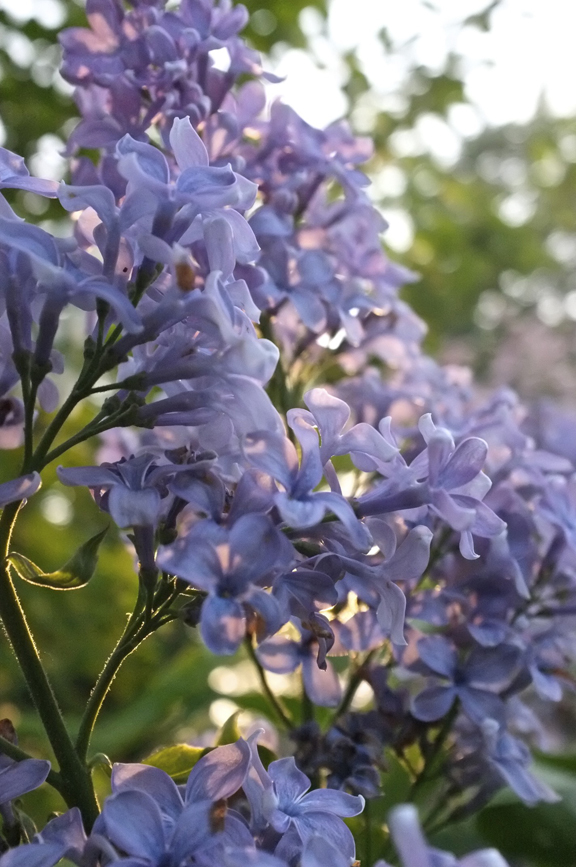
‘President Grevy’ Lemoine (1886) ~ Pure blue, immense panicles of sweet starry florets.

‘Marie Legraye’ (1840) ~ Single, diminutive florets, radiant white, lighter green foliage.

‘Monge’ Lemoine (1913) ~ Vivid, intense plum wine fading to deepest rose.

‘Andenken an Ludwig Spaeth’ Nursery of Ludwig Spaeth (1883) ~ Single, rich purple-violet with a smaller pointed-head panicle.

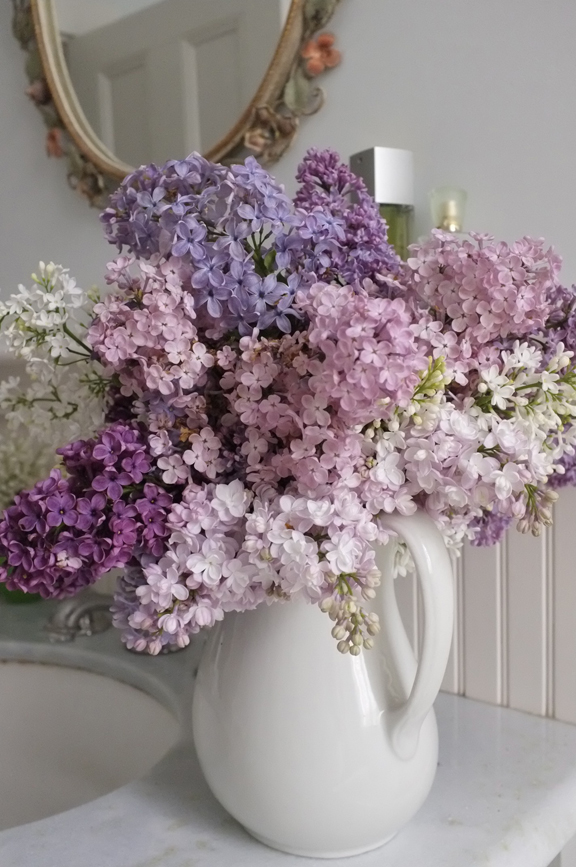
Lilac bouquetClockwise from upper right: Pale pink ‘Maiden’s Blush,’ common white, double-flowered ‘Beauty of Moscow,’ ‘Monge,’ common white, ‘President Grevy’ (blue), and common purple.

Above excerpt from Oh Garden of Fresh Possibilities! Notes from a Gloucester Garden (David R. Godine, Publisher), written and illustrated by Kim Smith.

More on Lilac Culture in the next post.

Wedgwood Blue Lilac

Syringa vulgaris 'Wedgwood'Syringa vulgaris ‘Wedgwood’

Lilacs,

False blue

White

Purple,

Colour of lilac.

Heart-leaves of lilac all over New England,

Roots of lilac under all the soilof New England,

Lilacs in me because I am NewEngland,

Because my roots are in it,

Because my leaves are of it,

Because my flowers are for it,

Because it is my country

And I speak to it of itself

And sing of it with my own voice

Since certainly it is mine.

—from Lilacs by Amy Lowell (1874–1925)


C’est la Vie! at Willowdale Estate

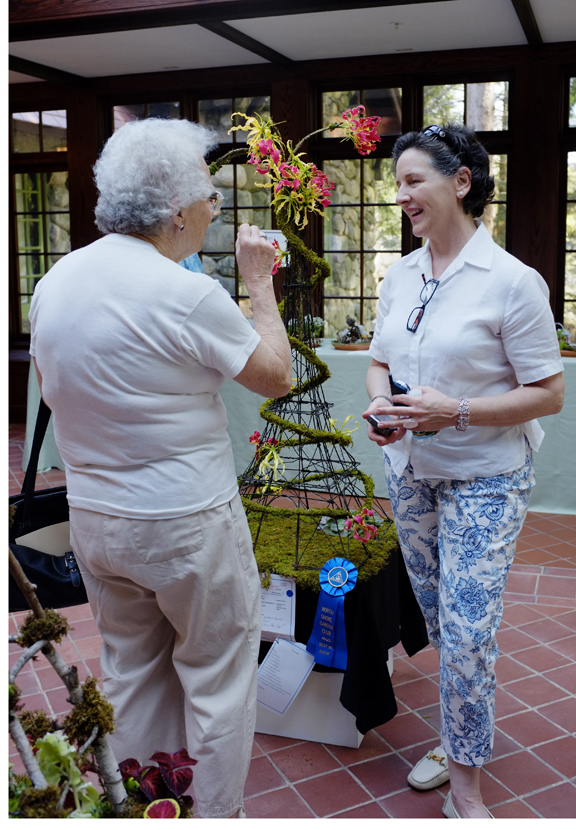
Congratulations North Shore Garden Club and Willowdale Estate for a fabulously successful show! 

C'est la Vie! at Willowdale Estate

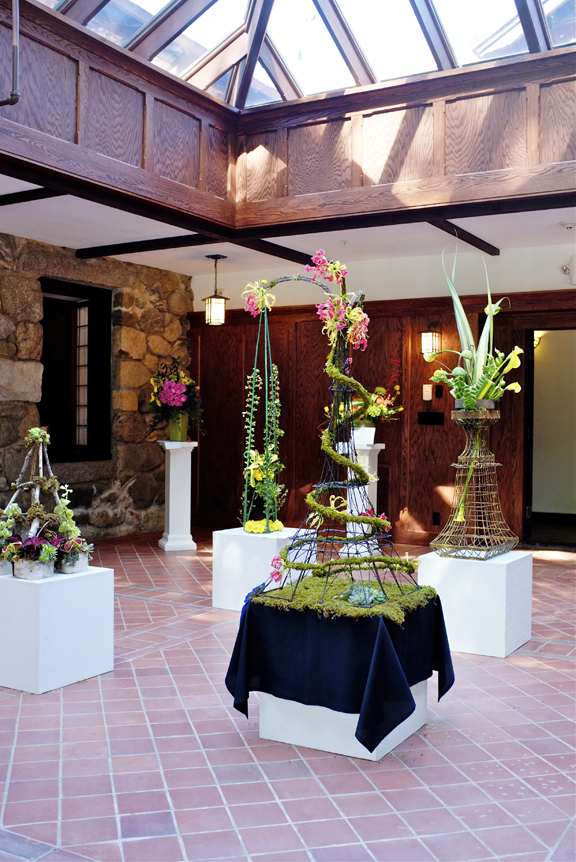
A wonderful time was had by all and Willowdale looked gorgeous. The expert hands of seasoned event organizers Helen Glaenzer (North Shore Garden Club president) and NSGC event co-chairs Susan Barry, Didi Blau, and Cathy Ebling were in evidence throughout with their beautiful design touches and thoughtfully presented exhibits.

C'est la Vie! at Willowdale EstateBest in Show ~ created by Cathy and Helen 

Many thanks to the staff at Willowdale–Emily, Lenna, Chef Joe, Dale, Sarah, Greg, and James– to name only a few of the hardworking crew that makes Willowdale sing. The new conservatory is exquisite and will allow Willowdale to host larger events throughout the four seasons. Stunning light was cast from the conservatory skylight, illuminating the exhibits beautifully.

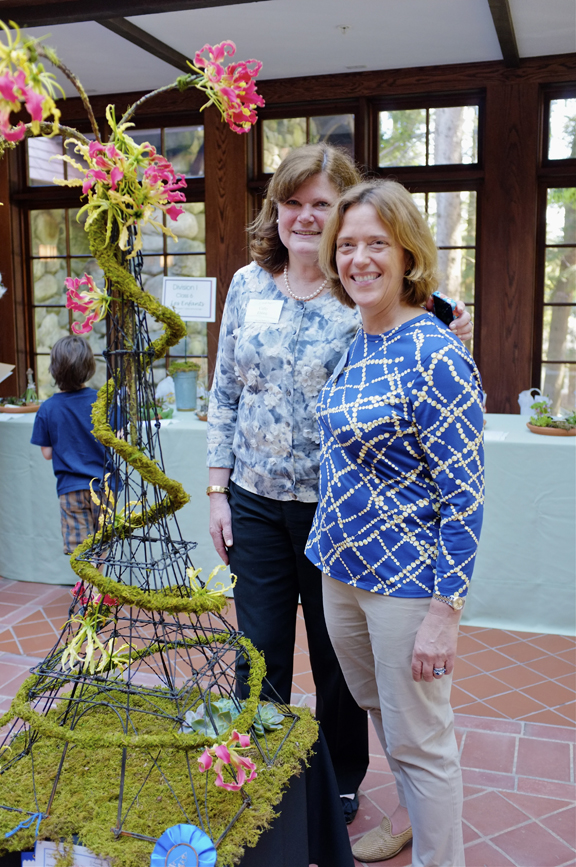
C'est la Vie! at Willowdale Estate 'Best in Show'“I Love Paris in the Springtime” ~ The Eiffel Tower wrapped in a swirl of Gloriosa lily ‘Fireworks’

Willowdale Estate North Shore Garden Club C'est la Vie

Willowdale Estate North Shore Garden Club C'est la Vie

Willowdale Estate North Shore Garden Club C'est la VieWillowdale Estate North Shore Garden Club C'est la Vie

Willowdale Estate North Shore Garden Club C'est la Vie

Monarch Butterflies Mating

In organizing my Monarch book proposal to send to a friend, who has a friend who publishes children’s books, I am sorting through my illustrations. This painting was completed at the end of summer last and illustrates a male Monarch (above) and female (below) ascending towards a maple tree during their mating flight. He carries her and together they stay joined, abdomen to abdomen, for several hours–truly a beautiful thing to observe.

Monarch butterflies mating Ascending - Pages 22-23

I lay down on the ground under a neighboring maple tree and sketched while looking up into the canopy. This is what I imagine the leaf net canopy looks like to the Monarchs as they ascend into the trees.

PLANT MILKWEED AND YOU, TOO, WILL HAVE MONARCHS MATING IN YOUR GARDEN!!

Milkweed is the food plant of the Monarch caterpillars. I often observe females drinking nectar from the milkweed blossoms one moment and the very next, depositing an egg on the underside of a freshly unfurled leaf, near the top of the plant. We observe the greatest numbers of caterpillars on the foliage of Common Milkweed (Asclepias syriaca) and  Marsh Milkweed (Asclepias incarnata).

Cat’s Eye Sunglasses

Everything old is new again–it’s a girl-thing in our family–we just can’t get enough of those cat’s eye sunglasses! Looking through family snapshots inspired this posting. I wish I could locate an old photo my mom has of she, my two sisters, and me in our matching leopard print bathing suits, with coordinating cat’s eye sunglasses…

My mom in her cat eyes, guessing 1964, Central Park with brother Billy in the stroller, sisters holding the stroller, and me in front.

Kim SmithMe, twenty years later, at a friends opening on Newbury Street and wearing my Alain Mikli’s

Liv Hauck

Liv in her new sunnies-she convinced me to purchase a pair, too. Beautiful vintage-inspired “Annette” cat’s eye sunglasses by Corrine McCormick.

Where to Place Your Hummingbird Feeders

Another great hummingbird question from my friend Kate:

Where do you place the feeders? Are they okay out in the open and, if so, do the hummingbirds become too nervous to feed if they can be seen by birds of prey?

Ruby-throated Hummingbirds prefer feeding at a station where they perch and observe the landscape, and then zoom in. Typically, I recommend hanging the feeders on the lower limbs of trees and on shepherd’s hooks close to shrubs and above perennial wildflowers, about four to five feet off the ground.  I haven’t read or heard too much about birds of prey in regard to hummingbirds; they move too fast, however, bluejays are said to attack nestlings. House cats and praying mantis pose a more serious threat to hummingbirds.
Native Honeysuckle Lonicera 'Dromore Scarlet'Native Honeysuckle Lonicera ‘Dropmore Scarlet’
The greatest threat to hummingbirds is development resulting in loss of habitat and nectar-rich wetland plants. By placing hummingbird feeders in the garden during the months when little nectar is available (April, May, and October), creating habitats in our backyards, and planting their preferred nectar-rich wildflowers help mitigate the loss of hummingbird habitat, and greatly increases their chance of survival.

My Workshop at Tower Hill Botanic Garden this Sunday, May Day

Come join me this Sunday at 1:00 at the Tower Hill Botanic Garden in Worcester for the perfect May Day event–How to Create a Butterfly Garden. Pre-registration is required:

Monarch Butterflies Nectaring at Smooth AstersMonarch Butterflies Nectaring at Smooth Aster

I will be presenting the necessary elements to help you create a beautiful and welcoming haven for butterflies. Once you begin to think about your garden as food source and shelter, it will influence all your horticultural decisions. Native and well-behaved non-native plants, along with examples of architectural features, will be discussed based on their value to attracting specific butterflies. This lecture and slide presentation will help you gain a deeper understanding of the interconnected world that we human beings share with plants and butterflies and how to translate that information to your own garden. Butterfly gardening plant list included with workshop.

From wiki: The Floralia, also known as the Florifertum, was an ancient Roman Festival dedicated to Flora the goddess of flowers and vegetation. It was held on the IV Calends of May, April 27 to May 3, and symbolized the renewal of the cycle of life, marked with dancing, drinking, and flowers. While flowers decked the temples, Roman citizens wore colorful clothing instead of the usual white, and offerings were made of milk and honey to Flora.

Maurice Prendergast May Day Central Park 1901Maurice Prendergast May Day Celebration Central Park 1901

AND

May Day is synonymous with International Worker’s Day and Labour Day. Read Howard Fast’s May Day – 1947, well-worth revisiting with the continued and increasing efforts to destroy organized labor.

Howard Fast May Day 1947 Rockwell KentRockwell Kent

Recommended Hummingbird Feeders

From my friend Kate in Tiverton, Rhode Island–I cant bear plastic but this seem to do the trick. Ive seen hummingbirds hover angrily here and gesture “Where’s the Feeder!!!!!!??????” I’ll have to get one this year! What do you recommend? XO

Hi Kate, My two favorite hummingbird feeders, both purchased from the Duncraft website, are the Four Flower Frolic Feeder (see previous post) and the Humm Zinger. My sister-in-law, whose old farmhouse property is approximately the same size and shares many similar characteristics to yours (including an inviting front porch), also has both these feeders. Hers are placed about twenty feet apart, adjacent to the porch. When sitting on the porch at nearly anytime throughout the day, whether having morning coffee or dinner and drinks in the evening, the “hummingbird alley” provides enchanting entertainment. And both feeders are super easy to clean.

Humm Zinger Feeder

Stay tuned for more about what to plant to attract and sustain the Ruby-throated Hummingbirds. This snapshot of our patio garden was taken in late summer and all in bloom pictured are wonderful hummingbird attractants. It is a delight to see the hummers make their thrice daily rounds from one flowering plant to the next, hovering and nectaring simultaneously.

Flowers for Ruby-throated HummingbirdsDipladenia, Bougainvillea, Fuschia Gartenmeister Bonstedt, Hibiscus moschetos, and Phlox ‘David’

Gloucester Garden Club

Beauty on the Wing ~ Life Story of the Monarch Butterfly

In preparing for my upcoming presentation to the Gloucester Garden Club, Wednesday, April 13th, I am discovering new images shot last summer. The photo shows a freshly emerged Monarch clinging to its chrysalis, with crumpled wet wings yet to fully expand. Butterflies Days can’t get here soon enough! Later in the afternoon we will be attending Ellen Lefavour’s art opening and book signing for Did you Know at Alchemy of Art Gallery. I hope to see you there.

Monarch Emerging from ChrysalisMonarch Butterfly Newly Emerged from Chrysalis

Butterflies of Massachusetts

Dear Gardening Friends,  I wanted to share with you a fabulous new resource, the Butterflies of Massachusetts website. Created by Sharon Stichter, Butterflies of Massachusetts “offers a comprehensive review of the current status of butterflies in the state. It is designed as a resource for all those interested in these charismatic insects, including butterfly enthusiasts, conservationists, biologists, land managers, and wildlife professionals.”  I find the Species List particularly useful for learning more about the earliest recorded sightings of Massachusetts’s butterflies, frequency and distribution, and caterpillar hostplants. My readers residing outside of Massachusetts but along the East Coast will find the information on the Butterflies of Massachusetts website nearly equally as valuable. Ecologically speaking, the Appalachian Mountains and Atlantic coastal plain are largely self-contained, allowing unrestricted north-south movement of individual butterflies and migratory populations. The information found on the new Butterflies of Massachusetts website represents many years of data compiled by Sharon Stichter and the Massachusetts Butterfly Club.

Joe-pye Weed and Eastern Tiger SwallowtailJoe-pye weed and Tiger Swallowtail

Sharon graciously agreed to speak with me about creating Butterflies of Massachusetts and how her passion for butterflies, particularly the butterflies and skippers of Massachusetts, has evolved. She was first drawn to butterflies through gardening at her summer home in Newbury, Massachusetts. Her husband is a landscape architect and together they developed and continue to cultivate their expansive garden abutting the Parker River National Wildlife Refuge. After retiring from her teaching position of thirty-five years as Professor of Sociology at the University of Massachusetts, Sharon joined the Massachusetts Butterfly Club. She very much enjoys hiking in nature with fellow club members and finding beautiful living creatures.

The following are just some of Sharon’s favorite flowers for attracting butterflies (listed in no particular order): spicebush (Lindera benzoin), pussytoes (Antennaria plantaginifolia), Joe-pye Weed (Eupatorium fistulosum), butterfly bush (Buddleja davidii), gayfeather (Liatris spicata), dill (Anethum graveolens), flat-leaf parsley (Petroselinum crispum var. neapolitanum), cardinal climber (Ipomoea x multifida), Spanish flag (Ipomoea lobata), and many daisy-like members of the Asteraceae, including purple coneflower (Echinacea purpurea), Mexican Sunflower (Tithonia rotundifolia), and zinnias (Zinnia elegans).

Pussytoes for American Lady Caterpillars

The Massachusetts Butterfly Club was founded in 1992, following the completion of the highly successful Massachusetts Audubon’s sponsored Massachusetts Butterfly Atlas. A butterfly atlas is a project where, with the help of volunteers, the presence of as many species of butterflies at a given time and geographic location is recorded. The Massachusetts Butterfly Atlas (1986-1990) was the first statewide butterfly atlas ever undertaken in North America. At the end of the atlas period a core group of the volunteers, led by Brian Cassie, formed the Massachusetts Butterfly Club (MBC) to promote the continued appreciation and documentation of the state’s butterflies. Sharon is currently the editor of the semiannual publication of the Massachusetts Butterfly Club.

I am looking forward to the completion of Sharon’s BOM website, particularly the “Pioneer Lepidopterist” page where Sharon will examine the earliest Massachusetts lepidopterists, Thaddeus W. Harris (1795-1856) and Samuel H. Scudder (1837-1911), who “were describing a butterfly fauna already heavily impacted by early agricultural development. The works of Harris, Scudder and Thoreau are used to show what butterflies were known and what can be said about their abundance at the end the 19th century.” The first North American entomologists were from Harvard and many North American Lepidoptera species names were penned by these earliest zoologists. The books of Samuel Hubbard Scudder are available for anyone to read online at the Open Library.

Sharon explains that today the majority of lepidopterists are working in the tropics, looking for “new” discoveries. New England butterflies have become largely overlooked because they are “old” news, unfortunately so because there is still much to be gleaned, and because we have a vast store of comparative historical and current data.

Sharon is currently working at the Museum of Comparative Zoology, helping to photograph specimens of Harvard’s Lepidoptera collection, which will be made available to everyone to view online.  Sharon feels more strongly than ever after doing this work “that there is hardly any need for anyone to actually collect butterfly specimens anymore. The Massachusetts Butterfly Club quite rightly promotes observing only, no nets or collecting.”

End Note: As mentioned above, the books of Samuel Hubbard Scudder are available for anyone to read at the Open Library. I am currently reading Scudder’s Frail Children of the Air, published by Houghton Mifflin in 1895, which is a compendium divested of the more technical details of his extensive three volume set Butterflies of the Eastern United States and Canada (1889) that after published Scudder wrote “…is a work so costly as to reach relatively few, and one which was mainly addressed to the specialist.” Wonderfully ironic, won’t you agree, that thanks to resources like Open Library, books that were rare and precious even at the time of their publication are today freely available for everyone to read!

Save the date for C’est la Vie!

C’est la Vie! ~ Wednesday May 25th, 1:00 to 5:00

The North Shore Garden Club is hosting a beautiful exhibition of all things flowers, which will be held at historic Willowdale Estate in Topsfield, Massachusetts. The grounds are open to the public and the event includes classes in flower arranging, photography, and horticulture, and all is free.

Butterfly Courtyard at Willowdale EstateButterfly Courtyard at Willowdale Estate

The North Shore Garden Club (established in 1915) is a member of the Garden Club of America and was created for the purpose of stimulating interest in all aspects of gardening as well as to support civic beauty and conservation of natural resources.

Viridiflora Tulip 'Greenland' at Willowdale Estate.Viridiflora Tulip ‘Greenland’

Lavender and Cabbage White Butterfly at Willowdale EstateLavender and Cabbage White Butterfly

Iris versicolor at Willowdale EstateNative Iris versicolor

Pinkshell azalea and carpenter bee at Willowdale EstateNative Pinkshell Azalea and Golden Pollen-Dusted Carpenter Bee

Willowdale EstateSpringtime at Willowdale Estate


Fabulous Review for Oh Garden of Fresh Possibilities!

My deepest thanks and appreciation to Pat Leuchtman for her wonderful review. Pat has been writing a weekly garden column for The Recorder in Greenfield since 1980. She has been blogging for the past several years and has posted and archived all her columns on her blog Commonweeder. Read more of Pat’s review and spend time perusing her blog, which is brimming with useful information, book reviews, insights, and missives– all beautifully organized.

Oh Garden of Fresh Possibilities!

Pat’s Review: Fresh Possibilities are just what I am looking for at this time of the year, so it is no surprise that I have been spending happy evenings with Kim Smith’s beautiful book that includes so many of her own delicate paintings of flowers, birds and butterflies.

Kim Smith gardens, and paints, in Gloucester.  Over the years her garden has grown, as has her concern about conservation and her delight in the roads to literature and art that her garden has opened to her. Oh Garden of Fresh Possibilities: Notes from a Gloucester Garden (David R. Godine Publisher) combines all these aspects of her life in the garden in the most beautiful way.

With its delicate paintings of individual flowers, and butterflies, the book does not look like a how-to book, yet it includes plant lists to attract butterflies, of fragrant flowers and plants through the seasons, seasonal blooms and useful annuals. I can hardly decide which I enjoy more, the charming prose of chapters titled The Narrative of the Garden, Flowers of the Air and The Memorable Garden, the exquisite paintings, or the poetry that ranges from our own Emily Dickinson and Dorothy Parker to Li Bai (701-762 CE),  a famous Chinese poet of the Tang Dynasty. I enjoy knowing that Kim has found the same delight  in the connections to history and the arts that I find in the garden.

One of the two chapters I particularly found useful as well as beautiful right now is Flowers of the Air which includes information about a variety of butterflies, and the plants that they need for their life cycle. We have to remember that butterflies are not only lovely, they are important pollinators.

It is no surprise that I also enjoy Roses for the Intimate Garden. Kim’s climate is a bit more gentle than mine and she can grow more tender roses that I can, but we are both devoted to the fragrance that roses bring  to our gardens and to the uncorseted exuberance of old fashioned roses.

If you want information, but also want the kind of delicious prose you find in evocative essays, an aesthetic sensibility, and beautiful illustrations, this is the book for you.  Kim is an inspired gardener and writer, but she isn’t stopping there. Watch for more news about Kim and her latest project soon.

My Television Show

Dear Gardening Friends,

We are sending our most heartfelt thoughts and prayers to the Japanese people. Viewing the broadcasts reminds me that it was just over a year ago that the devastating earthquake struck Port au Prince. Can a person ever fully recover from such an event? The utter destruction of the tsunami is confounding, now coupled with threats of nuclear meltdown. My wish for the people of Japan and their nation is as speedy a recovery as is possible.

We are so very blessed living where we do. Perhaps I mentioned that I am developing a television series, which will air on our local cable television station, Cape Ann TV, as well as other cable stations. I believe it was early last summer that Donna Gacek, the director of Cape Ann TV, approached me about the possibility of creating a show based around my writings and butterfly photos. A tv show would be a magnificent medium to share about the joys of creating organic habitats designed for people and pollinators. We can visit gardens, fields, meadows, and wildlife sanctuaries–and connect how to translate habitat information found there to our own gardens, examine gardening trends, loves, and literature, conduct interviews, undertake how-to projects–the possibilities are limitless. I hope, too, for some room for spontaneity and fun–once I get a handle on the process. I knew what I was getting myself into and knew it would be enormously time consuming, which it is, however I am so pleased with our initial progress and thought I would bring you this trailer for the first episode as well as behind the scenes updates.

Instinctively it was clear that the first step in development would be to film and photograph as much as time would allow, especially as this past summer, gratefully so, was THE summer to photograph Lepidoptera–day after day of hot, dry, sunny weather–a butterfly, and a butterfly photographer’s, dream conditions The past few months have been spent organizing all photos and footage from this summer, as well as footage and photos from previous summers, into handy categories from which I can draw, while simultaneously writing the first script, and thinking about future scripts.

I chose the butterfly garden I designed at Willowdale to be my first subject for several reasons. I know the grounds and garden intimately; the Lepidoptera seen there are the same species seen all around the northshore, and throughout New England for that matter; the setting is undeniably gorgeous; over the past few years I have shot many photos there and some video footage; and because the garden is on occasion open to the public.

While writing the script I tried to imagine how the information would relate to, and be of interest to, a wide audience. Creating ‘wild gardens’ (by wild gardens I mean to say gardens that utilize native wild flowers that support wild life) is meant to be joyful and easy for everyone– for the millions as well as the millionaire! The next phase was to organize the video and still photos, loosely, around the script. Then, and this part was really new and challenging for me, came layering the narrated voice tracks and precisely synching it to the footage, and still retain existing ambient nature sounds audibly. Much tweaking was necessary. Have you ever wondered where your speaker is on your computer? It took me the longest time to locate mine (iMac)– a pinhead-sized hole in the center of the top, right above the camera lens–and they do not produce very good or usable quaility input sound. All the audio will have to be redone at the tv studio, however, it was time well spent as I was able to experiment and learn the basics on my own time.

The first production meeting with Donna went really well. The next phase will be to redo the audio tracks, under the guidance of the staff at the tv station, and continue to work on the next two episodes. In developing a series, it is suggested that you have at least three to begin with – getting all your ducks in order, so to speak. I am working furiously on all because spring and summer are my peak seasons for garden design work and for presenting lectures and programs.

So far, everything has fallen into place, from the gorgeous weather of last summer, to finding a beautiful recording for the into and outro, to working with Donna and the staff at CATV!

My mission for this wonderful project is to create as vibrantly beautiful, and as informative and interesting, a viewing experience as is possible. I am also very interested in working in collaboration with anyone who may have an interest.

Perhaps after reading the above you can help me decide the title of the show–so important to get it right! I love the title of my book Oh Garden of Fresh Possibilities! because there is no other like it. Perhaps I shall call it The Garden of Fresh Possibilities Show.

Some other candidates:

The American Gardener’s Journal

Through the Garden Gate

Garden for All Seasons

Welcome to the Wild Garden

Any comments, thoughts, or suggestions would greatly appreciated.

Happy Spring-is-around-the-Corner!

Warmest wishes,

Kim

New England Finery ~ Premier Issue!


New England Finery, Creative Director Yvonne Blacker

With husband and son sick in bed with the flu, I thought I would accomplish much work this morning in our oh-so- quiet home, but no, I spent the morning perusing the online and fabulous premier issue of New England Finery. Brimming with articles and photographs, New England Finery celebrates New England design businesses and the work that results from people doing what they love. This first issue features stories about New England-based shoe designers Michael and Allyson Ciccia of Cordani, a husband and wife design team located in Wakefield, couture dress designer Harper Della-Piano (Seams Couture, Wenham), New England Fine Living, New York Gift Show, Power of Pink, design bloggers, and much more, coupled with terrific behind-the-scenes location photos and information.

Live Link to open New England Finery Premier Issue: New England Finery

I met Yvonne Blacker, co-founder and creative director of New England Finery, two years ago at the Wenham Museum Designer showhouse and we became fast friends. Yvonne has a background in graphic and interior design and she has combined both her loves in producing this virtual “glossy,” which is visually appealing and extremely easy to navigate, with live links to websites featured. Yvonne is a creative powerhouse–and one of the most thoughtful and gracious people I have had the pleasure to know. She accomplishes all that she does while simultaneously raising four young sons!

CONGRATULATIONS YVONNE!!

The Pollinator Garden ~ Rescheduled due to inclement weather

Eastern Tiger Swallowtail Papilio glaucus Eastern Tiger Swallowtail (Papilio glaucus)

The Pollinator Garden has been rescheduled for Monday morning, Apriil 18th. Updated information to follow.

Dear Gardening Friends,

Come join me Monday morning, February 28th, from 10:00 to 12:00 at the Espousal Center in Waltham, where I will be giving a talk and photo presentation about creating The Pollinator Garden for the Garden Club Federation of Massachusetts. Although this is a state Garden Club Federation event, everyone is welcome. Cost is free for members and $5. for non-members. My extensive pollinator planting list is provided with lecture.

Scroll down to see a short video tour of the Limonaia, along with much good information about growing citrus in colder climes, excerpted from Oh Garden of Fresh Possibilities!

Keep warm and cozy and–take heart–the vernal equinox and the first day of spring are officially less than one month away!

Kim

Growing Citrus Indoors

Tour the Limonaia at Tower Hill Botanic Garden

Register online for my workshop at Tower Hill Botanic Garden: Creating a Butterfly Garden, Sunday, May 1, 1:00 to 3:00. I hope to see you there!

~ Citrus ~

Growing Citrus Indoors excerpted from Oh Garden of Fresh Possibilities!

We would grow citrus, whether they bore fruit or not, for the lilting sweet scents of the blossoms alone. Whether entering a room in which a citrus is in bloom or approaching the plant on the terrace, one cannot help appreciating their exquisite fragrance.

During the Baroque period, orange and citrus fruits became equated with the golden apples from the mythical Garden of Hesperides. In 1664 Louis XIV of France commissioned the architect LeVall to build the first orangerie at Versailles. It was the Sun King’s love for gardens, and in particular his admiration for the “Seville” orange, which brought both citrus plants and the conservatory into prominence. The orangerie protected exotic and tender plants during the winter, and when the plants were moved out of doors during the warmer months, the orangerie was transformed into a setting for courtly events and celebrations.

The genus Citrus is indigenous to southeast Asia, occurring from northern India to China and south through Malaya, the Philippines, and the East Indies. The earliest records of its cultivation date back to about 500 b.c. The four original wild species from which all domesticated fruits are thought to have been hybridized are Citrus medica, Citrus aurantifolia, Citrus grandis, and Citrus reticulata.

The calamondin orange (Citrus mitis), with heavenly scented, pure white flowers, is among the easiest to grow. Although the fruit is too acidic to eat out of hand, it is fine for cooking, seasoning poultry prior to roasting, or combining with honey to make a piquant glaze. The key lime (Citrus aurantifolia), has an insinuating sweet and fresh fragrance and is used for preserves, garnishes, and juice. Oil of citral is extracted from Citrus aurantifolia for use in perfumes. Highly valued in Japan and China for use in Buddhist ceremonies, the Buddha’s Hand (Citrus medica) is a thorny shrub with fragrant fruits that resemble a human hand. The flowers are comparatively large (3–4 inches across), white shaded purple, and intoxicatingly fragrant.

One of the most beautiful and widely available citrus for pot culture is the Meyer lemon (Citrus limon x Citrus sinensis), also known as the Chinese lemon. It grows to a manageable size, less than two feet, and in a standard shape with a nicely rounded-head form. Not a true lemon, but a hybrid cross of C. sinensis, an orange, and C. limon, its fruit is sweeter than that of a pure lemon cultivar. But it is for the flowers that I grow the Meyer lemon. The blossoms are thick and velvety, creamy white tinted rose. Blooming in notes of honeysuckle and jonquil-like fragrances, the tree flowers prodigally.

Citrus thrive in a well-draining soil similar to what is an ideal medium for cactus. They must be grown in clay pots to insure good air circulation. The surest way to kill a citrus is by overwatering. Wait until the soil is thoroughly dried between watering. Place your finger a full three inches into the soil and water only when it feels dry at your finger tips, and then water deeply until a bit of water comes out the bottom of the drainage hole. With regular feedings of fish fertilizer throughout the summer and an all-purpose fertilizer during the winter months (when we find the odor of fish fertilizer to be repugnant indoors), citrus plants grow strong and healthy and are less likely to succumb to insect infestations.

Citrus plants are fairly indestructible, although they will quickly let you know when they’re unhappy. A few leaves will yellow and fall off, and if the problem is not resolved immediately, the entire plant will defoliate. This is typically due to overwatering and/or a soil mixture that does not allow for excellent drainage. Do not be discouraged, even if the entire plant becomes leafless. Water less frequently and try repotting the plant in a more suitable growing medium. Usually, they can be revived.

When grown indoors, citrus are occasionally bothered by spider mites and scale. Spider mites are easy to detect because they make a visible white web. Scale is a more challenging problem to diagnose as the light brown, pinhead sized and hard-bodied pest is difficult to see. They remain well hidden, where they attach themselves to the stems and along the ribs on the underside of the leaves. Scales produce a sticky substance that coats the leaves. For both pests, spray with a solution of diluted rubbing alcohol (three parts water to one part rubbing alcohol) to keep them in check.

Considered a harbinger of prosperity and good fortune, citrus have been grown in Chinese gardens and courtyards for thousands of years. We can take a lesson from how seasonal changes are reflected in a Chinese garden. Different areas of the garden are used in rotation for social events, depending on the prominence of a particular tree or shrub in flower, and flowering plants growing in pots are brought into the current living areas. After blooming, they are moved to a less visible location, and the focus shifts to flowers that are coming into florescence.

Oh Garden of Fresh Possibilities! written and illustrated by Kim Smith (David R. Godine, Publisher)


Citrus and Camellia at the New Tower Hill Botanic Garden Limonaia

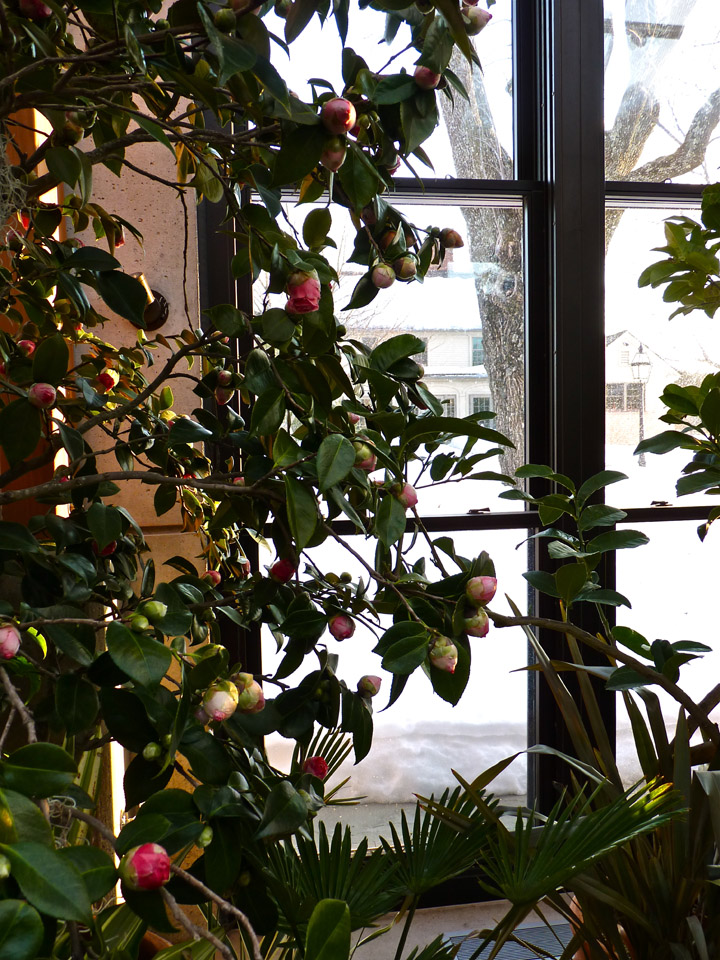
Camellia 'Haru-no-utena' in bloom at Tower Hill LimonaiaCamellia japonica ‘Haru-no-utena’

Arriving at Tower Hill Botanic Garden late Saturday afternoon, I soon realized that it was the perfect time of day for enjoying and photographing the camellia and citrus collection housed in the new Limonaia. The crowds had thinned and the late day sun lent a warm glow to the conservatory collections and the surrounding hillsides.

Limonaia at Tower Hill

The hallway leading from the Limonaia to the Orangerie was lined with luscious displays of camellia blossoms, which were part of the special camellia exhibit taking place at the botanic garden, and were provided by members of The Massachusetts Camellia Society.

Camellia japonica 'Bob Hope Camellia japonica ‘Bob Hope’

Originally from the Isabella Stewart Gardner collection, Camellia japonica in the Limonaia are part of the permanent collection at Tower Hill. The Limonaia is a joy to wander through–not in the least over crowded–allowing the visitor to see the bones, or structure, of the plant, which is especially appreciated with larger specimens of citrus and camellia. Myriad and beautiful examples of Camellia japonica abound, including well-labeled known cultivars, as well as those of unknown lineage. With plumpest buds of promised beauty held tightly along stems, and the high-gloss evergreen foliage offsetting opened blossoms, I would be hard pressed to name a favorite. Look for the vivid red striations bespattering the Persian pink petals of C. japonica ‘Haru-no-utena’ and the sunlight-white  splodges in the carmine pink blossoms of C. japonica ‘Masayoshii.’

Camellia japonica is related to Camellia sinensis from which beverage tea is cultivated, and many of the flowering Japanese camellias on display have the similarly nodding habit, where you gaze up into the blossom. In its wild habitat Camellia japonica grows 20 to 30 feet; many of the oldest camellia plants in the Tower Hill collection stand a good eight feet, which is the perfect height for admiring the bowing blossoms. I recommend a visit to the Limonaia now, or in the very near future, if you wish to see the garden’s stunning collection of C. japonica in bloom.

Camellia japonica Tower Hill Bolyston MA


Camellia japonica ‘Masayoshii’

Camellia japonica ‘Masayoshii’

Camellia japonica ‘Masayoshii’The above three photos are of the exquisite Camellia japonica ‘Masayoshii’

Members of the Rutaceae, commonly called rue or citrus family, are well represented with great specimens of kumquats, Ponderosa lemon, calamondin orange, Persian lime, and more. The larger trees are potted in sturdy and attractive “Versailles Boxes,” which are custom made replicas of those built for Louis the XIV’s Orangerie du château de Versailles.

KumquatCalamondin OrangeCalamondin Orange (Citrofortunella microcarpa)

Shoo away those winter blues and head to the Limonaia and Orangerie at Tower Hill Botanic Garden. You will be delighted with the fresh scents, brilliant plant arrangements, color green in all its infinite many hues, and every other delicious color of the rainbow—a welcome respite from our monochromatic winterscape. The walkways from the parking lot to the visitor center are well maintained, with no treacherous ice!

Limonaia Fabulously Fragrant Daphne odora 'Aureomarginata'Fabulously Fragrant Daphne odora ‘Aureomarginata’

Camellia japonicaCamellia japonica 'Alba Plena'Camellia japonica ‘Alba Plena’

Limonaia

Camellia japonicaLooking out the greenhouse windows to the old farmhouse

Sunset at Tower Gill Botanic Garden

Sunset at Tower Gill Botanic GardenWachusetts Mountain and Wachusetts Reservoir lie just beyond the pavilion

The following text is provided from the sign near the pavilion pictured above: Wachusett Resevoir and Wachusett Mountain ~ Tower hill summit, at 641.5 feet above sea level, is one of the highest points in the area. It takes its name from a tower erected atop the hill used as a survey site for the construction of the Wachusetts Reservoir to the west. Completed in 1905, the reservoir provides drinking water for Boston and 64 surrounding cities and towns. Water originates mid-state at the Quabbin Reservoir and travels through a 24.6 mile tunnel to join the runoff from the Wachusett watershed. Tower Hill Botanic Garden lies within the Wachusett watershed. Every effort is being made during the development and daily maintenance of the garden to protect this valuable resource.

The Wachusett Reservoir covers 6.5 square miles within a 37 mile shoreline. Gravity powers the flow of water through the reservoir system east to Boston. The name “Wachusett” is Algonquin for “by the Great Hill.” Just beyond the reservoir looms Wachusett Mountain. At elevation 2006 feet above sea level, it is a popular destination.