Category Archives: Butterflies of New England

MONARCHS AND PAINTED LADIES STILL ON THE WING AND WHY I ENCOURAGE YOU TO BE LAZY AND NOT TIDY UP YOUR GARDEN!

Monarchs, Painted Ladies, American Ladies, and Yellow Sulphurs are still migrating through Cape Ann–Massachusetts, New England, the mid-Atlantic states, and all along the East Coast for that matter. There isn’t much in the way of nectar plants available at this time of year. If you have anything at all blooming in your garden, even a Dandelion, it will help butterflies and bees on the wing.

This newly emerged Painted Lady was scrounging around at all the dandelions in and around Eastern Point. You can see why if the deadly herbicide Roundup had been applied to this lawn, there would be nothing for the butterflies.

The above Monarch butterfly was drinking nectar from what appeared to be a dried out stalk of Seaside Goldenrod. Although it may seem of no use to you and I, the Monarch was probing deeply into the florets and finding sustenance.

If you have to tidy up your garden, wait until after Thanksgiving, and go cautiously. Bees burrow into dried flower stalks, songbirds find nutrition in the seed heads, and the caterpillars of many species of butterflies, such as those of the Great Spangled Fritillary, winter over in leaf litter at the base of plants.It is not beneficial to pollinators to invite them to your garden, and then decimate the over wintering species with zealous tidying-up. Take a break, be lazy for the sake of the pollinators 🙂

Monarch dispute over a Dandelion

THE HISTORIC BUTTERFLY MIGRATION OF 2019 CONTINUES MOVING THROUGH CAPE ANN

Another banner weekend for butterflies on Cape Ann with Yellow Sulphurs, Painted Ladies, and American Ladies joining the streams of Monarchs migrating along our shores.

Butterflies struggle at this time of year to find sources of nectar. Whatever you do, please do not cut back your garden until mid-November or so. Best NOT to cut back at all and to leave the drying seed heads for the songbirds and leaf litter and plant stalks for hibernating bees and caterpillars, but if one really must cut back, wait as long as possible.

If you click on the photos in the gallery, each picture is labeled with the name of the butterfly and the names of the late-blooming plants on which they are drinking nectar and building their fat reserves for the journey ahead . Butterflies will even fight over a Dandelion to try to get nectar when nothing much else is available (the best reason of all not to use Roundup on the Dandelions in a lawn).


https://www.instagram.com/p/B32T2FDn9wu/

A FRONT FULL OF MONARCH BUTTERFLIES SWEEPS ACROSS THE COUTRY

You may have seen on social media sites the map of butterflies moving through Oklahoma. This is the original story in which the maps appeared: A front full of butterflies swept through Oklahoma City on Saturday

The line on the map above isn’t rain, but from butterflies and dragonflies. We can surmise based on what has been happening along our shores that the species you see in this front are most likely a swirl of Monarchs, Painted Ladies, and Green Darner Dragonflies. The north easterly winds are carrying the insects south.

Below is a map showing autumn and spring migrations. The orange arrow is the fall migratory route of the Monarchs.Anything red represents rain. Blue indicates more unusual shapes, often biological in origin. Notice behind the “butterfly front” the large spattering of blue. That’s where the insects were. (GR2 Analyst)

NATURE RARER USES YELLOW

Day three of the October nor’easter so rather than post more photos of dreary gray skies and wind and waves, here’s a sunny yellow photo to lift your spirits. The photo was taken during this year’s historic Monarch migration. Loving this weather because it’s providing an opportunity to sort through the multitude of butterfly photos shot in September and October 🙂

CHASING BUTTERFLIES!

I spent the weekend chasing butterflies and will post more about the historical migration we are currently experiencing, along with the fantastic Monarch celebration at The Stevens Coolidge Place in Andover, when I have more than a few moments to write a post.

And I discovered how to find the magical butterfly trees that the migrating Monarchs roost in on cold nights!! More about that, too 🙂

Butterfly tree at day’s end.

YOUR DAILY MONARCH PHOTO :)

Please join me Saturday, October 5th, for a fun day of Monarch programs at The Stevens Coolidge Place, Andover.Monarch nectaring at Mexican Sunflowers (Tithonia rotundifolia)


KIM SMITH MONARCH BUTTERFLY CONSERVATION PROGRAM SATURDAY OCTOBER 5TH AT THE STEVENS COOLIDGE PLACE ANDOVER

These magical creatures never cease to amaze and surprise. Early one morning I went looking in the butterfly trees for an overnight roost. Instead I found them sleeping like a dream in a golden field.

The light was pure rose gold for a few brief moments, casting a pearly pink glow over the butterflies, too.

I’ve seen a small cluster of sleeping Monarchs on a wildflower branch before, but never a field full. The wind was strong; perhaps they felt safer roosting closer to the ground.

It was funny to watch them awaken. Some flew off, but most stayed in place and began drinking nectar. Bees do this, they sleep in flowers, but it was a first to see Monarchs sleeping in their breakfast.

Come join me Saturday morning at The Stevens Coolidge Place in Andover for all things Monarch. I will be giving my Monarch conservation program at 10:30. For more information go here.

Male (left) and Female Monarch Waking Up in Goldenrod Field

SAY WHAT! MONARCHS MATING IN SEPTEMBER???

This pair of Monarchs did not get the 411 that they are supposed to wait until next spring to mate!

Beginning in early spring, Monarchs depart Mexico. They lay eggs of the next generation and then perish. This next generation moves northward depositing their eggs on emerging milkweed. It takes four to five generations to reach the Monarch’s northern breeding grounds, of which Cape Ann is a part. The Monarchs that we see in the early summer only live for about four weeks.

The Monarchs that eclose at the end of the summer are a super generation of Monarchs. Another way to think about them is that they are also referred to as the ‘Methuselah’ Monarchs. This last brood of the summer lives for a very long time for a Monarch, about seven to eight months. The Methuselah Monarchs that we see migrating today will travel south all the way to the trans-volcanic forested mountains of central Mexico. They sleep through the winter in butterfly trees in a state of sexually immaturity known as diapause, then awaken in spring to move northward and deposit eggs of the next generation, thus completing the circle of the Monarch’s life.

So that brings us back to this atypical pair mating in the marshy meadow in September. Every year during the annual southward migration I see at least one pair of Monarchs mating. I wonder, will the pair survive and continue to migrate? Will their offspring survive and travel further south?

Please join me Saturday, October 5th, at 10:30 at The Stevens Coolidge Reservation in Andover for a Monarch Migration Celebration and for my conservation talk about the Monarchs. For more information, see here.

WILDLY BEAUTIFUL AND HISTORIC MONARCH MIGRATION OF 2019

Multitudes of silently beautiful brilliant orange flakes swirl overhead. Ontario, Chicago, the Great Lakes, Wisconsin, Iowa, Nebraska, Texas–the list goes on and on–reports of record numbers of Eastern Monarchs are being shared throughout the country.

Monarchs are building their fat reserves by drinking nectar from wildflowers and garden flowers all along their migratory route. These migration pathways occur in urban centers such as Toronto, Chicago, Atlanta, and Kansas City; the Appalachian Mountains of West Virginia and Virginia; the fields and prairies of Minnesota, Kansas, Iowa, and Nebraska; and along the coastlines of the Atlantic, Gulf of Mexico, and Great Lakes.

The Atlantic Coast travelers are typically a week or two behind the Monarchs that migrate through the central part of the U.S. There are still large numbers of Monarchs in the Northeast waiting for the right conditions to journey on.

Here on Cape Ann I have been following the migration and checking hotspots several times daily. Beginning September 8th, the migration along our shores really began to pick up steam. We have had a steady stream with many overnight roosts. The last wave that came through migrated during the morning hours, but rather than staying overnight, continued on their journey, helped by a strong northeasterly wind.

Many thousands of photos were taken this past month and I will share them in upcoming posts, along with helpful answers to some Monarch questions that I am frequently asked. In addition to the photos, I have of course been filming. While my Monarch documentary, Beauty on the Wing, is in the final stages of post production, some of the footage from this year’s historic migration will make it into the film.

Please join me this coming Saturday, October 5th, at 10:30am at The Stevens Coolidge Place in Andover where I will be giving a talk and slide presentation on Monarch Butterfly conservation. A whole wonderful day of activities is planned for the kids and adults.

MONARCH MIGRATION CELEBRATION

You spent the summer watching them flit about your gardens, now it’s time to wish them well on their trip down to Mexico – it’s the Monarch Migration Celebration at Stevens-Coolidge Place!

This celebration will kick off with a children’s pollinator parade around the property (costumes encouraged!) bringing all visitors to an afternoon of demos, crafts & stories, seed bomb making and gardening tips to bring these orange friends to your yard in the spring. Want to join in the butterfly tagging? Bring your flying friends with you and we’ll be happy to show you how! Butterfly release at 2:30PM

Trustees Member: $3
Trustees Member Child: $5
Trustees Family: $15

Nonmember: $6
Nonmember Child: $10
Nonmember Family: $25
Please help us plan for the day. Pre-registration is encouraged.

STEVENS COOLIDGE PLACE

137 ANDOVER STREET

Monarchs, Common Buckeye, and Painted Lady


THE DANCE OF COLOR AND LIGHT – MONARCHS ON THE MOVE!

Monarchs were on the move over the weekend, not only on Cape Ann, but all over northern and northeastern regions of the country* very solid numbers of migrating Monarchs are being shared, from Ontario, to upstate New York, Michigan, and Maine.

Lets keep our hopes up for good weather for the Monarchs on the next leg of their journey southward!

*Ninety percent of the Monarch Butterfly migration takes place east of the Rocky Mountains.

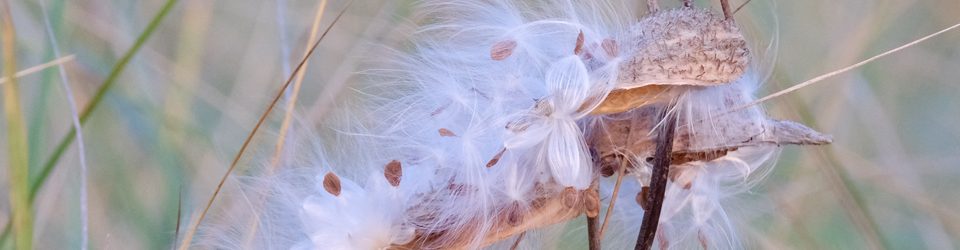
If you would like to help support the Monarchs, think about creating a milkweed patch in your garden. The best and most highly productive milkweed for Monarch caterpillars is Common Milkweed (Asclepias syriaca), the milkweed we see growing in our local marshes and dunes. The seed heads are ripe for plucking when they have split open and you can see the brown seeds and beautiful floss.

For several of my readers who have expressed difficulty in germinating milkweed seeds, the following is a foolproof method from the Lady Bird Johnson Wildflower Center.

HOW TO GERMINATE MILKWEEDS

MILKWEEDS (ASCLEPIAS SPP.) ARE NOTORIOUSLY DIFFICULT TO GERMINATE. But don’t despair. The Wildflower Center has developed and tested a protocol that results in good germination rates for a number of our native milkweed species. Follow this process and you’ll soon be on your way to supporting monarchs, bumblebees and tons of other insects that depend on milkweed plants. READ the complete article here.

SAVE THE DATE – KIM SMITH MONARCH BUTTERFLY PROGRAM AT THE TRUSTEES OF RESERVATIONS STEVENS COOLIDGE PLACE

Please join me for the Monarch Migration Celebration at the Stevens Coolidge Place in Andover on Saturday October 5th at 10:30am. I am cosponsoring the event and giving my slide presentation and talk “Beauty on the Wing: Life Story of the Monarch Butterfly.” The presentation is part of a day long event celebrating the Monarch migration. This promises to be a wonderfully fun day for kids and adults!MONARCH MIGRATION CELEBRATION

You spent the summer watching them flit about your gardens, now it’s time to wish them well on their trip down to Mexico – it’s the Monarch Migration Celebration at Stevens-Coolidge Place!

This celebration will kick off with a children’s pollinator parade around the property (costumes encouraged!) bringing all visitors to an afternoon of demos, crafts & stories, seed bomb making and gardening tips to bring these orange friends to your yard in the spring. Want to join in the butterfly tagging? Bring your flying friends with you and we’ll be happy to show you how! Butterfly release at 2:30PM

Trustees Member: $3
Trustees Member Child: $5
Trustees Family: $15

Nonmember: $6
Nonmember Child: $10
Nonmember Family: $25
Please help us plan for the day. Pre-registration is encouraged.

STEVENS COOLIDGE PLACE

137 ANDOVER STREET

NORTH ANDOVER

GOLDEN FLOWER OF THE AZTECS

The brilliant red-orange Mexican Sunflower (Tithonia rotundifolia) is a beneficial pollinator magnet. Plant and they will come! Grow a patch of milkweed next to your Mexican Sunflowers and you will not only attract Ruby-throated Hummingbirds and an array of bee species, but every Monarch Butterfly in the neighborhood will be in your garden.

Its many common names include Red Torch Mexican Sunflower, Bolivian Sunflower, Japanese Sunflower, but one of the loveliest is ‘Golden Flower of the Aztecs.’ Tithonia rotundifolia grows wild in the mountains of Central Mexico and Central America.

Mexican Sunflower is one of my top ten favorites for supporting Monarchs, is extremely easy to grow, and deer do not care for its soft, velvety leaves. Plant in average garden soil, water, and dead head often to extend the blooming period. Ours flower from July through the first frost. Collect the seedheads after the petals have fallen off, but before they dry completely and the songbirds have eaten all the seeds.

AMAZING PHOTO OF A MONARCH BUTTERFLY EGG MAGNIFIED BY THE THOUSANDS

Several friends have shared this stunning photo from http://www.sciencephotography.com. To the naked eye, a Monarch Butterfly egg is the size of a pinhead.

Magnificent Monarch Butterfly Egg

KIM SMITH MONARCH BUTTERFLY PROGRAM FOR KIDS AT THE SAWYER FREE LIBRARY

Come join us Wednesday morning from 10am to 11am at the Sawyer Free Library where I will be sharing Monarch fun with young people. We have art activities, as well as eggs, caterpillars, chrysalides, and possibly a butterfly or two emerging on the day of the program. I hope you can join us!

This program is held in conjunction with the Cape Ann Reads exhibit currently on view at the main floor of the Sawyer Free.

2019 has been an amazing year for Monarchs. We got off to a very early and fantastic start, but then with a wave of cool rainy weather the Monarch movement slowed considerably. Despite the slow down, we’ve had at least two subsequent waves come through for a total of three broods this summer. Hopefully this will translate to a great 2019 migration followed by strong numbers at the Monarch butterfly’s winter sanctuaries at Michoacán and the state of Mexico.

The eggs we see now on milkweed plants are the super generation of Monarchs that will travel to Mexico!

The photos show the Monarch caterpillar becoming a chrysalis. When ready to pupate, the caterpillar finds a safe place and spins a silky mat. He inserts his last pair of legs into the silky mat and hangs upside down in a J-shape for about a day. Biological developments that began when the caterpillar first emerged are in high gear now. The caterpillar’s suit, or exoskeleton, splits along the center line of the thorax and shrivels as the developing green chrysalis is revealed. The last photo in the gallery shows the moment when the old skin is tossed off.

https://www.instagram.com/p/B1Bl9XZHu1a/

KIM SMITH FREE MONARCH EVENT FOR KIDS AT THE SAWYER FREE LIBRARY

Save the date for my upcoming Monarch Butterfly program for kids at the Sawyer Free Library on August 21st at 10am. This program is free and held in conjunction with the Cape Ann Reads exhibit on display at the Sawyer Free.

WHAT IS THAT BUTTERFLY ON THE BEACH THAT LOOKS LIKE A SMALL MONARCH?

There are several butterflies that people often mistake for Monarchs. Among them are two members of the Vanessa genus and they are Painted Ladies and Red Admirals.

Monarchs are on the wing at the dunes at Good Harbor Beach, attracted to the Common Milkweed growing abundantly throughout. For the past several months, we have had an influx of Red Admirals. They aren’t seen in the dunes as much as are the Monarchs; you’ll find them right on the sand at the beach. They are drinking moisture found in the sand, especially at the wrack line, seeking minerals and salt. Red Admirals are commonly referred to as the ‘Friendly Red Admiral’ because they alight on people’s skin, drinking salty human perspiration.

When wings are folded, Red Admirals are beautifully disguised against beach and bark textures; when their wings are open they flash bright red-orange bands across their upper and lower wings, which sometimes leads people to believe they are a ‘small’ Monarch.
Red Admiral
Monarch

FRIEND ERIC HUTCHINS’S LUSH MILKWEED PATCH

My friend Eric Hutchins sent along this snapshot of his wonderfully lush patch of Common Milkweed (Asclepias syriaca). He thought I would like to see how beautifully his milkweed has grown from seeds distributed at our milkweed sale several years ago. Thanks so much to Eric, love seeing this!
Plant for the pollinators and they will come 🙂

MONARCH EGGS UPDATE

Dear Friends,

There has been more interest than anticipated in Monarch eggs. Thank you to everyone for writing!

At present, Jane has over 100 caterpillars in her kitchen terrariums. These will become butterflies within the month, and each female that emerges will lay between 300 to 700 eggs. I’ve compiled a list of everyone who left a comment. We are thrilled and grateful readers are so interested in helping raise Monarchs this summer. I will contact all as soon as Jane has a new batch of freshly laid Monarch eggs.

In the meantime, I am going to type up some FAQs. I also suggest using a glass rectangular fish tank/terrarium, with a fitted screen top, for rearing the caterpillars. If you don’t have one, they are available at our local pet stores. Also, a package of cheese cloth. Along with a plentiful supply of milkweed, that’s all you will need.

Thank you again and we’ll be in touch. <3

MONARCH EGGS FREE FOR THE TAKING!

A friend with a lovely garden just loaded with milkweed would like help this summer raising Monarchs. She is located in the Annisquam area. Last year Jane had so many eggs and caterpillars, she had a real time of it trying to take care of all. This year promises to be as good as, if not better than, last year.

If you would like Monarch eggs and information on how to take care of the eggs and caterpillars, please comment in the comment section, and we will provide you with Monarch babies!

Raising Monarchs with kids is the best!

Quick snapshot of Jane’s garden


MONARCH BUTTERFLY FILM UPDATE

A very brief update to let all our Friends know that work is progressing on my documentary Beauty on the Wing: Life Story of the Monarch Butterfly. The new footage from this year’s magnificent migration in Mexico has been added. My amazing team, Eric and Kristen, are plugging in the newly recorded voice over.

For the next several weeks, I’ll be planting my client’s pollinator gardens and getting them underway for the summer. After mid-June, we’ll be back in the editing studio with Eric and Kristen finessing the color correction and audio, with plans for a mid-summer release. Happy Butterfly Days!

Tree-top view – standing at the top of the mountain looking down into the valley below. All the orange bits and flakes in the trees are Monarchs.

In early March, the native wildflower White Snakeroot (Ageratina altissima) was at bloom in Cerro Pelon and the Monarchs couldn’t get enough of it!

So many Monarchs this early in the season portends a possibly great summer for butterflies in our meadows and gardens. It’s the perfect time of year to plant Common Milkweed (Asclepias syriaca) seeds and many of our local nurseries carry Marsh Milkweed  (Asclepias incarnata) plants. These two species are the most productive for Monarch eggs and caterpillars in our region.

Monarchs mating in a patch of Common Milkweed.

Monarch drinking nectar from Common Milkweed florets.
Female depositing egg on Marsh Milkweed foliage.

The milkweed we grow in the north supports spectacular migrations such as the one that took place this past winter of 2018-2019.

MORE MONARCH BUTTERFLIES SPIED AROUND CAPE ANN!

Monarch Butterfly on native Buttonbush blossoms

David Rhinelander had one two days in a row at his garden on Pine Street, Heather Hall spotted a Monarch at the Hamilton Library, Jennie Meyer had one in her garden and sent along some photos, Donna Soodalter-Toman had one in her yard, Jen in Rockport has them, and Susan Donelan Burke saw a Monarch in Magnolia. This is very early and thank you so much to Everyone for writing!

Keep your eyes peeled for Red Admirals and Painted Ladies, too.

Red Admirals nectaring at lilacs. The last time we had so many Red Admirals in our garden in May was in 2012 and that was a banner year for butterflies of many species.

Painted Ladies

In the above photo compare the Monarch to the Painted Lady. If you see a “small” Monarch, it may be a Painted Lady or a Red Admiral.

AMAZING!!! MONARCH BUTTERFLIES HAVE ALREADY ARRIVED TO CAPE ANN

There are Monarchs on Cape Ann, and they are laying eggs!!! Check your milkweed Friends! This is nearly a month earlier than usual.

Jane Danekis had a female several days ago in her garden on Revere Street and she deposited over 100 eggs on shoots of newly emerging milkweed.

Michele Del Vecchio saw a Monarch at Good Harbor Beach today, too!

Please let us know if you have seen a Monarch recently, and take a snapshot if you can. Thank you 🙂

A Monarch egg is pale golden yellow in color and shaped like a tiny ridged dome. The egg is no larger than a pinhead.

Morgan Faulds Pike spotted a female Monarch nectaring on her lilacs. Photo courtesy Morgan.

BLACK EARTH COMPOST – SIMPLY THE BEST ON THE PLANET!

I cannot say enough good things about BLACK EARTH COMPOST and the amazing guys, Andrew and Connor, who provide this fantastic product. My client’s gardens have never looked as lush and beautiful since I began strictly only using Black Earth Compost to replenish the soil.

Andrew even delivers to my butterfly and ABC gardens at Philips Andover. Thank you Black Earth for making such a great product!

Black Earth Compost not only makes a great product, they provide residential, commercial, and municipal compost pickup. Go here to learn more about their excellent services.

BEST MILKWEED TO PLANT FOR MASSACHUSETTS GARDENS, MEADOWS, FIELDS, AND DUNE RESTORATION

Friends often ask, and I cover this topic extensively in my Monarch programs, “What is the best milkweed to plant in our region?” Without a doubt, the two most important and productive are Common Milkweed (Asclepias syriaca) and Marsh Milkweed (Asclepias incarnata).

Marsh Milkweed also goes by the name Swamp Milkweed, but Marsh sounds so much more appealing, don’t you think? Milkweeds already have the suffix weed attached to their names. To some folks any wildflower that includes the word weed seems invasive, and we don’t want to frighten people from planting our sweet native wildflowers by inferring they are a swamp dweller, too.

Gallery of Marsh Milkweed

When a weed is not a weed  – It’s unfortunate that so many of our native beauties end in “weed.” Ironweed, Joe-pye Weed, Sneezeweed, Thimbleweed, Butterfly Weed, and Milkweed are just some examples. Why were these native wildflowers at one time long ago named “weed.” Because the earliest colonists brought from their home countries flowering plants that were beloved and familiar to them, delphiniums and larkspurs, for example. In their new American home gardens, these treasured European plants would have been easily overtaken by our more vigorous American wildflowers.

To return to the topic of milkweed, Common Milkweed spreads by both underground and by seed. It’s ideal for dunes, meadows, and fields. Marsh Milkweed is more clump forming and stays relatively close to where you plant it. You can control how much it spreads by deadheading, or not, before the seed heads turn to fluff and sail away. I grow both Marsh Milkweed and Common Milkweed side-by-side. In our garden, the female Monarch does not discern the difference between the two species of milkweeds, she will flit from one to the other, and back again, depositing her eggs all along the way.

Gallery of Common Milkweed

By the way, both A. syriaca and A. incarnata are also the easiest milkweeds to grow in Massachusetts.

A ten-year nation-wide study was recently published. Across the country, Marsh and Common proved to be the most productive, in other words, more eggs were laid on these two species than on any other species of milkweed.

The map provided below is somewhat helpful; I write somewhat with a word of advice. If you click on Massachusetts, for example, not only are Common and Marsh Milkweeds listed but also Purple Milkweed (A. pupurascens), Fourleaf Milkweed (A. quadrifolia), Butterfly Weed (A. tuberosa), Poke Milkweed (A. exaltata), Whorled Milkweed (A. verticillata), and Clasping Milkweed (A. amplexicaulis). We grow a nice patch of Whorled Milkweed and I have never, ever seen a Monarch once visit the foliage or flowers. Purple Milkweed can be very challenging to get started, and Butterfly Weed is not as hardy in our region as are Common and Marsh.

Milkweeds are the only food plant for Monarch caterpillars and also provide nectar to a host of pollinators including many, many species of butterflies, bees, beetles, and even hummingbirds. Plant for the pollinators and they will come!

This is an image from my recent adventure to Cerro Pelon. I am dying to write about the trip, but have had a very full schedule finishing up my film, organizing landscape jobs for the season, and hoping to get the PiPls settled in. The Monarchs in the photo are mud-puddling. Tens of thousands leave the butterfly trees during the heat of the day, sucking up water and much needed nutrients from the mud at nearby mountain streams
HOME FROM BEAUTIFUL MEXICO AND FILMING THE MAGNIFICENT MONARCHS!

https://www.instagram.com/p/BuzarKoHM3m/

My husband Tom and I returned from filming Monarchs in Mexico very late Monday night. The first day back was pasta making for Saint Joseph Day at the Groppos and spending time with our son Alex and granddaughter Charlotte. Yesterday and today I’ve been pouring through the footage to add to the film. I’ll write some posts about beautiful Mexico, the fantastic JM Butterfly B and B, and the magnificent Monarchs as soon as I have time to sort through the photos. It was an adventure of a lifetime!

https://www.instagram.com/p/BuzbLSGngGn/

I was most worried about torturing Tom and wasn’t entirely sure we would have uninterrupted internet access so he could work remotely, but he had the best time meeting new people, riding horses up the mountain, climbing Cerro Pelon, and practicing his Spanish!

https://www.instagram.com/p/Buzv5WxnJJm/

Monarch flakes fill the sky