Tag Archives: Ironweed

BEST MILKWEED TO PLANT FOR MASSACHUSETTS GARDENS, MEADOWS, FIELDS, AND DUNE RESTORATION

Friends often ask, and I cover this topic extensively in my Monarch programs, “What is the best milkweed to plant in our region?” Without a doubt, the two most important and productive are Common Milkweed (Asclepias syriaca) and Marsh Milkweed (Asclepias incarnata).

Marsh Milkweed also goes by the name Swamp Milkweed, but Marsh sounds so much more appealing, don’t you think? Milkweeds already have the suffix weed attached to their names. To some folks any wildflower that includes the word weed seems invasive, and we don’t want to frighten people from planting our sweet native wildflowers by inferring they are a swamp dweller, too.

Gallery of Marsh Milkweed

When a weed is not a weed  – It’s unfortunate that so many of our native beauties end in “weed.” Ironweed, Joe-pye Weed, Sneezeweed, Thimbleweed, Butterfly Weed, and Milkweed are just some examples. Why were these native wildflowers at one time long ago named “weed.” Because the earliest colonists brought from their home countries flowering plants that were beloved and familiar to them, delphiniums and larkspurs, for example. In their new American home gardens, these treasured European plants would have been easily overtaken by our more vigorous American wildflowers.

To return to the topic of milkweed, Common Milkweed spreads by both underground and by seed. It’s ideal for dunes, meadows, and fields. Marsh Milkweed is more clump forming and stays relatively close to where you plant it. You can control how much it spreads by deadheading, or not, before the seed heads turn to fluff and sail away. I grow both Marsh Milkweed and Common Milkweed side-by-side. In our garden, the female Monarch does not discern the difference between the two species of milkweeds, she will flit from one to the other, and back again, depositing her eggs all along the way.

Gallery of Common Milkweed

By the way, both A. syriaca and A. incarnata are also the easiest milkweeds to grow in Massachusetts.

A ten-year nation-wide study was recently published. Across the country, Marsh and Common proved to be the most productive, in other words, more eggs were laid on these two species than on any other species of milkweed.

The map provided below is somewhat helpful; I write somewhat with a word of advice. If you click on Massachusetts, for example, not only are Common and Marsh Milkweeds listed but also Purple Milkweed (A. pupurascens), Fourleaf Milkweed (A. quadrifolia), Butterfly Weed (A. tuberosa), Poke Milkweed (A. exaltata), Whorled Milkweed (A. verticillata), and Clasping Milkweed (A. amplexicaulis). We grow a nice patch of Whorled Milkweed and I have never, ever seen a Monarch once visit the foliage or flowers. Purple Milkweed can be very challenging to get started, and Butterfly Weed is not as hardy in our region as are Common and Marsh.

Milkweeds are the only food plant for Monarch caterpillars and also provide nectar to a host of pollinators including many, many species of butterflies, bees, beetles, and even hummingbirds. Plant for the pollinators and they will come!

This is an image from my recent adventure to Cerro Pelon. I am dying to write about the trip, but have had a very full schedule finishing up my film, organizing landscape jobs for the season, and hoping to get the PiPls settled in. The Monarchs in the photo are mud-puddling. Tens of thousands leave the butterfly trees during the heat of the day, sucking up water and much needed nutrients from the mud at nearby mountain streams
Butterflies of Ohio

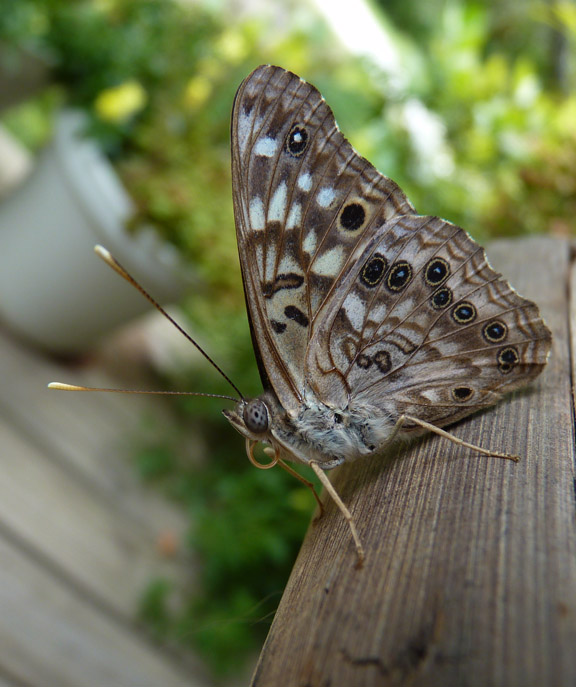
Hackberry EmperorMale Hackberry Emperor


A BUTTERFLY BONANZA!

Recently I returned from a trip to southwestern Ohio to visit my sister-in-law Amy, who is recovering from hip replacement surgery. She is mending beautifully and determined to get back on her feet —only a few days after returning home from the hospital the visiting nurse said she was doing as well as their typical patient at three weeks out!

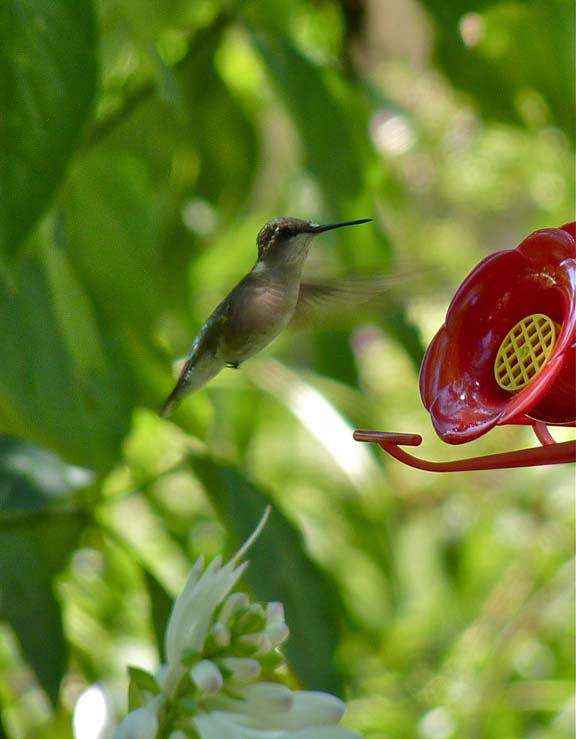
While Amy was resting I would grab my camera and head into her garden and the surrounding fields because here was a Butterfly and Hummingbird Bonanza! I encountered dozens of Ruby-throated Hummingbirds, typically feeding and frolicking in groups of threes and fours, and many differing species of butterflies. For the most part, the butterflies that I photographed are the same species of butterflies that are found on Cape Ann and throughout New England. Having no expectation of encountering myriad butterflies, in both range of species and in legions of each, I had not planned accordingly and only packed my Panasonic Lumix. I love this camera, but like all cameras it does have certain limitations. Lesson learned—that is to say—always travel prepared for anything to happen!

Spicebush Swallowtail at Rose of SharonMale Spicebush Swallowtail Dusted with Pollen

Amy is a working architect and, as time and her work schedule have permitted, she has (along with her recently deceased dear husband Tim) redesigned and restored her lovely old farmhouse and gardens. There are several cozy porches and a deck under construction in which to sit and observe the wildlife dramas that play out almost daily.

Ohio Farmhouse

What makes Amy’s garden so inviting to the pollinators? The old farmhouse is approached by traveling down a crushed limestone driveway. On either side of the drive are fields, either overgrown with wildflowers, or maintained as mowed grass. The fields meet the forest edge. There are several neighboring houses along the drive but privacy is afforded because the houses are sited a fair distance apart and because there are naturalized arrangements of native trees and shrubs. Flower borders are planted in close proximity to her home and also further afield. Beyond the flower borders is a large vegetable garden, approximately twenty feet deep by sixty feet long, with a row of sunflowers bordering the back length and a cheerful patch of zinnias running along the fore edge. Beyond the vegetable garden is a vigorous crop of blackberries and beyond that is a clump of wildflowers, including common milkweed (Asclepias syriaca), which were covered in Monarch caterpillars, and the tall growing New York Ironweed (Veronia noveboracensis), which was in full bloom. All of these elements provide clues as to why Amy’s garden is a haven for the butterflies and hummingbirds. Additionally, adjacent to the house is an old peach tree, which bears great quantities of fruit. Because Amy has been under the weather from her hip injury she was not able to maintain the peach tree this past season. The peaches were falling to the ground and rotting—not really a bad thing as you will soon see—imagine the not intolerable odor of vinegary peach juice.

Yellow Sulphur Butterfly Zinnia elegansYellow Sulphur

The combination of the atypically lengthy stretch of hot, sultry weather, punctuated by soaking rain storms, along with the salt and mineral-rich limestone driveway, flowering plants, wildflowers, surrounding woodlands that provide shelter and larval food for caterpillars, hummingbird feeders, and rotting peaches—all work in tandem to create a paradise for the pollinators—bees, butterflies, and hummingbirds.

Female Ruby-throated HummingbirdFemale Ruby-throated Hummingbird

In the morning I would find Buckeyes, Question Marks, and Red-spotted Purples drinking salts and minerals from moist patches in the driveway. Hungry families of Ruby-throated Hummingbirds were noisily nectaring from the flowers and feeders; one feeder is sited beneath the peach tree and the other about twenty feet away, under the lilacs, a hummingbird superhighway of sorts, with inviting nectar flowers along the route. The male and female hummingbirds are both territorial and, when encountering anything out of the ordinary (my camera and I, for example) will threaten by whizzing  and whirling, albeit harmlessly, close to your head.

Common Buckeye ButterflyCommon Buckeye

By mid-day the hummingbird and butterfly scene was full underway. Spicebush Swallowtails at the Rose-of-Sharon, tiger swallowtails, yellow sulphurs, Eastern Tailed-Blues, Monarchs, checkerspots, and angelwings nectaring at the zinnia patch, phlox, and lobelia, and most remarkable of all, were the number of butterflies that were drawn to the pungent lure of rotting peaches. By late afternoon dozens of Hackberry Emperors, Red-spotted Purples, Question Marks, and Red Admirals were to be found intently imbibing from the fermenting peaches, and by day’s end, I believe they were drunken butterflies, making extraordinarily easy subjects to photograph. I would be down on my hands and knees with the lens held so closely it was nearly touching them, and several times that did happen as they fluttered or hopped onto the camera’s lens. In the lingering remnants of late day’s light, the hummingbirds were there again at the feeders and flowers, and all manner of swallowtails in the wildflower meadow were nectaring from the New York Ironweed.

Spicebush Swallowtail at Rose of SharonSpicebush Swallowtail Nectaring at Rose of Sharon


Pipevine Swallowtail Butterfly Pipevine Swallowtail Nectaring at Phlox

Red-spotted Purple ButterflyRed-spotted Purple

The three different species of butterflies in the above group of photographs have a unique relationship. The Red-spotted Purple and Spicebush Swallowtail (both palatable to predatory birds) are thought to have evolved to mimic the Pipevine Swallowtail (center photograph), which is highly toxic and foul tasting.

I was sad to say goodbye to my sister-in-law but glad to return home to my family. My unexpected yet welcome encounter with the butterflies of Southwest Ohio reminded me once again that butterflies are a symbol of transformation, joy, and beauty throughout cultures the world over. Perhaps Amy’s butterflies mirror the transformative journey to which she has embarked.

Eastern Tailed-Blue ButterfliesEastern Tailed-Blues

Red Admiral ButterflyRed Admiral Mimicking Peach Tree Bark

Milkweed and IronweedIronweed and Milkweed

 Tiger Swallowtail at IronweedTiger Swallowtail Nectaring at Ironweed

Cicada lying in waitMale Cicada Disguised Amongst Rose of Sharon Buds

Ohio Vegetable gardenVegetable Garden

Farmhouse road