Category Archives: Willowdale

A Roaring Time was Had by All!

Gerald Fandetti, Senator Bruce Tarr, Briar Fandetti-Forsythe

Last evening was a combined celebration of the ribbon cutting ceremony for the completion of the Willowdale Estate Coach House AND the 5th Anniversary party for the estate. Willowdale is a shining example of the Massachusetts Historic Curatorship Program. Senator Tarr was there to show his support for the curatorship program and to congratulate the family on their tremendous success.

~

The hostess and guests were dressed in smashing 1920’s inspired costumes, champagne and crazy delicious refreshments kept the party-goers energized, a swing band had the joint jumpin’, the tent was beautifully illuminated and aglow, and the garden glistened in the warm misty rain.  A roaring time was had by all!

Briar Forsythe, curator and proprietor of Willlowdale Estate

The Roaring Twenties, or as the French dubbed the period “Années Folles” (“Crazy Years”), was the time during which Bradley Palmer entertained in high style at Willowdale Estate, formerly referred to as the Bradley Palmer Estate. Willowdale Estate is the absolutely ideal venue for a twenties inspired celebration!

New Bistro Lights at Willowdale Estate

Willowdale Estate Courtyard

Monday night I was filming at Willowdale as we are in the early stages of creating a web page about the butterfly gardens for the Willowdale Estate website. I was hoping to film the Ruby-throated Hummingbirds at dusk and did succeed! They were nectaring from the Rose Mallow, hosta, Snowberry Bush, and butterfly bushes.

Verbena bonariensis

I love the new bistro lights in the courtyard garden–so romantic!


Madeline and the Monarch

The Ciaramitaro Family stopped by Willowdale for a tour of the butterfly gardens. We were lucky to see several Monarchs and dozens of Painted Ladies.

Click the photo to view larger and you will see the Monarch climbed onto Madeline’s finger–it takes great patience to hold still long enough to allow a butterfly to climb aboard!

Madeline was determined that a butterfly would climb onto her finger–first trying the Painted Ladies and then very, very patiently, and holding very, very still, encouraging the Monarchs. She was thrilled when one did–and it did so several times–very sweet to see her joy. Madeline and Eloise were expertly identifying the male and female Monarchs and explaining to all in how to tell the difference.

Jewel of the Night ~ The Luna Moth

The Luna Moth, one of the most stunning and easily recognized moths, belongs to the Giant Silkworm Family or Saturniidae. Moths in the Sautrniidae are generally medium to large, with bulky bodies, dense, fur-like scales, and eyespot patterns on the wing. There are roughly forty species of Saturniidae in North America, including the Promethea Moth, often seen at twilight, and the giant Cercropia Moth, with a wingspan of a half-foot or more! The caterpillars of the Luna Moth feed on many trees including alders, beech, cherries, sweet gum and willows.

Luna Moth ~ Actias luna

Male Luna Moth found at Willowdale Estate early Thursday morning. Photo courtesy Dale Resca.

Willowdale Estate Peacock

I never know what interesting species I am going to encounter when at Willowdale– usually tending to find more of the native variety–

From wiki: Indian Peafowl, Pavo cristatus, is a resident breeder in South Asia. The peacock is designated as the national bird of India and the provincial bird of the Punjab. The term peafowl can refer to the two species of bird in the genus Pavo of the pheasant family, Phasianidae. Peafowl are best known for the male’s extravagant tail, which it displays as part of courtship. The male is called a peacock, and the female a peahen. The female peafowl is brown or toned grey and brown.

Come join us tomorrow evening in the garden at Willowdale.

Butterfly Garden Tour at Willowdale Estate!

Reminder to save the date ~ A week from Tuesday, on the evening of  June 12th, I am giving a tour of the butterfly gardens at Willowdale Estate.  We will be showing my short film about the gardens at Willowdale and Briar’s delicious refreshments will be served. I am very excited to share the gardens and show how to translate this information to your own garden. I hope you can join us for what promises to be a lovely evening!

R.S.V.P. to Info@WillowdaleEstate.com.


A Hummingbird’s Perspective

Hummingbirds can easily distinguish red contrasted against green.

Trumpeting the Trumpet

Early blooms are an important feature for the vine planted to lure hummingbirds. You want to provide tubular-shaped flowers in shades of red and orange and have your hummingbird feeders hung and ready for the earliest of the northward-migrating scouts. If nothing is available, they will pass by your garden and none will take residence. Hummingbirds can easily distinguish red contrasted against green. We go so far as to plant vivid Red Riding Hood tulips beneath our hummingbird feeders, which hang from the bows of the flowering fruit trees. Although hummingbirds do not nectar from the tulips, the color red draws them into the garden and the flowering fruit trees and sugar water provide sustenance for travel-weary migrants.

Lonicera sempervirens, also called Trumpet and Coral Honeysuckle, is a twining or trailing woody vine native to New England. Trumpet Honeysuckle is not at all fussy about soil and is drought tolerant. Plant in full sun to part shade. If Trumpet Honeysuckle becomes large and ungainly, prune hard to the ground—it grows rapidly and a vigorous pruning will only encourage more flowers.

Lonicera sempervirens John Clayton

‘Major Wheeler’ flowers in a deeper red than that of the carmine of ‘Dropmore Scarlet.’ ‘John Clayton’ is a cheery, cadmium yellow, a naturally occurring variant of Lonicera sempervirens, and was originally discovered growing wild in Virginia. The blossoms of ‘Mandarin’ are a lovely shade of Spanish orange.

Trumpet Honeysuckle has myriad uses in the landscape. Cultivate to create vertical layers, in a small garden especially. Plant Lonicera sempervirens to cover an arbor, alongside a porch pillar or to weave through trelliage. Allow it clamber over an eyesore or down an embankment. Plant at least one near the primary paths of the garden so that you can enjoy the hummingbirds that are drawn to the nectar-rich blossoms. I practically bump into the hummingbirds as they are making their daily rounds through the garden flora. Did you know they make a funny squeaky sound? I began to take notice of their presence in our garden, when at my office desk one afternoon in late summer, with windows open wide, I heard very faint, mouse-like squeaks. I glanced up from my work, fully expecting to see a mouse, and was instead delighted to discover a female Ruby-throat outside my office window, nectaring at the vines. Trumpet Honeysuckle not only provides nectar for the hummingbirds, it also offers shelter and succulent berries for a host of birds.

While planting the summer gardens at Willowdale this past week we observed dozens of Ruby-throated Hummingbirds nectaring at the Trumpet Honeysuckle embowering the courtyard doors.

Lonicera sempervirens is a caterpillar food plant for the Snowberry Clearwing moth.

Adored


This past week at Willowdale we planted the stunning tree peony ‘Keiko’, which means “adored.” Briar’s favorite color is pink so I am always on high alert for rose-hued blossoms. I took one look at this drop dead gorgeous plant and just had to have it for Willowdale. Don’t you find in nature there are seemingly infinite shades of pink? The beautiful blowsy blossoms of  ‘Keiko’  possess myriad.

Did I mention ‘Adored’ is delightfully fragrant? The fragrance is sweet, but not cloying–very light and fresh.

North Shore Wedding Magazine

Click any photo to view slideshow-

For weeks I had planned to photograph the tulips in bloom at Willowdale, but only in the late afternoon sun. Each afternoon I headed out, the sky grew overcast. Last Monday the sun shown gloriously the entire day.

Fortunately I caught the tail end of North Shore Wedding Magazine photographing their Premier Issue in the gardens at Willowdale. North Shore Wedding Magazine is a brand new biannual publication featuring quality North Shore wedding professionals and venues, and is the sister publication to New Hampshire Wedding Magazine.

Sarah Boucher’s (Willowdale’s Planning Manager) lovely table styling for the North Shore Wedding Magazine photo shoot.

Kristina Hathaway with model

I hope this does not sound boastful however am mentioning because I just love it when people understand the design intention of a project. Kristina Hathaway remarked that she loved the feminine quality of the garden’s design juxtaposed against the masculine architecture of the stone mansion—music to my ears! The design challenges at Willowdale are multifold, yet rewarding, and from April 1st to until the first week of November you will find the gardens in bloom!

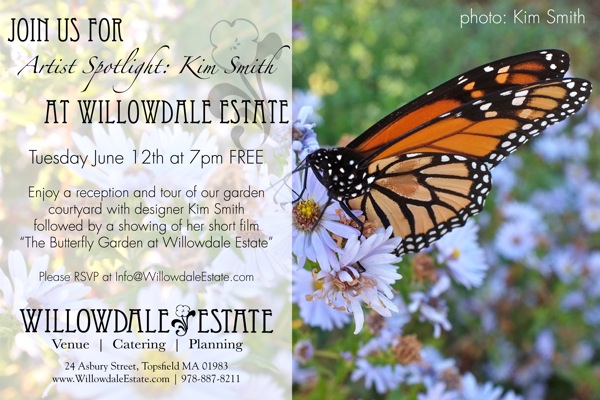
Tuesday evening, June 12, at 7:00 pm come join me in the gardens at Willowdale Estate. Enjoy refreshments and a tour of the garden, followed by a showing of my film “The Butterfly Garden at Willowdale Estate.”  RSVP to Info@Willowdale Estate.

Click any photo to view slide show-

Save the Date ~ June 12

I hope you can come join me in the courtyard garden I designed for Willowdale on Tuesday June 12th at 7pm. The event is free and should be lots of fun. I am looking forward to showing my film and the garden and Briar will prepare her wonderful array of refreshments, within the setting of the beautifully restored Arts and Crafts mansion and gardens that is Willowdale!

RSVP to Info@WillowdaleEastate.com

Briar at Willowdale

My friend and the proprietor of Willowdale Estate, Briar Forsythe, conducting staff lunch!

Click photo for larger view.

Tulip Orama

This is a view into the courtyard garden I designed for Willowdale Estate. The tulips are at their peak. I call this mix of colors my ‘Bridal Mix,’ because it provides a symphony of watercolor hues for the April and May weddings. Don’t you think too that the satiny sheen of the tulip petals looks like the silk satin gowns of wedding parties?

spring flowering tulipsSpring Flowering Tulips Willowdale Estate 

Click photo to view larger image. More from Willowdale spring to come.

Snapshots from Chateau de Versailles

Sent from my friend Briar who is cooking and vacationing in Paris ~

Louis-Philippe Family Game Room at the Grand Trianon

Renee Fleming’s Gown from the 1997 Production of Manon, Paris Opera House

Special Events at Willowdale Estate

Happy Birthday Briar!

As many know from reading my posts, my dear friend, and one of my favorite design clients, is Briar Forsythe, proprietor of Willowdale Estate, located in Topsfield. I was delighted to attend Briar’s birthday party, which was a wine and food tasting event, and held in the new conservatory at Willowdale. Usually when there I am up to my elbows in design projects so it was a real pleasure to get a sense of how it feels to be a guest.

The party started at 4:00 and the late afternoon sunlight streaming through the conservatory windows lent a warm and welcoming glow to the event. The service was absolutely impeccable (do you find that is not often easy to say?). Chef Joe Joyce and staff had prepared simply the most elegant and divine tasting courses, paired with wines that perfectly complemented each dish. All the wines were delicious and I can imagine they would be great paired with any number of meals.

Unfortunately, I did not take a snapshot of the first course, which was a  Duxbury Oyster with Champagne Foam and Blood Orange Caviar, served with a sparkling Dibon Cava Brut. I love sparkling wines and found this perfectly not overly sweet. I am not going to go on and on telling you how super delicious was all–it was–and hope the photos give an idea. The wines were provided by Geoffrey Fallon.

Sweet Pea Agnolotti, Lobster Tail, Vanilla Aioli and Pea Shoots Paired with Lamoreaux Chardonnay

 Crispy Pork Belly, Poached Apple, Celeriac Puree, Micro Dijon Greens Paired with Arabanta Rioja
 Seared  Tenderloin of Beef, King Oyster Mushroom, Bone Marrow Cracker, and Bordelaise Paired with Pietrantonj Montepulciano d’Abruzzo
Braised Lamb Shank, Grilled Polenta, Mustard Greens and Baby Turnip Paired with Armandiere Cahors 

Visit Willowdale’s website—they are a full service special events venue, specializing in their own in-house fabulous catering. Tours are offered throughout the year and many Gloucester companies do business with Willowdale, including several of our local florists and photographers.

Click last photo to see slideshow of all party pics.

Premiere Episode of Through the Garden Gate

The Butterfly Garden at Willowdale Estate

Save the Date: Thursday Evening, November 3rd

Come join us Thursday, November 3rd, at 7:00 pm at the Friend Room of the Sawyer Free Library for the premiere of my new series of video specials titled Through the Garden Gate, featuring “The Butterfly Garden at Willowdale Estate.”  The event is free and open to the public and refreshments will be served. I hope you can come!

Premiere Sponsored by the Sawyer Free Library

Just a few of the many butterflies, and their nectar plants and native host plants, featured in The Butterfly Garden at Willowdale Estate:

Monarch Butterfly and Verbena bonariensis

Native Redbud, a Larval Host Plant for the Henry’s Elfin Butterfly

Beautiful Violet-Magenta Pea-shaped Blossoms of the Native Redbud

Native ‘Annabelle’ Hydrangea and the Red-spotted Purple Butterfly

Willowdale Estate Peacock

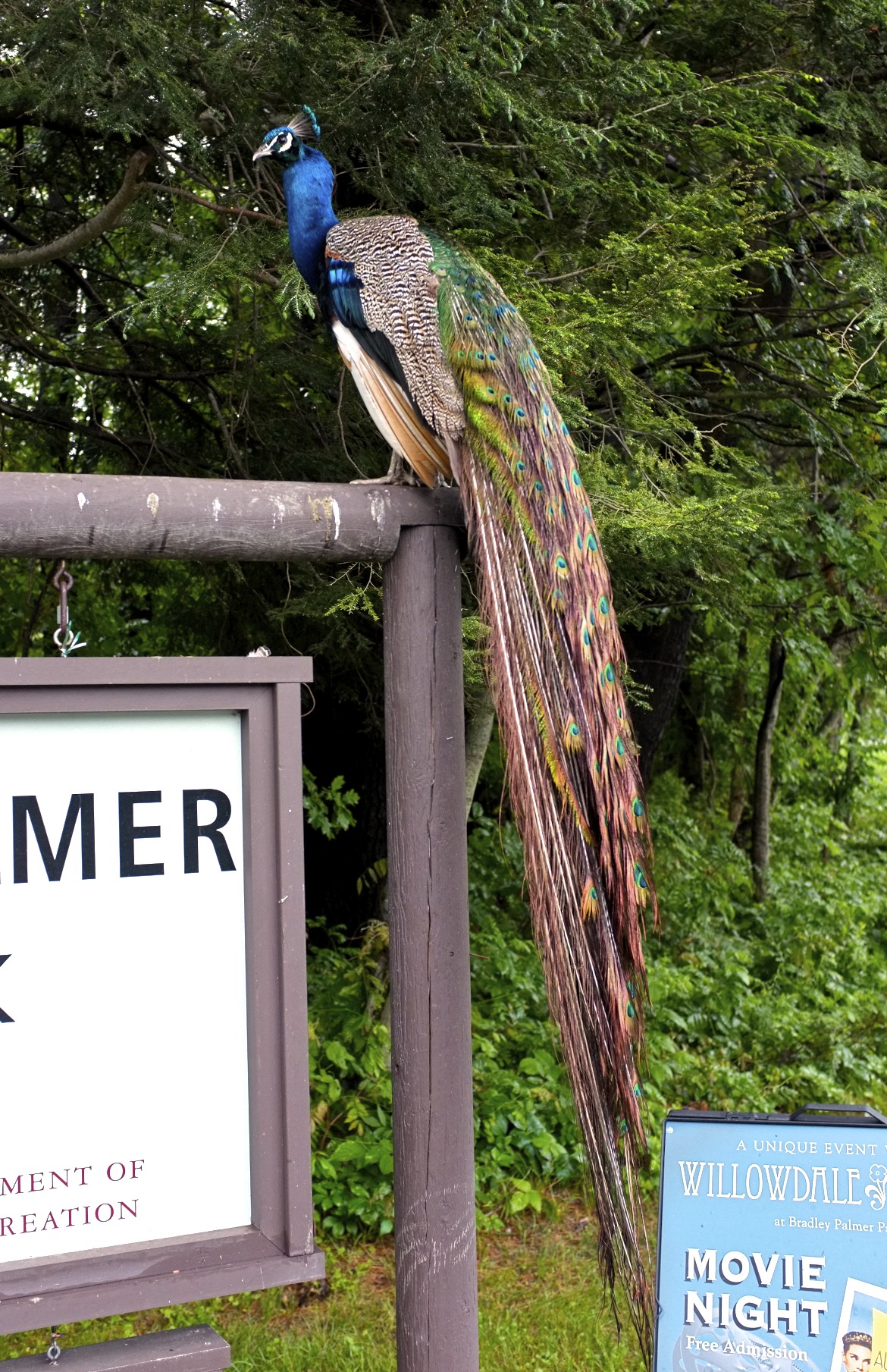
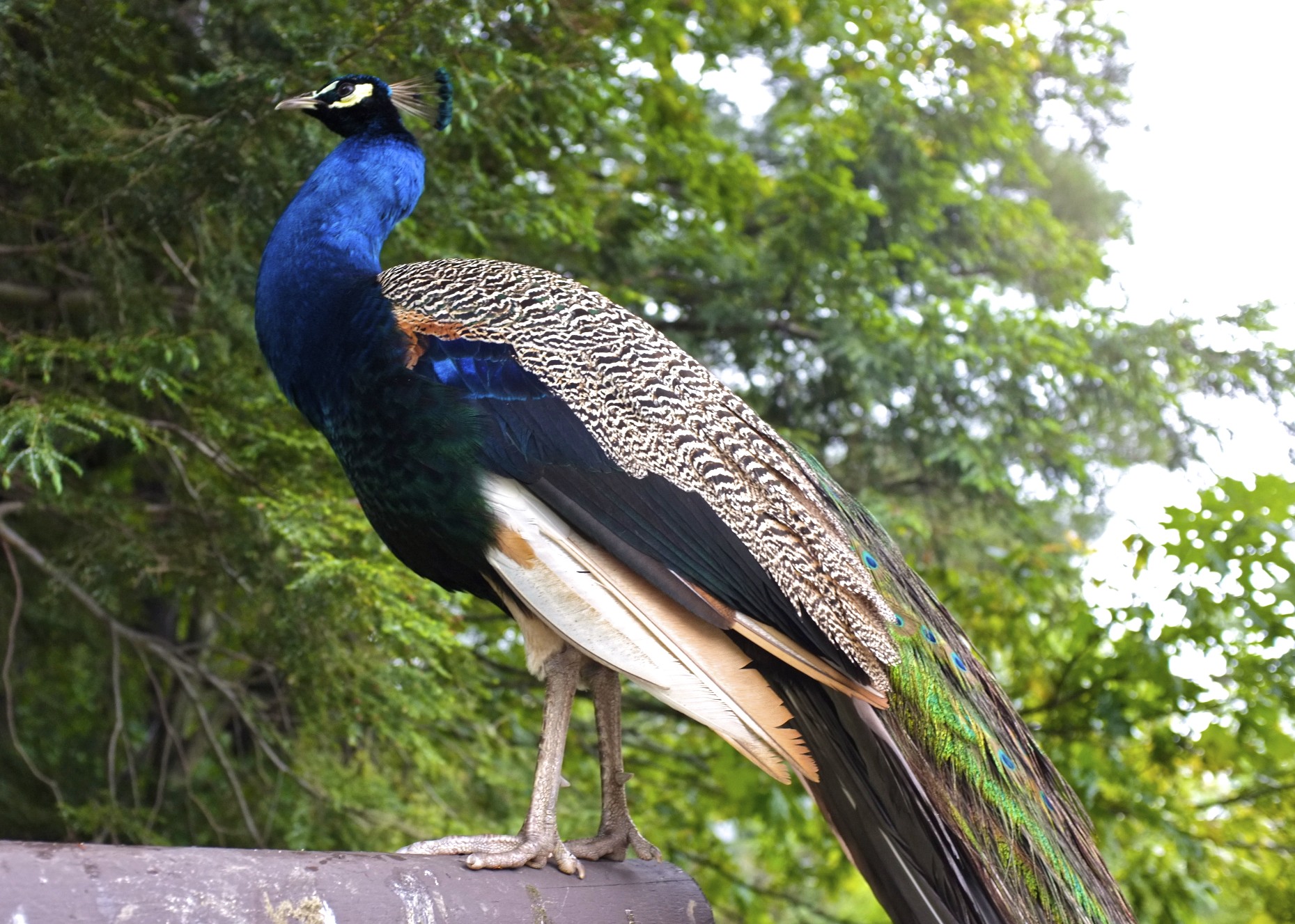
Driving into Willowdale this morning I encountered our neighborhood Indian Blue Peacock. Daily sightings have been reported and the entryway sign is his choice perch. The Fujifilm x100 performed remarkably, despite the lack of sunlight and steady drizzle.

From wiki: Indian Peafowl, Pavo cristatus, a resident breeder in South Asia. The peacock is designated as the national bird of India and the provincial bird of the Punjab. The term peafowl can refer to the two species of bird in the genus Pavo of the pheasant family, Phasianidae. Peafowl are best known for the male’s extravagant tail, which it displays as part of courtship. The male is called a peacock, and the female a peahen. The female peafowl is brown or toned grey and brown.

 Peacock Fujifilm x100

 Peacock Fujifilm x100Peacock Fujifilm x100

Thank you

Dear Gardening Friends,

Come join me this Tuesday, June 7th at Willowdale Estate, from 4:00 to 6:00, for a house and garden tour of this beautiful, and beautifully restored, historic Arts and Crafts manse. Members of the Willowdale staff will be giving guided tours of the house and I will be available to talk about the garden, including how the Arts and Crafts movement influenced our horticultural decisions. Admission is free and the event is open to the public.

Thank you for all the thoughtful comments and praise for last week’s column “The most highly scented lilacs…” Next week I will send you information on lilac culture as this is the ideal time of year to trim and shape your lilacs for maximum blooms next year.

Single flowers of the Common White Lilac

Reader Irma wrote the following: I picked my lilacs at their height. In water, in the vase they lasted 2 days and drooped! Last year the same. I couldn’t believe it. Do you know why?

Hi Irma, Lilacs have woody stems and do not easily absorb water in the vase. Depending on whatever tool is handy, I do one of two things,. With a hammer, crush the stems, at least six inches along the length, and immediately place in a vase filled with tepid or warm water. Over the years I have also discovered that peeling the stems with a vegetable peeler is just as effective, and less messy. Peel away the woody outer layer, all around the stem, again at least six inches up the stalk (peel down to green). Still, even with treating the stems, the arrangement will be fleeting and only look beautiful for several days. The scent of the lilacs permeating throughout your home is worth the extra effort!

Beauty of Moscow lilacDouble-flowered ‘Beauty of Moscow’

Many wrote last week to say they enjoyed the excerpt from Amy Lowell’s gorgeous poem Lilacs. Here it is in entirety:

Lilacs

Lilacs,
False blue,
White,
Purple,
Color of lilac,
Your great puffs of flowers
Are everywhere in this my New England.
Among your heart-shaped leaves
Orange orioles hop like music-box birds and sing
Their little weak soft songs;
In the crooks of your branches
The bright eyes of song sparrows sitting on spotted eggs
Peer restlessly through the light and shadow
Of all Springs.
Lilacs in dooryards
Holding quiet conversations with an early moon;
Lilacs watching a deserted house
Settling sideways into the grass of an old road;
Lilacs, wind-beaten, staggering under a lopsided shock of bloom
Above a cellar dug into a hill.
You are everywhere.
You were everywhere.
You tapped the window when the preacher preached his sermon,
And ran along the road beside the boy going to school.
You stood by the pasture-bars to give the cows good milking,
You persuaded the housewife that her dishpan was of silver.
And her husband an image of pure gold.
You flaunted the fragrance of your blossoms
Through the wide doors of Custom Houses—
You, and sandal-wood, and tea,
Charging the noses of quill-driving clerks
When a ship was in from China.
You called to them: “Goose-quill men, goose-quill men,
May is a month for flitting.”
Until they writhed on their high stools
And wrote poetry on their letter-sheets behind the propped-up ledgers.
Paradoxical New England clerks,
Writing inventories in ledgers, reading the “Song of Solomon” at night,
So many verses before bed-time,
Because it was the Bible.
The dead fed you
Amid the slant stones of graveyards.
Pale ghosts who planted you
Came in the nighttime
And let their thin hair blow through your clustered stems.
You are of the green sea,
And of the stone hills which reach a long distance.
You are of elm-shaded streets with little shops where they sell kites and marbles,
You are of great parks where every one walks and nobody is at home.
You cover the blind sides of greenhouses
And lean over the top to say a hurry-word through the glass
To your friends, the grapes, inside. Continue reading

C’est la Vie! at Willowdale Estate

Congratulations North Shore Garden Club and Willowdale Estate for a fabulously successful show! 

C'est la Vie! at Willowdale Estate

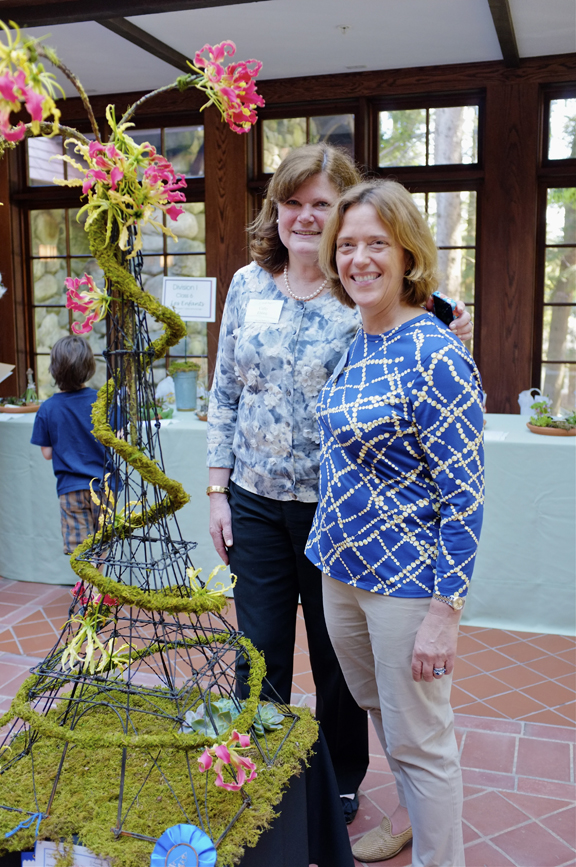
A wonderful time was had by all and Willowdale looked gorgeous. The expert hands of seasoned event organizers Helen Glaenzer (North Shore Garden Club president) and NSGC event co-chairs Susan Barry, Didi Blau, and Cathy Ebling were in evidence throughout with their beautiful design touches and thoughtfully presented exhibits.

C'est la Vie! at Willowdale EstateBest in Show ~ created by Cathy and Helen 

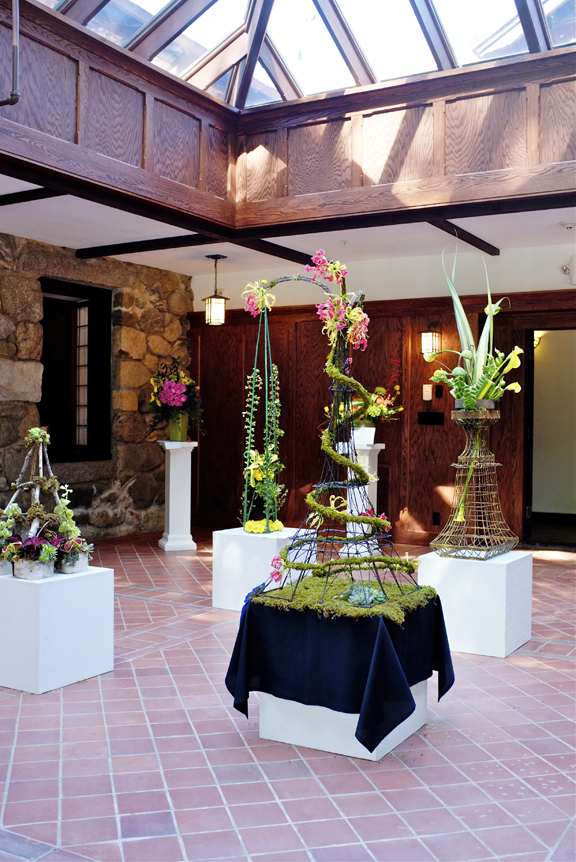
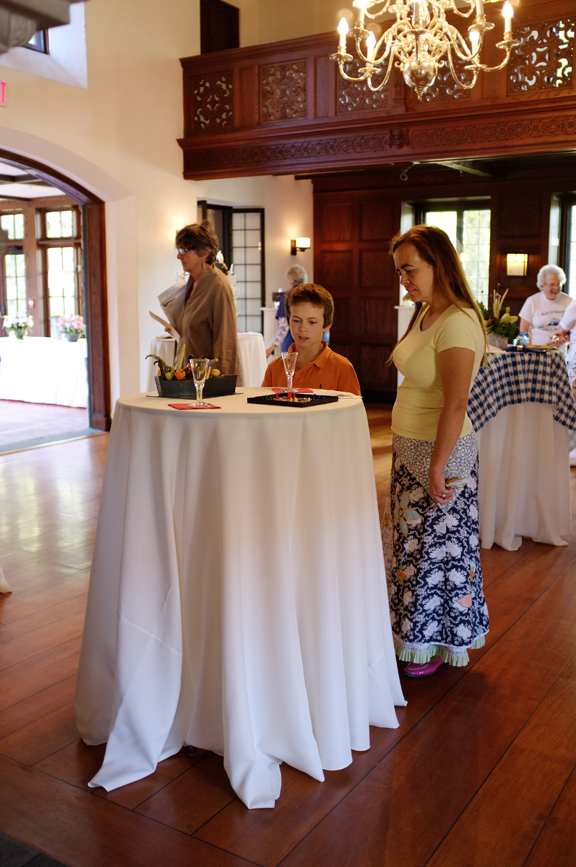
Many thanks to the staff at Willowdale–Emily, Lenna, Chef Joe, Dale, Sarah, Greg, and James– to name only a few of the hardworking crew that makes Willowdale sing. The new conservatory is exquisite and will allow Willowdale to host larger events throughout the four seasons. Stunning light was cast from the conservatory skylight, illuminating the exhibits beautifully.

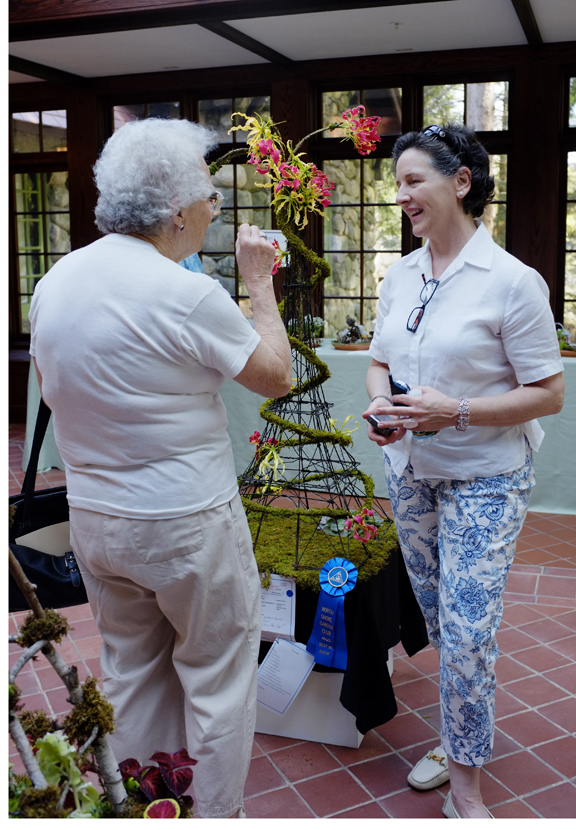
C'est la Vie! at Willowdale Estate 'Best in Show'“I Love Paris in the Springtime” ~ The Eiffel Tower wrapped in a swirl of Gloriosa lily ‘Fireworks’

Willowdale Estate North Shore Garden Club C'est la Vie

Willowdale Estate North Shore Garden Club C'est la Vie

Willowdale Estate North Shore Garden Club C'est la VieWillowdale Estate North Shore Garden Club C'est la Vie

Willowdale Estate North Shore Garden Club C'est la Vie

C’est la Vie!

Dear Gardening Friends, Think Spring! Come join the North Shore Garden Club for what promises to be a wonderful event. I will be there and available to answer questions about the butterfly garden. Hope to see you there! Warmest wishes, Kim

C'est la Vie North Shore Garden Club

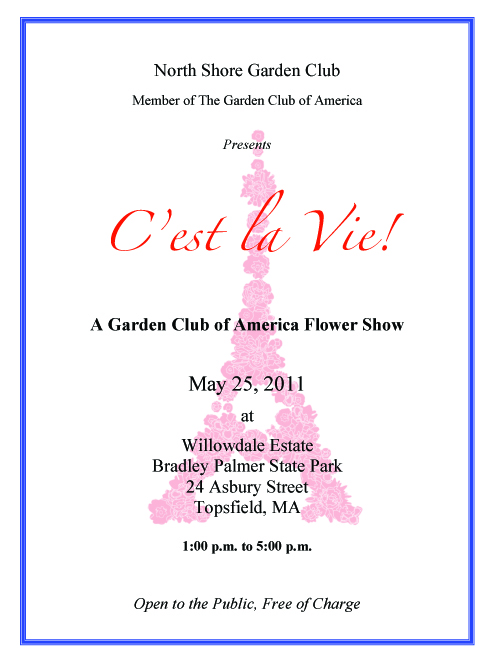
The North Shore Garden Club is hosting a beautiful exhibition of all things flowers, which will be held at historic Willowdale Estate in Topsfield, Massachusetts. The grounds are open to the public and the event includes classes in flower arranging, photography, and horticulture, and all is free.
The North Shore Garden Club (established in 1915) is a member of the Garden Club of America and was created for the purpose of stimulating interest in all aspects of gardening as well as to support civic beauty and conservation of natural resources.
Of note at Willowdale this past week…
Tulipomania at WillowdaleTulipomania at Willowdale
A sea of fabulously fragrant narcissus Fujifilm x100An intoxicatingly fragrant sea of narcissus
Magnolia virginiana bud Fujifilm x100Magnolia virginiana bud

Through the Garden Gate with Kim Smith

Dear Gardening Friends–What do think about this title for my tv show? Through the Garden Gate with Kim Smith

I am working with Lisa Smith over at Cape Ann TV and she is terrific. Lisa is teaching me Final Cut Pro. Extraordinary, don’t you think, that the same editing program used by major Hollywood film makers (Francis Ford Coppola, to name one giant in the industry) is available to any resident of Cape Ann to learn (for free!) at Cape Ann TV?

Additional candidates for the title:

Kim Smith’s American Gardener’s Journal

Welcome to the Wild Garden

Wild Gardening with Kim Smith

P.S. I am under strict orders not to mention by name who is the person singing Bizet’s La Chanson du Fou, uncovered in my itunes account. I am sure you can guess. Don’t you think the evocative layer of warmth and beauty added by her voice compliments perfectly the lush gardens and movement of the pollinators?


Save the date for C’est la Vie!

C’est la Vie! ~ Wednesday May 25th, 1:00 to 5:00

The North Shore Garden Club is hosting a beautiful exhibition of all things flowers, which will be held at historic Willowdale Estate in Topsfield, Massachusetts. The grounds are open to the public and the event includes classes in flower arranging, photography, and horticulture, and all is free.

Butterfly Courtyard at Willowdale EstateButterfly Courtyard at Willowdale Estate

The North Shore Garden Club (established in 1915) is a member of the Garden Club of America and was created for the purpose of stimulating interest in all aspects of gardening as well as to support civic beauty and conservation of natural resources.

Viridiflora Tulip 'Greenland' at Willowdale Estate.Viridiflora Tulip ‘Greenland’

Lavender and Cabbage White Butterfly at Willowdale EstateLavender and Cabbage White Butterfly

Iris versicolor at Willowdale EstateNative Iris versicolor

Pinkshell azalea and carpenter bee at Willowdale EstateNative Pinkshell Azalea and Golden Pollen-Dusted Carpenter Bee

Willowdale EstateSpringtime at Willowdale Estate


My Television Show

Dear Gardening Friends,

We are sending our most heartfelt thoughts and prayers to the Japanese people. Viewing the broadcasts reminds me that it was just over a year ago that the devastating earthquake struck Port au Prince. Can a person ever fully recover from such an event? The utter destruction of the tsunami is confounding, now coupled with threats of nuclear meltdown. My wish for the people of Japan and their nation is as speedy a recovery as is possible.

We are so very blessed living where we do. Perhaps I mentioned that I am developing a television series, which will air on our local cable television station, Cape Ann TV, as well as other cable stations. I believe it was early last summer that Donna Gacek, the director of Cape Ann TV, approached me about the possibility of creating a show based around my writings and butterfly photos. A tv show would be a magnificent medium to share about the joys of creating organic habitats designed for people and pollinators. We can visit gardens, fields, meadows, and wildlife sanctuaries–and connect how to translate habitat information found there to our own gardens, examine gardening trends, loves, and literature, conduct interviews, undertake how-to projects–the possibilities are limitless. I hope, too, for some room for spontaneity and fun–once I get a handle on the process. I knew what I was getting myself into and knew it would be enormously time consuming, which it is, however I am so pleased with our initial progress and thought I would bring you this trailer for the first episode as well as behind the scenes updates.

Instinctively it was clear that the first step in development would be to film and photograph as much as time would allow, especially as this past summer, gratefully so, was THE summer to photograph Lepidoptera–day after day of hot, dry, sunny weather–a butterfly, and a butterfly photographer’s, dream conditions The past few months have been spent organizing all photos and footage from this summer, as well as footage and photos from previous summers, into handy categories from which I can draw, while simultaneously writing the first script, and thinking about future scripts.

I chose the butterfly garden I designed at Willowdale to be my first subject for several reasons. I know the grounds and garden intimately; the Lepidoptera seen there are the same species seen all around the northshore, and throughout New England for that matter; the setting is undeniably gorgeous; over the past few years I have shot many photos there and some video footage; and because the garden is on occasion open to the public.

While writing the script I tried to imagine how the information would relate to, and be of interest to, a wide audience. Creating ‘wild gardens’ (by wild gardens I mean to say gardens that utilize native wild flowers that support wild life) is meant to be joyful and easy for everyone– for the millions as well as the millionaire! The next phase was to organize the video and still photos, loosely, around the script. Then, and this part was really new and challenging for me, came layering the narrated voice tracks and precisely synching it to the footage, and still retain existing ambient nature sounds audibly. Much tweaking was necessary. Have you ever wondered where your speaker is on your computer? It took me the longest time to locate mine (iMac)– a pinhead-sized hole in the center of the top, right above the camera lens–and they do not produce very good or usable quaility input sound. All the audio will have to be redone at the tv studio, however, it was time well spent as I was able to experiment and learn the basics on my own time.

The first production meeting with Donna went really well. The next phase will be to redo the audio tracks, under the guidance of the staff at the tv station, and continue to work on the next two episodes. In developing a series, it is suggested that you have at least three to begin with – getting all your ducks in order, so to speak. I am working furiously on all because spring and summer are my peak seasons for garden design work and for presenting lectures and programs.

So far, everything has fallen into place, from the gorgeous weather of last summer, to finding a beautiful recording for the into and outro, to working with Donna and the staff at CATV!

My mission for this wonderful project is to create as vibrantly beautiful, and as informative and interesting, a viewing experience as is possible. I am also very interested in working in collaboration with anyone who may have an interest.

Perhaps after reading the above you can help me decide the title of the show–so important to get it right! I love the title of my book Oh Garden of Fresh Possibilities! because there is no other like it. Perhaps I shall call it The Garden of Fresh Possibilities Show.

Some other candidates:

The American Gardener’s Journal

Through the Garden Gate

Garden for All Seasons

Welcome to the Wild Garden

Any comments, thoughts, or suggestions would greatly appreciated.

Happy Spring-is-around-the-Corner!

Warmest wishes,

Kim

Chrysanthemum ‘Emperor of China’ and Korean Daisies

Exquisite Flora in Autumn

Green leaves ignite, transformed by a kaleidoscope of incinerating colors—devil-red, burnt tangerine, caramelized amber, searing saffron, and smoldering crimson-purple. The air is impregnated with the aromatic perfume of orchard fruits ripening in the fleeting flush of the sun’s warm light. Hazy, slanting rays gild the late season glory in the garden. Surrounded by flowers of dissipating beauty and juxtaposed against the dazzling brilliance of autumn foliage, we are urged to spend every possible moment savoring our gardens before the onset of winter.

American Lady Nectaring at Korean Daisy

Blossoms thrown in autumn, as opposed to those of spring and summer, are perhaps the most keenly appreciated. Our rambling ‘Aloha’ rose embowering the front entryway abounds in blooms in June, flowering again and again throughout the summer. With a twinge of melancholy, I cherish most Aloha’s lingering remontant rose—inhaling deeply the sensuous fragrance when approaching or upon leaving our home, knowing all will be dormant in only a few short weeks. Manifold members of the composite family hold their flowers well into fall. Forming a substantial clump (four feet wide and equally as tall) is a passalong from a generous friend. From a few cuttings of this heirloom chrysanthemum (Chrysanthemum ‘Single Apricot Korean’), with apricot pink-tinted, daisy-like single flowers, we now have a patch of our own to share with friends. Arrayed with a single row of ray flowers encircling the nectar-rich cadmium yellow disk florets, the Korean daisy is host to sundry late on-the-wing pollinators, including butterflies, bees, and beetles. The form is loose and lovely; opposite in appearance to that of the ubiquitous blobs of mums commonly seen in autumn.

Chrysanthemum ‘Emperor of China’ begins its lovely tableau in mid-fall and continues to bloom through the first hard frost. Plum rose with silvery highlights, the quills shade paler toward the outer margins. When the plant is in full bloom, the rich green foliage shifts colors to vibrant hues of bronze and scarlet red. The ‘Emperor of China’ exudes a delicious lemon-spice fragrance noticeable from some distance.

As with asters, it is helpful to pinch the tips of each shoot to encourage branching and more blossoms. Repeat this process at each four- to six- inch stage of new growth until the middle of July, or when the buds begin to develop. ‘Emperor of China’ is hardy through zone six and thrives in full sun to light shade in well-drained soil. This cultivar forms a 2 and 1/2′ mound in only a few years. Give the plant a top dressing of compost and mulch after the first hard frost.

An ancient variety of chrysanthemum originating from China, the ‘Emperor of China’ resembles and is thought to be the chrysanthemum depicted in early Chinese paintings. Chrysanthemums are also grown for their medicinal properties, and their purported magic juices were an important ingredient in the life-prolonging elixir of the Daoist. Fragrant chrysanthemum tea was considered good for the health, and tonic wine was brewed from an infusion of their petals.

Chrysanthemum Tea

Chrysanthemum tea is a tisane made from dried chrysanthemum flowers. The flowers are steeped in boiling water for several minutes, and rock sugar or honey is often added to heighten the sweet aroma. Popular throughout East Asia, chrysanthemum tea is usually served with a meal. In the tradition of Chinese medicine, the tisane is a “cooling” herb and is recommended for a variety of ailments including influenza, circulatory disorders, sore throats, and fever.

Chrysanthemum ‘Emperor of China’

Although thought to be rich in healing properties and lovely in form, a more modest well-being was conferred by the vigorous blossoming of the chrysanthemum. Perhaps the late flowering chrysanthemum suggests their connection to a long life, for other plants have finished flowering just as the chrysanthemums begin.
The techniques for learning to paint the orchid, bamboo, plum blossom, and chrysanthemum comprise the basis of Chinese flower and bird painting. They are referred to as “The Four Gentlemen” and are thought to symbolize great intellectual ideas. The orchid is serene and peaceful, though sophisticated and reserved from the world. Bamboo is vigorous and survives throughout the seasons, forever growing upright. The plum blossom expresses yin-yang dualities of delicate and hardy, blooming through snow and ice to herald the arrival of spring. Chrysanthemums continue to flower after a frost, are self-sufficient, and require no assistance in propagating themselves.
China owes its astonishing wealth of plant life to a combination of geographical incidents. The mountains escaped the ravages of the great ice caps and unlike much of Europe and North America, where many plants were wiped out, plant species in China continued to evolve. Additionally, the foothills of the Himalayas are moistened by soft winds from the south, creating an ideal climate for alpine plants. In this warm and moderate environment three different floras– that of the colder, drier north; that of the sub-tropical south; and that of the alpine species—all mingled and crossed freely for thousands of years.

Ernest Wilson, one of the world’s greatest plant hunters, was not the first collector to explore this botanical paradise, but his determined efforts to push through to remote areas led him to the “richest temperate flora of the world.” From 1899 to 1911, Ernest “Chinese” Wilson sent the seeds of more than 1,500 different plants to the United States and England. Altogether his collection numbered 65,000 plants, representing about 5,000 species, all gathered from the wild. Through his exploration, and the work of the nurseries for which he collected, more than a thousand plants were established for Western cultivation. Despite the wealth of flora collected by Ernest Wilson and his fellow plant hunters, Chinese gardens remained wholly unaffected. Although shiploads of plants were sent to London, St. Petersburg, Paris, and Cambridge, Massachusetts, Chinese horticulturists continued to develop plants their ancestors had loved and that had long since been domesticated. The tradition of conferring qualities of morality to plants and plants’ allegorical to intellectual ideas made the newly collected wild plants unsuitable for the Chinese garden.

The love of flowers was and continues to be a passion among the Chinese. Trees and plants are genuinely loved as living creatures.

Enjoying flowers with tea is the best, enjoying them with conversation the second and enjoying them with wine the least. Feasts and all sorts of vulgar language are most deeply detested and resented by the spirit of the flowers. It is better to keep the mouth shut and sit  still than to offend the flowers. —from a Ming Dynasty treatise on flowers Walters Art Museum

The idea that flowers can be offended by bad manners reflects the belief that the world we inhabit is an organism in which all phenomena interrelate. By the same reasoning, someone who drinks tea from a peach-shaped pot will live longer (peaches symbolize longevity), and someone who dips his writing brush in a peony-shaped bowl will have good fortune, as the peony is a metaphor for success and wealth.

Several passages from above were excerpted from Oh Garden of Fresh Possibilities! (David R. Godine, Publisher).