Tag Archives: Queen Anne’s Lace

Beautiful Black Swallowtails!

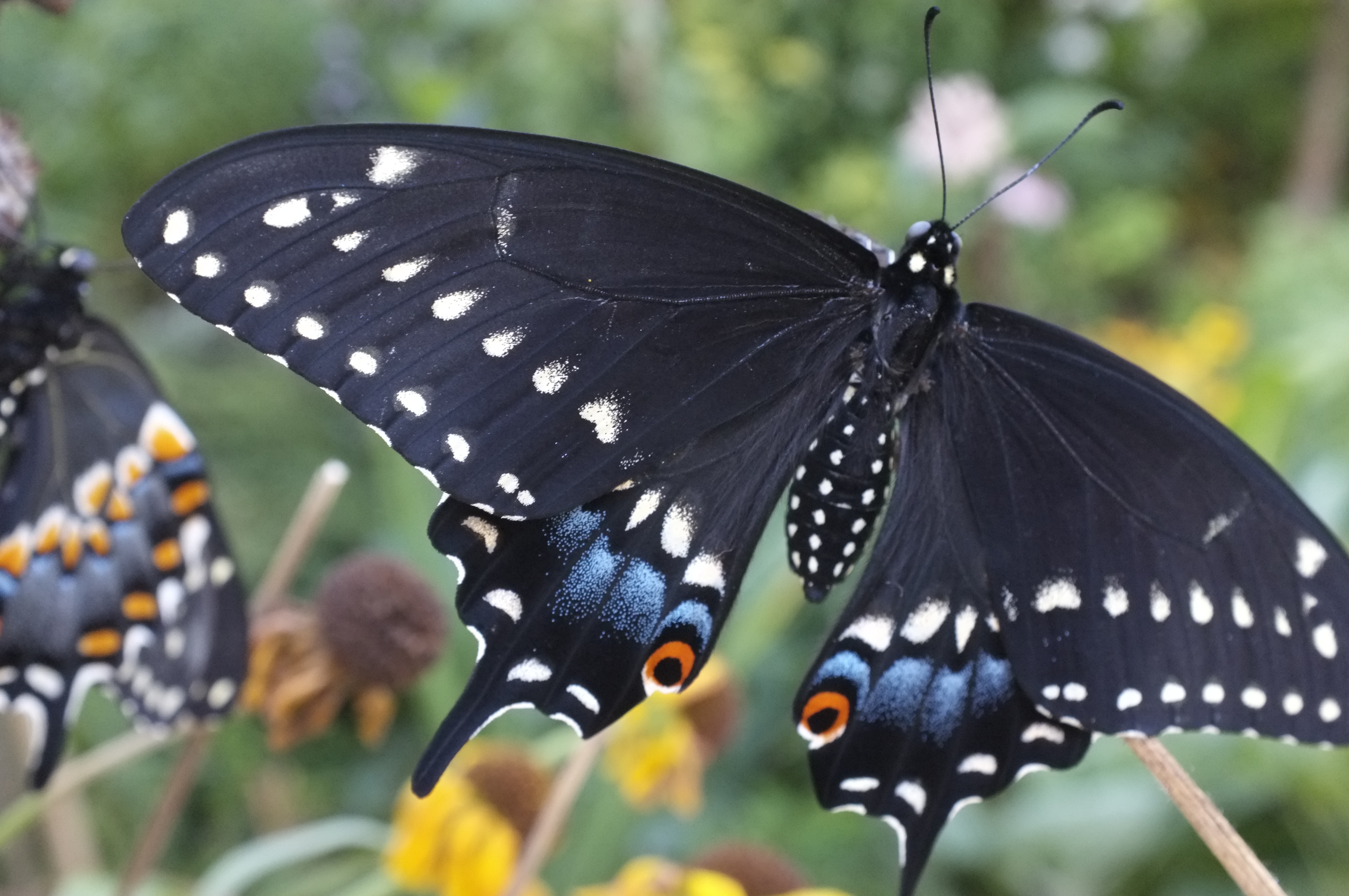
These newly emerged Black Swallowtail Butterflies in our garden are both females. You can easily see the difference between Black Swallowtail males and females.

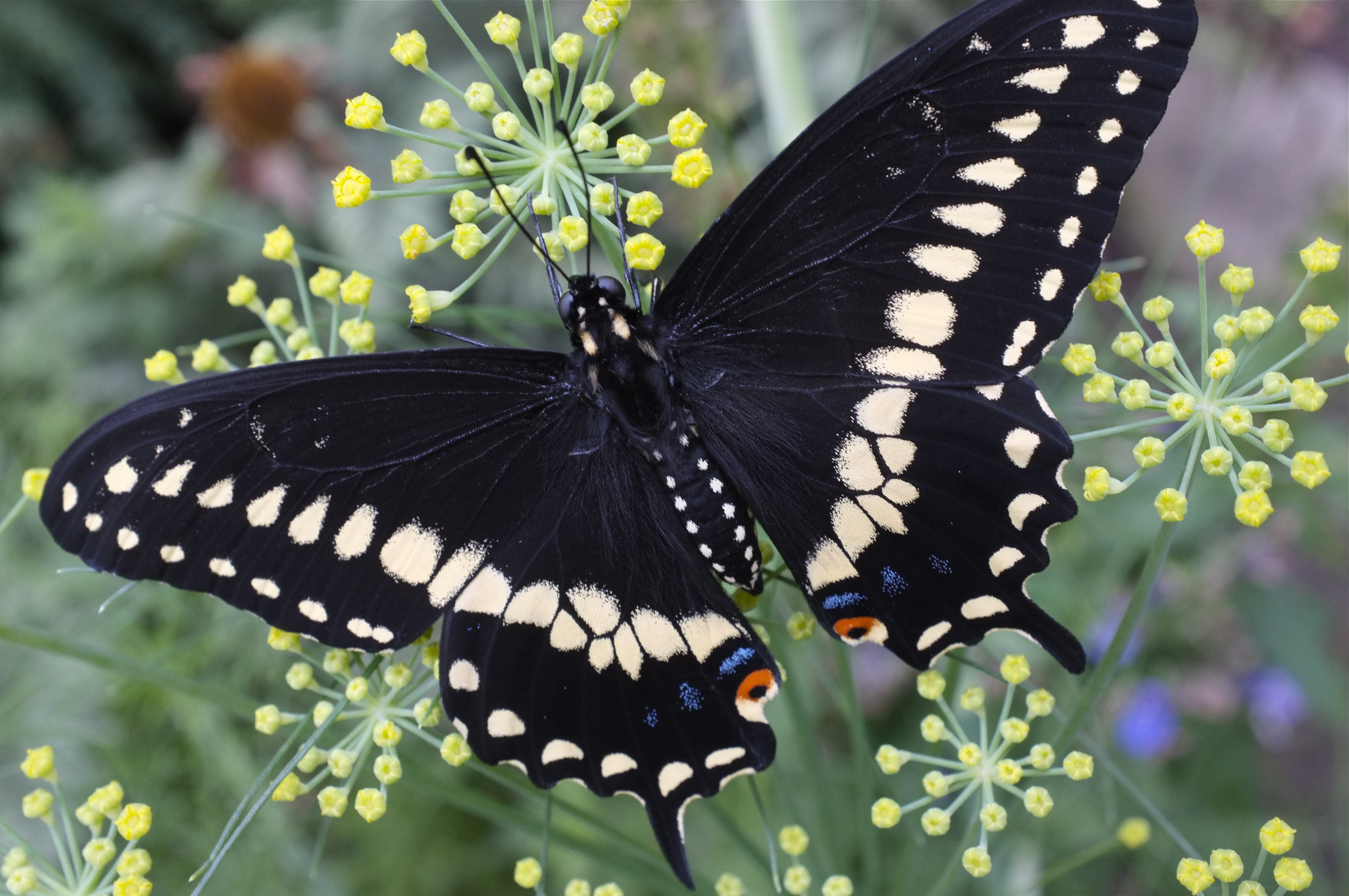
The females have a great deal more of the sparkly blue iridescent wing scales, while the males have many more yellow spots.


Female Black Swallowtails

Male Black Swallowtail

Charlotte discovered the caterpillars on fennel plants at Cedar Rock Gardens. Black Swallowtail females deposit their eggs on members of the Carrot Family including dill, fennel, parsley, Queen Anne’s Lace, and parsnips.

No, That is Not a Monarch Caterpillar on Your Fennel! And Happy Pollinator’s Week

Earlier in the week Charlotte and I stopped by Cedar Rock Gardens for their ongoing 25% off all plants sale. We paused near the fennel plants when Charlottes asked, “is that a Monarch caterpillar on the fennel?” A teeny, tiny yellow, green, and black caterpillar was tucked in, sleeping in the foliage. She found two more so we purchased all three plants. Little did she know, that question is similar to one of the most frequently viewed posts on my website “No, that is not a Monarch Caterpillar on Your Parsley Plant!”

Black Swallowtail caterpillar recently molted with discarded skin

Black Swallowtail (Papilio polyxenes) caterpillars, especially in their early instars, are easily mistaken for the yellow, white, and black caterpillars of the Monarch butterfly. Butterflies oviposit their eggs on specific plants to their specific species. These plants are called larval host plants, in other words, caterpillar food plants. Monarchs only deposit eggs on plants in the milkweed family ( Asclepiadoideae) while Black Swallowtail females only deposit eggs on members of the carrot family (Apiaceae). Plants in the carrot family include dill, parsley, fennel, carrots, parsnips, and Queen Anne’s Lace. In days gone by, the Black Swallowtail was commonly referred to as the Parsnip Butterfly.

You will never see a Monarch caterpillar on fennel or parsley. Conversely, you will never see a Black Swallowtail caterpillar on your milkweed plants 🙂

Yellow, white, and black striped Monarch Caterpillar on Common Milkweed (Asclepias syriaca)

Yellow, green, and black striped and dotted Black Swallowtail caterpillar on fennel plant

Cedar Rock Gardens is located at 299 Concord Street in West Gloucester. For more information, visit their website here.

Happy Summer Solstice and Happy Pollinators Week!

The Traveling Terrarium

On Tuesday morning, October 4th, I’ll be at the Corinthian Yacht Club in Marblehead to give my lecture on “The Pollinator Garden,” at 9:30am. I hope to see you there!

anderson-family-copyright-kim-smith

No, That is Not a Monarch Caterpillar on Your Carrot Plant

By far the most popular post on my website is titled “No, That is Not a Monarch Caterpillar on Your Parsley Plant.” It has been the most trafficked post for several years, if you can believe it, and here is why.

Last fall, almost exactly to the day, through my office window I heard the sound of sweet voices on our front porch, well after dark, and wondered what our neighborhood dog walkers were doing out so late. It wasn’t dog walkers, but our neighbor Sharon and her son Treely, wondering what to do with what they thought was a Monarch caterpillar they had found in their garden. I sent them on their way with one of our terrariums and instructions on how to care for their little Black Swallowtail caterpillar.

Treely’s Black Swallowtail caterpillar turned into a chrysalis (in other words, pupated), spent the winter in the terrarium in a sheltered spot outdoors, and then emerged right on schedule this past spring. The Dowds returned the terrarium as it was needed later in the summer for our Cecropia Moth caterpillars.

Imagine how sweetly funny to get a call from my friend Michelle, wondering what to do with their newly discovered Monarch caterpillar. My first question to Michelle was did she find the caterpillar on her milkweed? No, she reported, it was found on carrot foliage. Michelle and her children, Meadow and Atticus, along with friend Sabine, stopped by this afternoon to learn about how to take care of their tiny little Black Swallowtail caterpillar and I sent them on their way with the ‘traveling terrarium.’

If you find a caterpillar in your garden, the first clue to identifying is to see on what food plant they are munching. Caterpillars that are actively feeding are usually only found on their larval host plant(s), the plant they have developed a distinctive coevolutionary relationship with over millennia. For example, female Monarch butterfly caterpillars deposit their eggs only on members of the milkweed family. Black Swallowtail caterpillars eat the foliage only from plants in the carrot family, which includes carrots, parsley, dill, fennel, parsnips, and Queen Anne’s lace. You may have noticed if ever weeding Queen Anne’s lace that the root looks identical in shape to a carrot, only it is white.

Chances are, you will never find a Black Swallowtail caterpillar on you milkweed plants and conversely, you will never find a Monarch caterpillar on your carrot plant (or parsley, dill, or fennel).

I am excited to hear from Michelle and the kids how their little caterpillar is developing over the next few weeks!

Life Story of the Black Swallowtail Butterfly

Coming Soon: Life Story of the Black Swallowtail Butterfly tells the story of the ubiquitous and stunning Black Swallowtail butterfly.

Black Swallowtail Butterfly

My new documentary film captures the beauty and mystery of the Black Swallowtail, through all its life stages, and in it’s surrounding habitats. I think you will be amazed and captivated by this garden-variety and seemingly ordinary, extraordinary butterfly!

From Egg to Caterpillar to Chrysalis to Adult

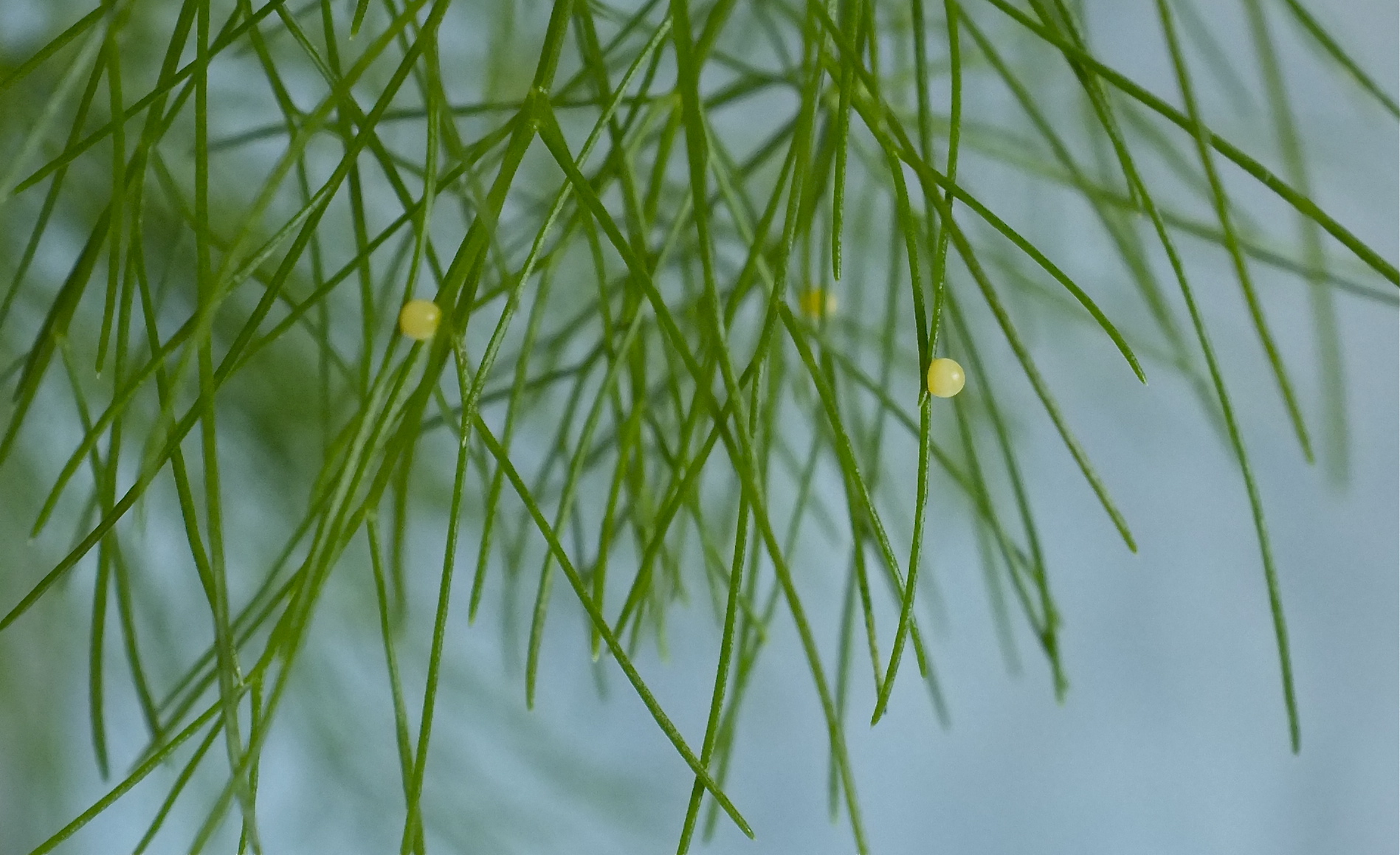
Black Swallowtail Eggs

 Black Swallowtail Caterpillar Everting Osmeterium

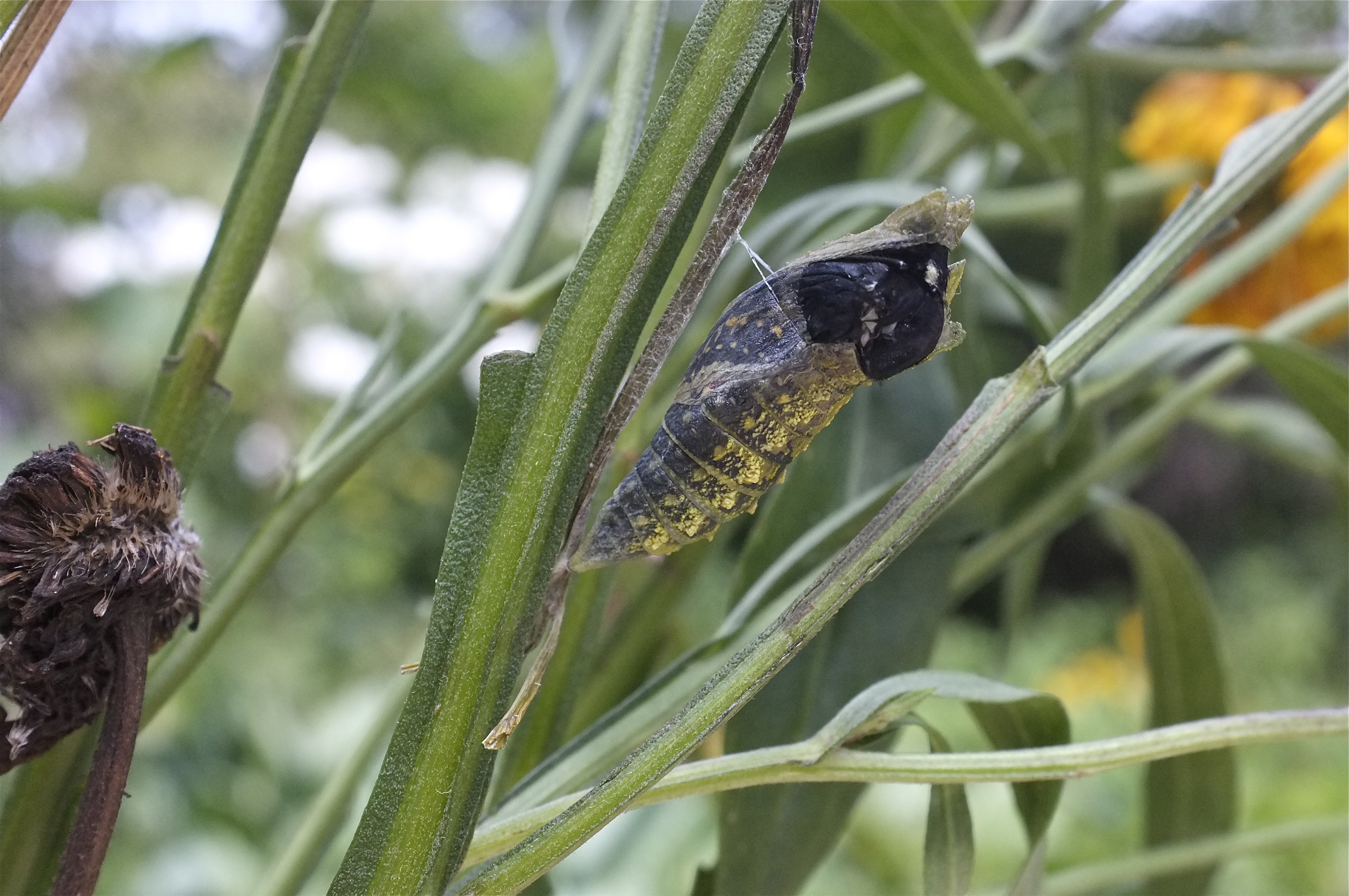
Black Swallowtail Emerging from Chrysalis

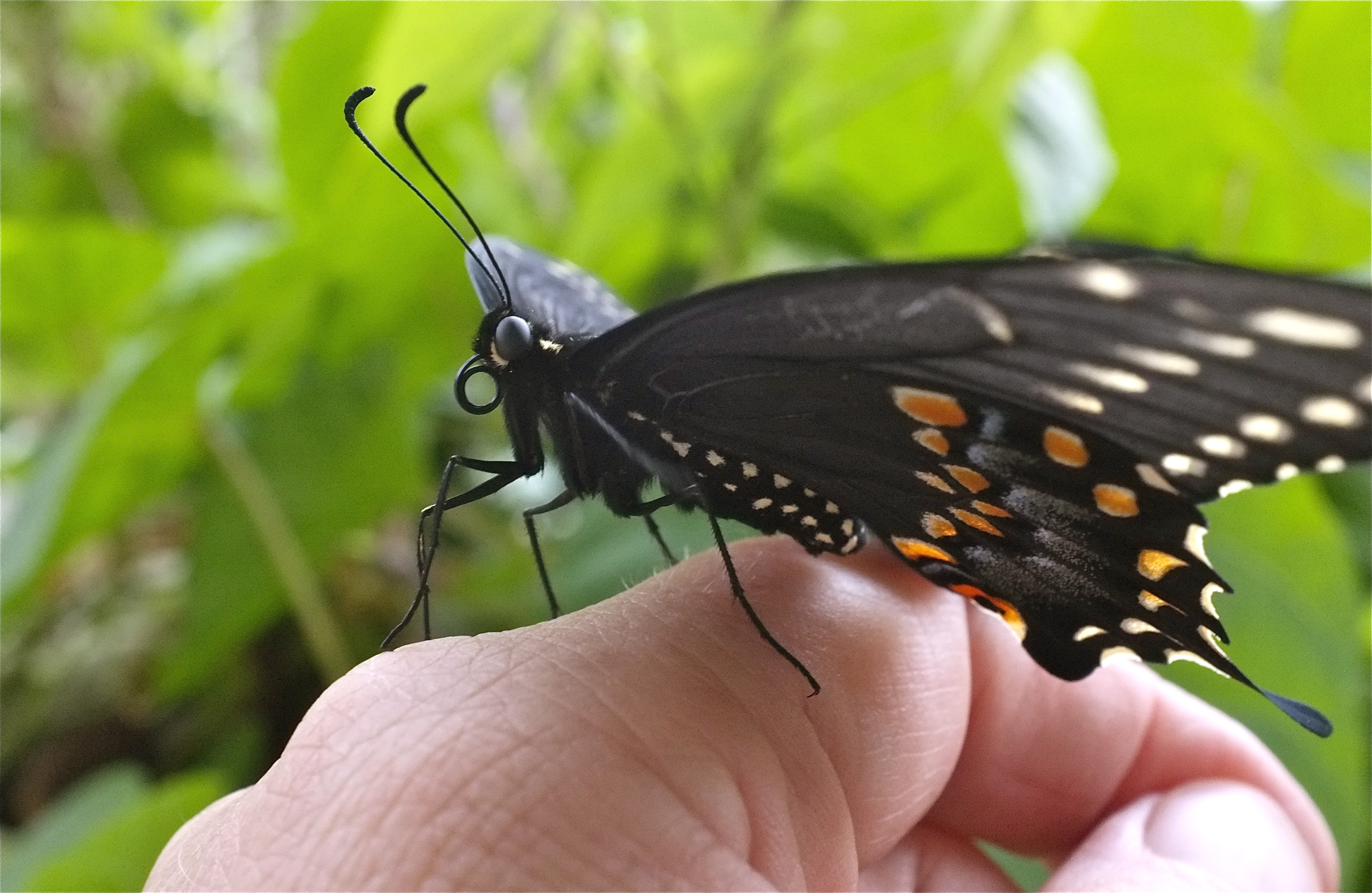
Newly Emerged Black Swallowtail Butterfly

Male Black Swallowtail Butterfly Nectaring at Fennel

Female Black Swallowtail Butterfly

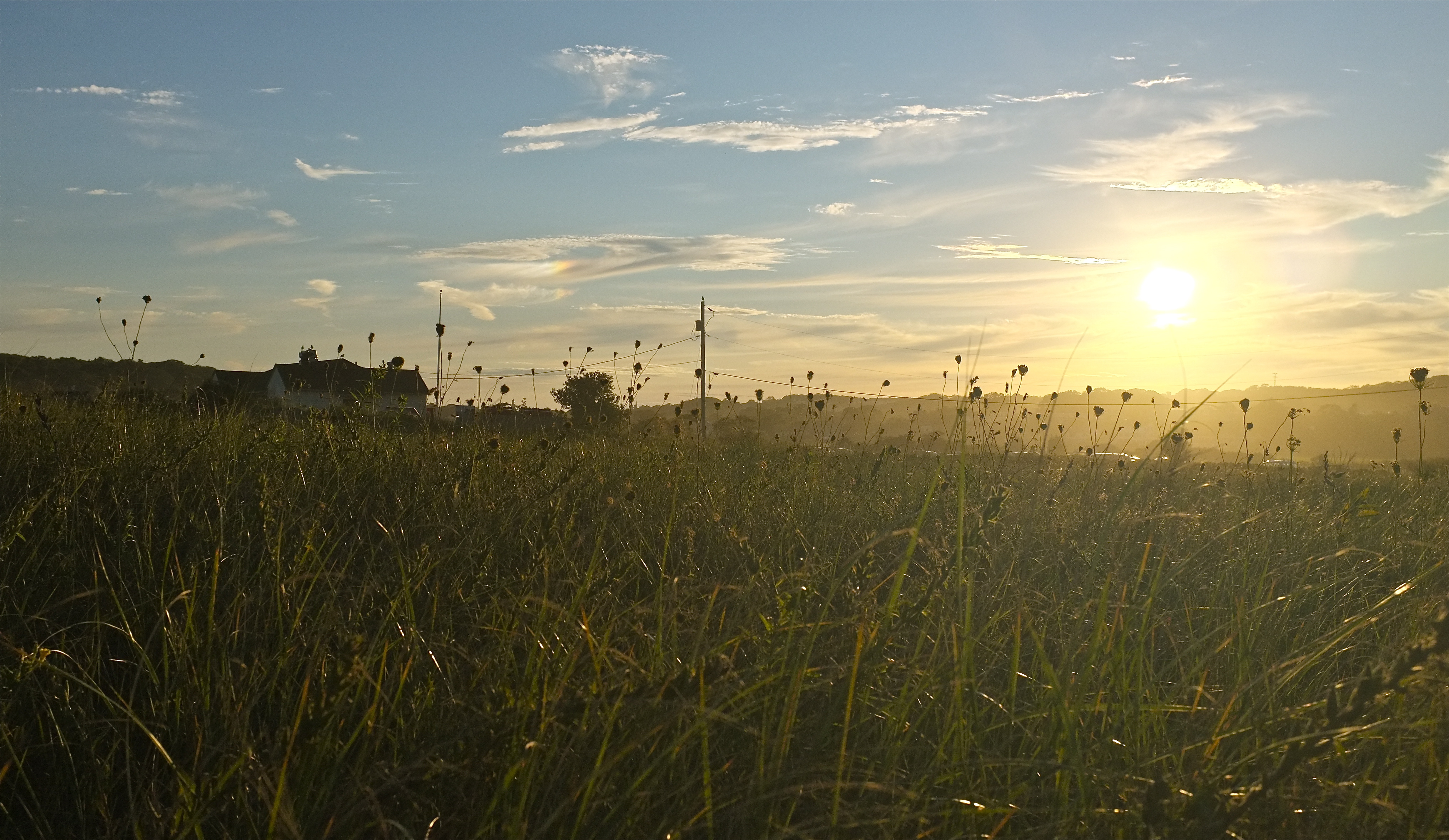
One of several preferred Black Swallowtail habitats—Gloucester’s sandy wildflower meadow at Good Harbor Beach. The milkweed provides nectar for swallowtails on the wing and Queen Anne’s Lace is a food plant of the Black Swallowtail caterpillars.